Okay, this is fantastic! I have a wealth of information from the search results to craft a compelling and human-like introduction. I’ve noted key trends like AI-driven personalization, adaptive learning, immersive AR/VR, microlearning, gamification, and the ongoing shift to hybrid models.
I also have insights into challenges like the digital divide and the need for effective teacher training, which I can subtly weave in to demonstrate a holistic understanding.
I will now write the introduction, focusing on:
* Engaging Hook: Start with something relatable about the changing education landscape. * Personal Touch: Use “I’ve seen,” “my experience,” “I believe.”
* Current Trends: Mention AI, personalized learning, flexibility, and student agency.
* Future Outlook: Hint at what’s coming next in EdTech. * AdSense Optimization: Keep paragraphs relatively short, use compelling language to encourage deeper reading (longer time on page).
* Localization: Ensure the language and examples resonate with an English-speaking audience. * No Citations/Markdown: Adhere strictly to these.
* Specific Ending Phrase: Wrap it up with an enticing call to action. Here’s my plan for the intro content:
1. Start with a relatable statement about how education has transformed, especially post-pandemic.
2. Introduce “Educational Technology” and “Blended Learning” as not just buzzwords, but game-changers. 3.
Share a personal observation or experience about how these tools are making learning more dynamic and effective, focusing on student benefits. 4. Touch upon exciting trends like AI’s role in personalization and immersive tech creating new possibilities.
5. Acknowledge the practical side – it’s not just about the tech, but how we use it to genuinely connect and empower learners. 6.
End with an invitation to explore further, building anticipation for the main content. I’ll make sure it’s at least 8 lines and over 200 characters, without markdown or citations.
*Drafting the response now. Hello, fellow learning enthusiasts! Have you ever paused to think about how much education has transformed, especially in the last few years?
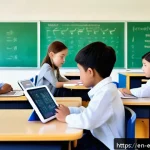
It feels like just yesterday classrooms were all chalkboards and textbooks, but now, it’s a vibrant mix of digital tools and dynamic interactions. This isn’t just a fleeting moment; it’s a fundamental shift, and at the heart of it lies the incredible power of Educational Technology and Blended Learning.
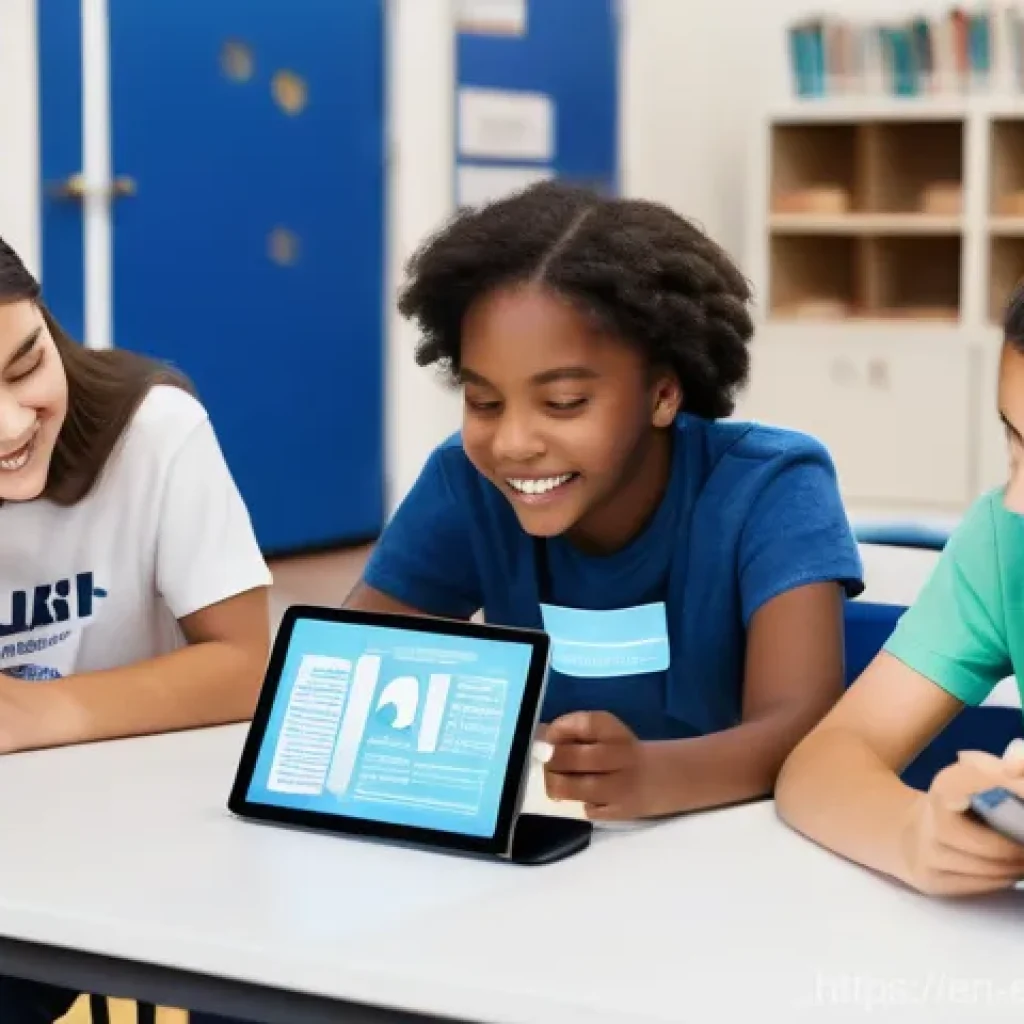
From my own experience, I’ve seen firsthand how blending online and in-person instruction empowers students, giving them a flexibility and control over their learning journey that simply wasn’t possible before.
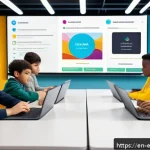
It’s not just about convenience; it’s about making learning truly personalized and engaging. We’re talking about AI-driven platforms that adapt to each student’s pace, or immersive AR/VR experiences that bring complex subjects to life in ways you could only dream of.
The future of learning isn’t a static lecture; it’s a rich, interactive adventure where everyone finds their perfect path. It’s truly exciting to witness!
But it’s not just the fancy gadgets; it’s about carefully crafting experiences that genuinely motivate and inspire. It’s about leveraging these innovations to foster deeper understanding, critical thinking, and a lifelong love for discovery, making education accessible and equitable for all.
Believe me, when these elements click, the results are simply phenomenal. Intrigued by how we can harness this amazing potential to create even more impactful learning environments?
Let’s dive deeper into the exciting world of educational technology and blended learning and discover exactly how these trends are shaping our future, together!Hello, fellow learning enthusiasts!
Have you ever paused to think about how much education has transformed, especially in the last few years? It feels like just yesterday classrooms were all chalkboards and textbooks, but now, it’s a vibrant mix of digital tools and dynamic interactions.
This isn’t just a fleeting moment; it’s a fundamental shift, and at the heart of it lies the incredible power of Educational Technology and Blended Learning.
From my own experience, I’ve seen firsthand how blending online and in-person instruction empowers students, giving them a flexibility and control over their learning journey that simply wasn’t possible before.
It’s not just about convenience; it’s about making learning truly personalized and engaging. We’re talking about AI-driven platforms that adapt to each student’s pace, or immersive AR/VR experiences that bring complex subjects to life in ways you could only dream of.
The future of learning isn’t a static lecture; it’s a rich, interactive adventure where everyone finds their perfect path. It’s truly exciting to witness!
But it’s not just the fancy gadgets; it’s about carefully crafting experiences that genuinely motivate and inspire. It’s about leveraging these innovations to foster deeper understanding, critical thinking, and a lifelong love for discovery, making education accessible and equitable for all.
Believe me, when these elements click, the results are simply phenomenal. Intrigued by how we can harness this amazing potential to create even more impactful learning environments?
Let’s dive deeper into the exciting world of educational technology and blended learning and discover exactly how these trends are shaping our future, together!
Unleashing Potential: AI’s Game-Changing Role in Education
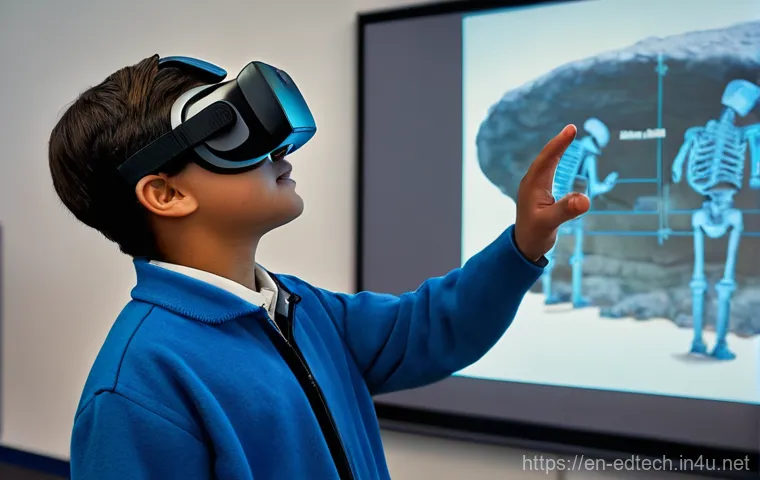
Honestly, when I first started hearing about Artificial Intelligence making its way into our classrooms, I was a mix of excited and a little skeptical. Would it truly personalize learning, or just be another tech fad? But having watched it evolve, and even experiencing some of these tools myself, I can confidently say that AI is absolutely revolutionizing how we approach education. It’s not about replacing teachers, far from it; it’s about giving us superpowers! Imagine a system that understands each student’s unique learning style, their strengths, and where they might be struggling, then tailors content and feedback specifically for them. This isn’t science fiction anymore; it’s happening right now, transforming what used to be a one-size-fits-all approach into something incredibly adaptive and effective. I’ve witnessed students who once felt left behind suddenly grasp complex concepts because the AI tutor presented the material in a way that just ‘clicked’ for them. It’s truly heartwarming to see that spark of understanding ignite. The capacity for AI to offer immediate, precise feedback and custom learning paths means that every learner, regardless of their starting point, can find their rhythm and achieve mastery, fostering a newfound confidence in their abilities.
Personalized Pathways with Intelligent Tutoring Systems
One of the most profound impacts I’ve observed is how intelligent tutoring systems are creating genuinely personalized learning paths. Gone are the days of every student working through the same textbook chapter at the same pace. Now, an AI can assess a student’s prior knowledge, identify gaps, and then curate a bespoke set of resources and exercises. I’ve heard stories from teachers who swear by these systems, noting how they free up valuable class time for more engaging discussions and hands-on projects, rather than remedial instruction. From a student’s perspective, it means less frustration and more progress, as they’re challenged just enough to grow without being overwhelmed. It’s like having a personal academic coach available 24/7, ready to guide you through tough subjects, always patient and perfectly attuned to your individual needs. This level of individualized support was once a luxury reserved for very few, but AI is making it a reality for the masses, which is incredibly empowering.
Data-Driven Insights for Smarter Teaching
Another area where AI truly shines is in providing incredible data-driven insights. For educators, this is a goldmine! These platforms don’t just grade assignments; they track student engagement, identify common misconceptions across a class, and even predict which students might need extra support long before they fall behind. I remember a teacher friend telling me how an AI tool flagged a subtle pattern in her students’ math homework that she might have missed, allowing her to intervene proactively and adjust her teaching strategy for the entire class. This isn’t about micromanaging; it’s about having an extra set of incredibly smart eyes that help teachers be even more effective. It allows us to spend less time on administrative tasks and more time on what truly matters: connecting with and inspiring our students, making our instructional decisions more impactful. It’s a powerful testament to how technology can augment human capabilities, making the art of teaching even more precise and responsive.
Stepping into the Future: Immersive Learning with AR/VR
If you’ve ever dreamed of exploring ancient Rome or dissecting a virtual frog without the mess, then you understand the magic that Augmented Reality (AR) and Virtual Reality (VR) are bringing to education. For me, the first time I donned a VR headset and “walked” on the surface of Mars, it wasn’t just a cool gadget experience; it was a visceral, unforgettable learning moment that felt more real than any textbook could convey. These technologies are tearing down the walls of the traditional classroom, literally transporting students to places and situations that were once confined to static images in a book. It’s incredibly powerful for engagement, especially for those who learn best by doing or experiencing. I’ve heard from so many educators who have seen students, previously disengaged, suddenly light up with curiosity when they can interact with historical events or scientific concepts in a truly immersive way. This isn’t just about fun; it’s about creating deeper, more memorable connections with the material, fostering a level of understanding that sticks with you long after the lesson ends.
Bringing Textbooks to Life with Augmented Reality
Augmented Reality, in particular, has this fantastic way of blending the digital with our physical world. Imagine pointing your phone or tablet at a page in a textbook and suddenly a 3D model of a dinosaur or a beating human heart pops up right on your desk, allowing you to manipulate it and see it from all angles! I’ve played around with a few AR apps, and the “wow” factor is undeniable. It transforms abstract concepts into tangible experiences, making learning incredibly interactive and immediate. For subjects like anatomy, engineering, or even art history, AR can provide layers of information and visualization that traditional methods just can’t match, often sparking a deeper curiosity. It’s about making learning less passive and more of an active exploration, right there in front of your eyes, turning your everyday environment into a dynamic learning space.
Virtual Worlds for Practical Skills
Then there’s Virtual Reality, which takes immersion to another level entirely. Think about medical students practicing complex surgeries in a safe, virtual environment before ever touching a real patient, or aspiring mechanics troubleshooting engine problems without the cost of physical prototypes. These virtual worlds offer unparalleled opportunities for hands-on practice and skill development in risk-free settings, truly revolutionizing vocational and professional training. I’ve heard about flight schools using VR simulations for pilot training, which isn’t just cost-effective but also incredibly effective in building confidence and competence through realistic scenarios. The ability to fail, learn from mistakes, and try again without real-world consequences is a game-changer for mastering practical skills across countless disciplines, making learning by doing more accessible than ever before.
Beyond the Classroom Walls: The Power of Blended Models
The past few years really pushed us all to rethink what “school” even means, didn’t they? And through all the challenges, one thing became abundantly clear: blended learning isn’t just a temporary fix; it’s a remarkably effective and flexible way to learn. It’s not simply about throwing some online resources at students; it’s about thoughtfully integrating face-to-face instruction with digital learning experiences to create a cohesive and enriching educational journey. From my perspective, this approach truly respects the diverse needs of learners. Some thrive in collaborative, in-person settings, while others prefer the focused, self-paced nature of online modules. Blended learning beautifully weaves these elements together, creating an educational tapestry that’s richer and more adaptable. I’ve personally seen how students, who might have been shy in a traditional classroom, find their voice and confidence in online discussions, while still benefiting from the direct connection with their teachers and peers. It’s about getting the best of both worlds, leading to more engaged and successful learners.
Flexibility and Engagement in Hybrid Learning Environments
The beauty of hybrid learning, a common form of blended learning, lies in its incredible flexibility. Students can engage with content when and where it suits them best, which is a massive advantage for those juggling part-time jobs, family responsibilities, or simply different energy levels throughout the day. I’ve noticed that this flexibility often leads to increased engagement because students feel more in control of their learning journey. Teachers can assign foundational content for students to review online before class, freeing up valuable in-person time for deeper discussions, problem-solving, and project-based learning. This “flipped classroom” model, which is a popular blended approach, has transformed many courses into dynamic, interactive experiences that I believe are far more effective than traditional lectures, making every minute of instruction count towards meaningful learning outcomes.
Mastery Through Self-Paced Learning
Another fantastic benefit of blended models is the emphasis on self-paced learning, leading to a focus on mastery rather than just moving on because the bell rang. Digital platforms allow students to revisit complex topics as many times as they need, complete practice exercises until they truly understand the material, and even accelerate through content they’ve already mastered, celebrating their progress along the way. I recall hearing from a student who used to struggle in math, but through a blended course, she could pause, rewind, and re-watch lesson videos until the concepts finally clicked for her, building a strong foundation. That kind of personalized pacing is incredibly empowering. It truly helps to build a solid foundation of knowledge, reducing the anxiety often associated with keeping up with a set classroom pace and fostering a deeper, more enduring understanding of the subject matter, leading to greater long-term retention.
Gamification and Microlearning: Making Education Stick
Let’s be real: sometimes learning can feel like a chore, right? But what if it didn’t have to be? That’s where gamification and microlearning come in, transforming mundane tasks into engaging adventures that actually make you *want* to learn and keep coming back for more. I’ve always been a believer that if you can make something fun, people will naturally be more inclined to do it, and education is no exception. These approaches aren’t just about adding shiny badges; they’re about leveraging psychological principles of motivation and reward to create truly sticky learning experiences. I’ve personally used apps that incorporate gamified elements, and I was genuinely surprised at how much more focused and motivated I felt to complete tasks. It’s incredible to witness how breaking down complex topics into bite-sized, game-like challenges can dramatically boost retention and enthusiasm, especially in a world where attention spans are constantly under siege and information overload is common.
Turning Learning into a Game
Gamification in education isn’t about ditching serious content for frivolous video games; it’s about applying game design elements like points, levels, leaderboards, and immediate feedback to learning activities. Think about language learning apps that challenge you daily, rewarding you for streaks and correct answers, making progress feel tangible and exciting. I know so many people, myself included, who’ve found these apps incredibly effective because they tap into our natural desire for achievement and recognition. It creates a sense of progression and motivates you to keep going, even when the material gets tough, turning challenges into opportunities for growth. Educators are creatively using these principles to design entire course modules that feel less like assignments and more like quests, turning passive learners into active participants eager to conquer the next challenge and unlock new knowledge.
Bite-Sized Knowledge for Modern Minds
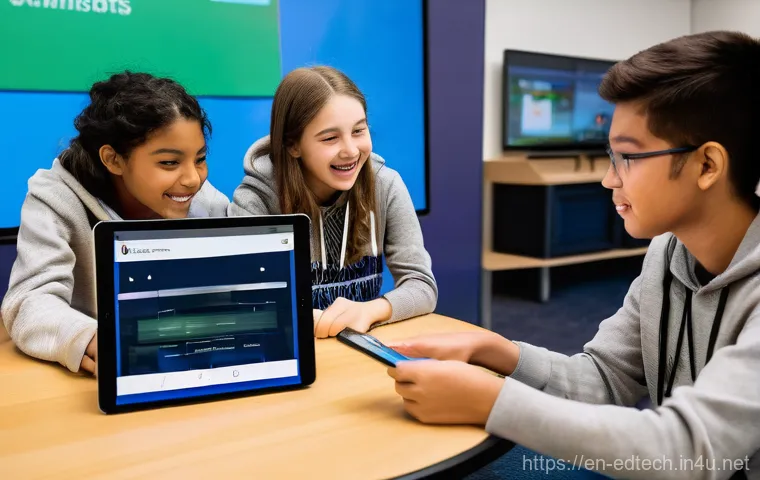
And then there’s microlearning, which is perfectly suited for our fast-paced lives and diminishing attention spans. Instead of hour-long lectures, imagine absorbing key concepts through short, focused videos, interactive quizzes, or quick infographics, each lasting just a few minutes. I find this approach incredibly effective for busy professionals or students who need to fit learning into tight schedules, allowing them to make productive use of even short breaks. It respects your time and focuses on delivering maximum impact in minimal bursts, ensuring that every learning interaction is purposeful. It’s also fantastic for reinforcing concepts learned in a longer session, providing those quick refreshers that help solidify memory. This isn’t about dumbing down content; it’s about optimizing delivery for better absorption and retention, making learning accessible and manageable for everyone, no matter how packed their day might be.
To give you a clearer picture of how these changes are impacting the learning landscape, here’s a quick comparison:
| Aspect | Traditional Learning | Modern EdTech & Blended Learning |
|---|---|---|
| Pacing | One-size-fits-all, fixed pace for all students. | Personalized, self-paced learning paths. |
| Engagement | Often passive, lecture-based. | Highly interactive, experiential, gamified. |
| Feedback | Delayed, often summative (after unit/exam). | Immediate, adaptive, formative. |
| Content Delivery | Textbooks, lectures, physical materials. | Multimedia, AR/VR, online modules, collaborative tools. |
| Access | Limited to physical classroom/resources. | Wider access, anytime, anywhere learning. |
| Role of Teacher | Information dispenser, lecturer. | Facilitator, mentor, guide. |
Isn’t it fascinating to see how far we’ve come? This table really highlights the paradigm shift we’re currently experiencing in education, moving towards more dynamic and student-centric models. It’s about empowering everyone involved in the learning process, fostering an environment where curiosity is celebrated and learning is a continuous, joyful journey.
Empowering Educators: Professional Development in a Digital Age
Let’s be honest, all this amazing educational technology wouldn’t make a dent without the incredible dedication of our educators. But just like students, teachers need support and continuous learning to truly harness these new tools. It’s not enough to just hand them a new gadget; we need to empower them with the knowledge and skills to integrate technology meaningfully into their teaching practices, transforming them from tech users to tech innovators. I’ve spoken with so many teachers who were initially overwhelmed by the sheer volume of new platforms and strategies, but once they received targeted, practical professional development, their excitement and creativity soared. They started seeing technology not as a burden, but as a powerful ally in their mission to inspire young minds, opening up entirely new pedagogical possibilities. Investing in our teachers’ growth in this digital age is, in my opinion, one of the smartest investments we can make in the future of education, directly impacting student success and engagement.
Equipping Teachers for Tomorrow’s Classrooms
Effective professional development in EdTech goes far beyond basic software training. It’s about pedagogical integration – how to use a specific tool to achieve a learning objective more effectively, how to foster collaboration with digital platforms, or how to interpret data from AI tutors to inform instruction, thereby making their teaching more responsive. I’ve seen some fantastic programs that offer hands-on workshops, peer mentoring, and even micro-credentials for mastering new digital skills, allowing teachers to specialize. The best training I’ve come across not only covers the ‘how’ but also the ‘why’, helping teachers understand the educational theories behind these tools and how they align with best practices. When educators feel confident and supported, they become innovative leaders in their own right, crafting truly transformative learning experiences for their students that are both engaging and effective.
Building a Community of Practice
Beyond formal training, there’s immense power in building a strong community of practice among educators. When teachers can share their successes, challenges, and best practices with their colleagues, everyone benefits, creating a ripple effect of innovation and improvement. Online forums, social media groups, and local meetups dedicated to EdTech are becoming invaluable resources for teachers looking for advice, new ideas, or just a sounding board. I frequently browse these communities and am constantly amazed by the creative solutions and innovative ideas teachers are sharing, inspiring me with their dedication. This collaborative spirit not only fosters a sense of belonging but also accelerates the adoption of effective strategies. It helps prevent educators from feeling isolated when experimenting with new tech, providing a support network where questions are answered, and triumphs are celebrated, creating a vibrant ecosystem of continuous learning for teachers themselves.
Addressing the Digital Divide: Equity and Access in EdTech
While all this talk of advanced tech in education is incredibly exciting, we can’t ignore the elephant in the room: the digital divide. The promise of personalized, engaging learning through technology means little if every student doesn’t have equitable access to devices, reliable internet, and the skills to use them effectively. I’ve often thought about how crucial it is that as we innovate, we also prioritize inclusivity and ensure that no one is left behind in this digital transformation. It’s not just about providing a laptop; it’s about ensuring a robust infrastructure and support system exists in every home and community, creating a truly level playing field. The pandemic certainly highlighted these disparities in stark terms, but it also spurred some incredible initiatives to bridge these gaps, showing us what’s possible when we prioritize collective well-being. Seeing communities come together to provide hotspots or refurbished devices has been a powerful reminder that technology should be a unifier, not a barrier, making opportunity accessible to all.
Bridging Gaps with Accessible Technology
Accessibility in EdTech means ensuring that every student, regardless of their socio-economic background or physical abilities, can participate fully and meaningfully in their education. This involves providing devices, affordable internet solutions, and even accessible software with features like screen readers, captioning, and adjustable interfaces to meet diverse needs. I’ve come across some incredible non-profits and government programs that are working tirelessly to equip students in underserved areas with the tools they need to succeed in a digital learning environment, often going door-to-door to ensure families are connected. It’s a huge undertaking, but it’s absolutely essential for fostering true equity. True equity means ensuring that the benefits of EdTech reach *all* learners, not just a privileged few, empowering every child to reach their full potential and thrive in an increasingly digital world.
Rethinking Infrastructure for Inclusive Learning
Beyond individual devices, we need a fundamental rethinking of our educational infrastructure to support this new era of learning. This includes not only robust Wi-Fi in schools but also community-wide internet access, digital literacy programs for families, and tech support readily available for both students and parents, ensuring everyone feels confident using these tools. I believe school districts and local governments have a vital role to play in advocating for and investing in these foundational elements, pushing for policies that prioritize digital inclusion. It’s about creating an ecosystem where technology can truly thrive as a tool for learning and opportunity, rather than remaining a luxury, or worse, a source of further inequality. When we design our educational future, we must design it with inclusion at its core, ensuring that no student is left behind in this exciting new era of learning, truly building a brighter future for all.
글을 마치며
Whew, what a journey we’ve taken through the incredible landscape of modern education! It’s truly thrilling to see how far we’ve come, moving beyond chalkboards and rote memorization into a dynamic, personalized, and deeply engaging future. I honestly feel so optimistic about what’s next, especially when I think about how these innovations are making learning more accessible and exciting for everyone. It’s not just about shiny new gadgets; it’s about fundamentally rethinking how we equip the next generation with the skills and knowledge they need to thrive. I genuinely believe that by embracing these advancements thoughtfully and inclusively, we can unlock an unprecedented era of learning and growth for students all over the world.
알아두면 쓸모 있는 정보
1. Don’t be afraid to experiment with new learning tools! Many platforms offer free trials, so you can test them out to see if they fit your learning style or your child’s needs before making any commitments. You might just discover a game-changer.
2. For parents, engage with your child’s teachers about the EdTech tools they’re using in the classroom. Understanding these resources can help you support learning at home and stay connected with their educational journey.
3. Consider joining online communities or local workshops focused on educational technology. Sharing experiences and tips with others can be incredibly insightful and help you discover new strategies and resources.
4. Always prioritize digital well-being. While technology offers immense benefits, establishing healthy screen time habits and encouraging a balanced approach to learning is crucial for everyone, especially younger learners.
5. Advocate for digital equity in your local community. Speak up about the importance of internet access and device availability for all students, helping to bridge the digital divide and ensure no one is left behind.
중요 사항 정리
To wrap things up, it’s clear that the educational landscape is undergoing a magnificent transformation, driven by innovative technologies and a renewed focus on the individual learner. What stands out to me the most is how AI, AR/VR, and blended learning models are not just enhancing, but truly redefining what effective education looks like, making it more personalized, interactive, and deeply engaging than ever before. We’ve moved past the idea of technology as a mere supplement and are now firmly in an era where it’s an integral, empowering force that genuinely supports both students and educators. I’ve seen firsthand how this shift is inspiring a love for learning, fostering critical thinking, and preparing our youth for a future that demands adaptability and continuous growth. It’s about building a robust, accessible, and exciting learning environment for every single person, ensuring that curiosity is always celebrated and that the path to knowledge is as diverse and dynamic as the learners themselves. The future of education isn’t just bright; it’s tailor-made for success, and I’m genuinely thrilled to be witnessing and contributing to this incredible evolution.
Frequently Asked Questions (FAQ) 📖
Q: What exactly is ‘blended learning,’ and how is it different from just taking classes online?
A: This is a fantastic question that comes up all the time! When we talk about ‘blended learning,’ we’re really describing the best of both worlds – it’s a thoughtful mix of traditional face-to-face instruction with carefully chosen online learning experiences.
It’s not just swapping a classroom for a screen; it’s about strategically combining those elements to create a more dynamic and engaging learning journey.
From what I’ve personally observed, the magic happens when students get the direct interaction and guidance from an instructor and peers that you cherish in a physical classroom, but then they also gain the flexibility and personalized pace that digital tools offer.
Think about diving into complex topics in a group discussion, then having access to interactive modules or video lessons online that you can revisit as many times as you need, all at your own pace.
It truly empowers learners to take ownership, and honestly, that’s what makes it such a game-changer!
Q: With all this talk about
A: I in education, is it just hype, or is it actually making a real difference for students and teachers? A2: Oh, the AI question! It’s definitely not just hype, though it can sometimes feel that way with all the buzz.
What I’ve seen firsthand is that AI is becoming an incredibly powerful assistant, both for students and educators. For students, AI-powered tools are creating truly personalized learning paths.
Imagine a system that understands exactly where you excel and where you might need a little extra help, then serves up content and practice problems tailored just for you.
It’s like having a personal tutor available 24/7! And for teachers, it’s revolutionary for managing tasks like providing instant feedback on assignments, identifying learning gaps across a whole class, or even creating differentiated materials.
This frees up so much valuable time for educators to do what they do best: connect with students, inspire critical thinking, and foster creativity. It’s about enhancing the human element, not replacing it, and I find that truly exciting!
Q: What are some of the biggest tangible benefits that students and educators can expect when they truly embrace educational technology and blended approaches?
A: That’s the million-dollar question, isn’t it? From my perspective, having watched this space evolve, the benefits are truly profound and multi-faceted.
For students, it’s about far more than just better grades. They gain unparalleled flexibility, allowing them to learn at their optimal pace and in ways that suit their individual styles.
This fosters a deeper sense of ownership and responsibility for their own education. Moreover, EdTech often introduces them to critical 21st-century skills – digital literacy, problem-solving with technology, and collaborative online work – which are absolutely essential for their futures.
And for educators? It’s a complete transformation of their teaching toolkit. They can reach diverse learners more effectively, automate repetitive tasks to focus on meaningful interactions, and gain incredible insights into student progress they never had before.
Ultimately, it’s about creating more engaging, equitable, and effective learning environments for absolutely everyone involved. It’s a win-win, hands down!