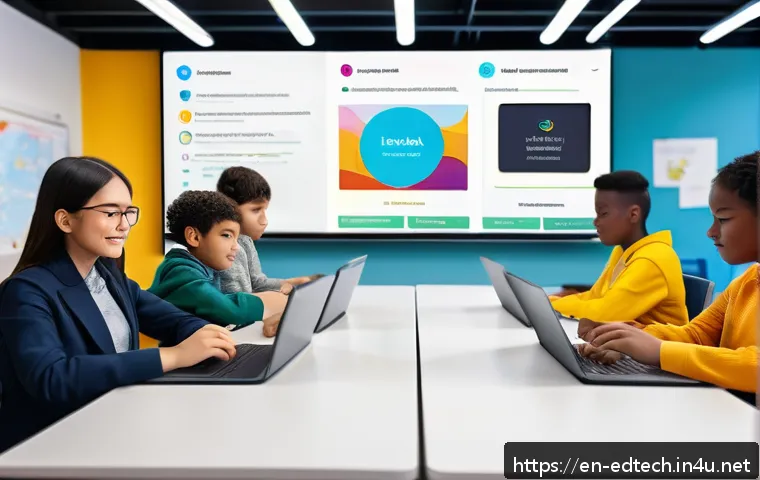
As educational technology rapidly evolves, finding agile and effective learning design methods has never been more crucial. Recently, the SAM (Successive Approximation Model) has gained attention for its iterative approach that keeps learners engaged and content creators flexible.
If you’ve ever struggled with rigid course development processes, SAM offers a refreshing alternative that adapts to real-time feedback. In this post, I’ll share insights from my own experience applying SAM and explore why it’s becoming a game-changer in crafting impactful learning experiences.
Let’s dive into how this model can transform your approach to educational design.
Embracing Flexibility in Learning Design
Why Traditional Models Often Fall Short
When I first dove into course development, I quickly realized that the usual linear design methods can feel like trying to fit a square peg in a round hole.
These traditional approaches often demand that every detail be locked down before moving forward, leaving little room for adjustment once the project is underway.
From my own experience, this rigidity leads to frustration—especially when unexpected learner feedback or shifting educational needs pop up. It’s like setting sail with a fixed map, only to find new islands that the map never accounted for.
This inflexibility can slow down progress and sometimes results in content that feels outdated or irrelevant by the time it reaches learners.
How Agile Mindsets Change the Game
Switching to a more iterative, agile approach felt like a breath of fresh air. Instead of waiting until the end to see if the course works, we start small, test often, and tweak continuously.
This mindset encourages constant collaboration between designers, instructors, and learners. What I’ve noticed is that this ongoing dialogue keeps the content vibrant and aligned with real needs.
It’s almost like cooking a dish and tasting it throughout, adjusting seasoning as you go, rather than waiting until it’s done to find out it’s too salty or bland.
This dynamic process not only boosts learner engagement but also energizes creators by making the work feel more responsive and impactful.
The Role of Real-Time Feedback
Incorporating feedback as an integral part of the design cycle is key to staying relevant. My personal projects have benefited immensely from gathering learner input early and often—sometimes through quick surveys, sometimes via informal conversations.
This immediate insight has helped me catch misunderstandings or gaps before they become entrenched issues. The beauty here is the ability to pivot quickly.
For example, if a particular interactive element isn’t resonating, I can replace or modify it without overhauling the entire course. This responsiveness builds trust with learners, showing them that their voices truly shape the learning journey.
Streamlining Collaboration Among Stakeholders
Breaking Down Silos Between Teams
One major hurdle I’ve faced is when instructional designers, subject matter experts, and technical teams work in isolation. This separation often causes delays and miscommunications that ripple throughout the project timeline.
Adopting a flexible design process encourages breaking down these walls by involving all parties from the start. I’ve found that early collaboration leads to a shared understanding of goals and quicker problem-solving when challenges arise.
It’s like building a puzzle together rather than handing pieces off one by one.
Tools That Facilitate Continuous Input
Technology plays a huge role in enabling this level of collaboration. Tools like shared project boards, real-time document editing, and communication platforms have been game-changers in my workflow.
They allow for seamless updates and feedback loops without the need for cumbersome meetings or endless email chains. In practice, this means faster iterations and fewer bottlenecks.
When everyone has visibility into the current state of the project, there’s less guesswork and more proactive engagement.
Building a Culture That Values Adaptability
Shifting team mindset from “set it and forget it” to continuous improvement takes time and effort. From my experience, celebrating small wins and encouraging experimentation helps foster this culture.
When stakeholders see that iterative changes lead to measurable improvements, they become more comfortable with the process. This cultural shift creates an environment where adapting to feedback isn’t feared but welcomed as a natural part of delivering high-quality education.
Enhancing Learner Engagement Through Iteration
Designing With Learners’ Needs at the Forefront
Understanding learners’ evolving needs is central to keeping them engaged. I’ve noticed that when courses are designed with the flexibility to incorporate learner preferences and challenges, participation rates improve noticeably.
For instance, after launching a pilot module, I gathered detailed feedback that revealed some learners preferred more interactive elements while others wanted concise summaries.
Incorporating these insights into subsequent iterations made the course feel more personalized and relevant, which in turn boosted motivation.
Adapting Content to Different Learning Styles
One size rarely fits all when it comes to learning. Using an iterative approach allows me to experiment with various content formats—videos, quizzes, case studies, and discussion prompts—and then refine based on what resonates best.
This variety helps accommodate different learning styles and keeps the experience fresh. Over time, analyzing engagement metrics alongside learner feedback guides me in fine-tuning content mix to maximize effectiveness.
Encouraging Active Participation
Iterative design also opens doors to testing different ways of encouraging active learning. For example, I tried introducing peer review activities and found that learners became more invested when they had opportunities to interact with each other.
Subsequent tweaks improved clarity around expectations and timing, which further boosted participation. This ongoing refinement ensures that engagement strategies evolve alongside learners’ needs and preferences.
Measuring Success Beyond Completion Rates
Tracking Meaningful Learning Outcomes
While completion rates are often the go-to metric, I’ve learned that they don’t tell the full story. Using an iterative design process makes it easier to measure deeper outcomes, such as skill mastery, learner confidence, and application of knowledge.
By embedding formative assessments and reflective activities throughout the course, I can gather richer data on how learners are progressing and adjust accordingly.

Using Data to Inform Continuous Improvement
Collecting data is only part of the equation—the real value comes from interpreting and acting on it. I’ve used analytics dashboards to track engagement patterns and identify drop-off points.
Combining this data with qualitative feedback has allowed me to pinpoint exactly where learners struggle or lose interest. This insight then drives targeted revisions, making the course more efficient and effective over time.
Balancing Quantitative and Qualitative Insights
Relying solely on numbers can miss the nuances of learner experience. That’s why I complement analytics with interviews and open-ended survey questions.
Hearing directly from learners about their challenges and successes adds depth to the data and uncovers opportunities that might otherwise go unnoticed.
This balanced approach ensures that course improvements are both evidence-based and learner-centered.
Optimizing Development Efficiency
Reducing Waste with Incremental Builds
In my early projects, I often spent months building out full courses only to discover late-stage issues that required significant rework. The iterative process flips this on its head by focusing on small, functional chunks of content delivered quickly.
This incremental build approach minimizes wasted effort and allows for timely course adjustments. It’s like sculpting a statue bit by bit rather than carving blindly from a single block.
Prioritizing Features Based on Impact
Not every feature or activity adds equal value. Iterative design helps prioritize development efforts based on learner impact and feasibility. By testing core functionalities first and adding enhancements later, I’ve been able to focus resources where they matter most.
This prioritization prevents burnout and keeps teams motivated by delivering visible progress early and often.
Leveraging Prototypes to Gather Early Feedback
Creating prototypes or mock-ups has been invaluable for catching design flaws and gathering stakeholder input before full development. Early demos allow everyone involved to visualize the end product and suggest changes while it’s still easy to adjust.
This step reduces costly revisions down the road and keeps the project aligned with expectations.
Comparing Iterative and Traditional Design Approaches
Key Differences in Workflow and Outcomes
Looking back at my experiences, the contrast between iterative and traditional design models is striking. Traditional workflows tend to follow a rigid, step-by-step progression with minimal opportunities for revision until the end.
In contrast, iterative approaches emphasize continuous cycles of design, testing, and refinement. This leads to more adaptable content, faster response to learner needs, and ultimately better learning outcomes.
Challenges and Considerations for Adoption
Transitioning to an iterative model isn’t without challenges. It requires mindset shifts, stakeholder buy-in, and sometimes new tools or processes. From what I’ve seen, initial resistance often comes from concerns about perceived lack of structure or increased workload.
However, clear communication about benefits and demonstrating early wins can ease this transition and build momentum.
Practical Tips for Getting Started
For those interested in adopting an iterative approach, my advice is to start small. Pick a pilot project or module where you can experiment with rapid cycles of feedback and revision.
Engage learners and stakeholders early, and be transparent about the process. Over time, refine your methods based on what works best for your context.
| Aspect | Traditional Design | Iterative Design |
|---|---|---|
| Workflow | Linear, sequential phases with little room for changes once started | Flexible cycles of design, feedback, and refinement throughout the process |
| Feedback Timing | Collected mostly at the end of development | Integrated continuously, allowing for real-time adjustments |
| Learner Involvement | Limited during design; mostly end users | Active and ongoing participation shaping content |
| Risk of Rework | High, due to late-stage discoveries of issues | Lower, with early detection and fixes |
| Team Collaboration | Siloed roles and responsibilities | Cross-functional and dynamic collaboration |
| Adaptability | Rigid; changes require major effort | Highly adaptable to evolving needs and feedback |
Conclusion
Embracing flexibility in learning design transforms how we create and deliver educational experiences. By adopting iterative methods, we stay responsive to learner needs and foster stronger collaboration among teams. This dynamic approach not only enhances engagement but also leads to more meaningful outcomes. Ultimately, flexibility is key to building courses that evolve and succeed in an ever-changing learning landscape.
Useful Information to Keep in Mind
1. Start small with pilot projects to test iterative design without overwhelming your team.
2. Use real-time feedback tools to quickly identify and address learner challenges.
3. Prioritize collaboration among all stakeholders early and throughout the development process.
4. Balance quantitative data with qualitative insights to gain a full picture of learner experience.
5. Celebrate small wins to encourage a culture of adaptability and continuous improvement.
Key Takeaways
Adopting a flexible, iterative learning design approach requires shifting mindsets and fostering open communication. It reduces the risk of late-stage rework and keeps content relevant by integrating ongoing learner feedback. Collaboration across teams and the use of modern tools are essential for efficiency and responsiveness. By focusing on meaningful learning outcomes rather than just completion rates, designers can create more impactful educational experiences that truly meet learners’ evolving needs.
Frequently Asked Questions (FAQ) 📖
Q: What makes the S
A: M model different from traditional instructional design methods like ADDIE? A1: Unlike the linear and often rigid ADDIE process, SAM emphasizes rapid, iterative development with continuous feedback loops.
This means instead of waiting until the end to evaluate, you test small parts of your course frequently, allowing quick adjustments based on real learner responses.
From my experience, this flexibility keeps the design process dynamic and reduces the risk of investing heavily in content that misses the mark.
Q: How can S
A: M help improve learner engagement during course development? A2: SAM’s iterative cycles encourage ongoing learner input, which means the content evolves in response to actual user needs and preferences.
When learners see their feedback reflected in updates, they feel more connected and motivated. I noticed that this approach not only boosts engagement but also uncovers unexpected challenges early, allowing for smoother, more relevant learning experiences.
Q: Is S
A: M suitable for all types of educational content, or are there limitations? A3: While SAM is highly effective for projects requiring adaptability and quick turnaround, it may not be ideal for highly regulated or compliance-heavy training where strict content approval is necessary.
However, for most corporate training, eLearning modules, and even classroom settings, SAM’s flexibility is a huge advantage. In my case, blending SAM with some structured checkpoints helped balance creativity with quality control.