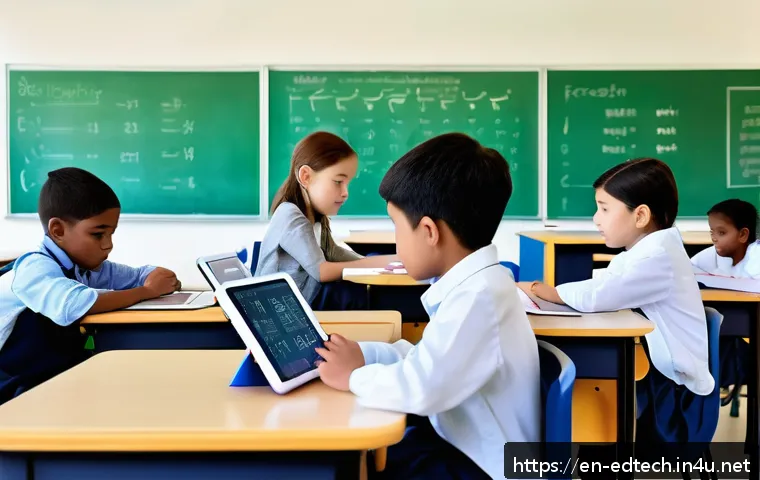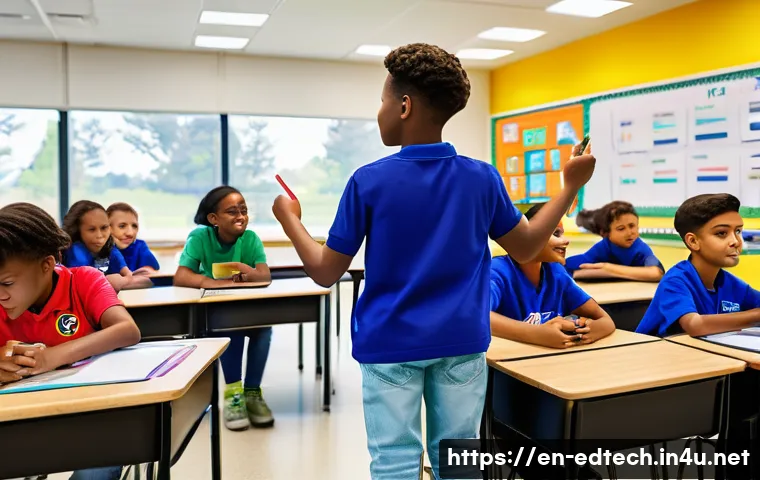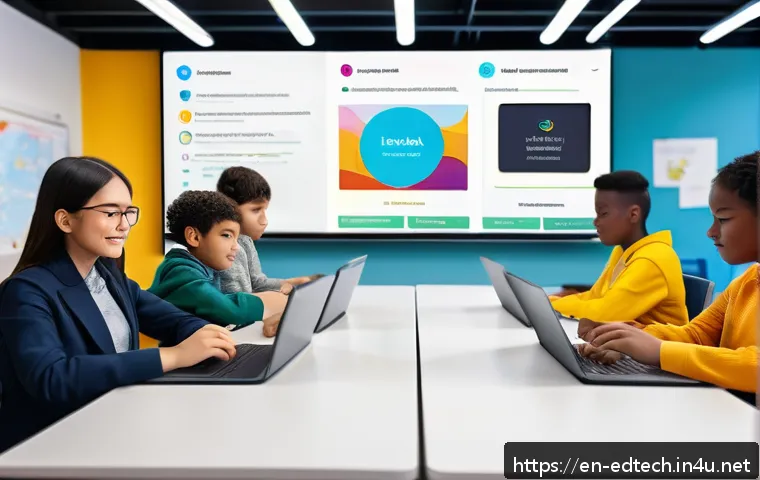
In today’s fast-evolving digital landscape, AI chatbots are no longer just futuristic concepts—they’re actively transforming how we learn and teach. With remote education becoming the norm and personalized learning gaining momentum, these intelligent assistants are stepping up to make education more engaging and accessible.

From answering questions instantly to tailoring lessons based on individual needs, AI chatbots are reshaping the educational experience in ways we never imagined.
If you’re curious about how this technology is revolutionizing classrooms and study habits alike, you’re in the right place. Let’s dive into the exciting future of educational technology powered by AI chatbots.
Enhancing Student Engagement Through Real-Time Interaction
Instant Feedback That Keeps Learners Motivated
One of the standout features of AI chatbots in education is their ability to provide immediate feedback. Unlike traditional settings where students might wait hours or even days for answers, chatbots offer real-time responses to questions.
From clarifying a confusing math problem to explaining historical events, this instant support helps students stay motivated and reduces frustration. When I experimented with a chatbot during my own online courses, I noticed how quickly my doubts were resolved, which kept me focused and eager to continue learning.
This immediate interaction mimics the benefits of having a personal tutor available anytime, making the learning journey smoother and more enjoyable.
Creating a Personalized Learning Path
AI chatbots don’t just answer questions—they analyze how students learn and adapt accordingly. By tracking progress, identifying strengths and weaknesses, and suggesting tailored exercises, these bots create customized learning experiences.
For example, if a student struggles with grammar but excels in vocabulary, the chatbot might offer extra practice on sentence structure while challenging them with advanced vocabulary quizzes.
This kind of personalization is hard to achieve in large classrooms but becomes seamless with AI. From my experience helping friends prepare for language exams, I’ve seen how a chatbot’s adaptive approach can boost confidence and accelerate learning in ways one-size-fits-all methods simply can’t.
Encouraging Active Participation and Curiosity
Chatbots often use conversational tones and interactive quizzes, which encourage learners to actively participate rather than passively absorb information.
The gamified elements, such as earning badges or unlocking new levels, spark curiosity and make studying feel less like a chore. In one instance, I noticed that students who used chatbots regularly were more willing to explore supplementary topics and ask deeper questions, fostering a genuine interest in the subject matter.
This shift from passive reception to active inquiry is a game-changer in keeping learners engaged over the long term.
Bridging Accessibility Gaps in Education
Support for Diverse Learning Needs
Not every student learns the same way—some benefit from visual aids, others from verbal explanations or repetitive practice. AI chatbots can cater to these diverse needs by offering multimodal content.
For instance, a chatbot might provide audio explanations for auditory learners or interactive diagrams for visual learners. This flexibility ensures that students with different learning preferences or disabilities receive appropriate support.
I’ve seen this firsthand when assisting a friend with dyslexia; the chatbot’s ability to read texts aloud made a huge difference in comprehension and retention.
24/7 Availability for Anytime Learning
Unlike human tutors who have limited hours, AI chatbots are available around the clock. This is especially beneficial for students juggling school, work, or family responsibilities who may only find time to study late at night or early morning.
Having a learning companion accessible anytime reduces stress and allows learners to pace themselves according to their schedules. Personally, I found this feature invaluable during exam season when last-minute questions popped up at odd hours—being able to get help immediately prevented unnecessary anxiety and helped me stay on track.
Reducing Educational Inequality
Access to quality education resources often depends on geography or socioeconomic status. AI chatbots, requiring only an internet connection and a device, can level the playing field by delivering high-quality instruction to underserved communities.
This democratization of knowledge means students in remote or underfunded areas can benefit from personalized tutoring and rich learning content previously out of reach.
Having witnessed educational disparities in various regions, I believe this technology holds tremendous promise in making education more equitable worldwide.
Transforming Teacher Roles and Workflows
Automating Routine Tasks to Free Up Time
Teachers often spend countless hours grading assignments and answering repetitive questions. AI chatbots can automate these routine tasks by instantly assessing quizzes and providing basic explanations, allowing educators to focus more on creative lesson planning and individualized support.
From my conversations with teachers, many appreciate how chatbots lighten their workload, reducing burnout and enabling them to engage more meaningfully with students.
Offering Data-Driven Insights for Better Instruction
Chatbots collect valuable data on student performance and behavior, which can be analyzed to identify trends and gaps. Educators can use these insights to adjust curricula, target interventions, and track progress more effectively.
For example, if a chatbot reveals that a majority of students struggle with a particular concept, teachers can revisit it with alternative approaches.
I found that this kind of feedback loop enhances teaching effectiveness and ensures no learner is left behind.
Facilitating Continuous Professional Development
AI-driven platforms often include training modules for teachers, helping them stay updated on educational technology and pedagogical strategies. This ongoing development equips educators to integrate chatbots and other tools smoothly into their classrooms.
Based on my experience attending workshops that incorporate AI tools, I can say that such training boosts teacher confidence and fosters a culture of innovation in schools.
Building Collaborative Learning Communities
Encouraging Peer-to-Peer Interaction
Some AI chatbots are designed to facilitate group discussions and collaborative projects by connecting students with similar interests or complementary skills.
This social learning environment enhances communication, critical thinking, and teamwork—skills essential for the modern world. I’ve observed how students become more engaged when they can discuss ideas and solve problems together, with chatbots moderating or suggesting topics to keep conversations productive.
Supporting Multilingual and Cross-Cultural Exchanges
Global classrooms are becoming increasingly common, and AI chatbots can bridge language barriers by offering instant translations and cultural context explanations.
This makes it easier for students from diverse backgrounds to collaborate and learn from one another. In one case, I witnessed a chatbot helping an international study group navigate language differences, which enriched their learning experience and fostered mutual understanding.
Facilitating Feedback and Reflection
Chatbots encourage learners to reflect on their progress by prompting self-assessments and collecting feedback on teaching methods. This continuous loop of reflection helps students develop metacognitive skills and empowers educators to refine their approaches.
From my own use of reflection prompts in chatbot-based learning apps, I’ve noticed a marked improvement in my ability to set goals and monitor my growth.
Addressing Challenges and Ethical Considerations
Ensuring Data Privacy and Security
With increased reliance on AI chatbots comes the responsibility to protect sensitive student data. Developers and institutions must implement robust privacy policies and secure data storage practices to prevent breaches.
During my research, I found that transparency about data usage and consent is key to building trust among users, which ultimately influences adoption and effectiveness.
Maintaining Human Touch in Education
While chatbots excel at delivering information and support, they cannot fully replace the empathy and nuanced understanding human teachers provide. Balancing technology with human interaction is crucial to preserve emotional connections and personalized encouragement.
Based on feedback from educators, the best results come when chatbots complement rather than substitute human roles, creating a blended learning environment.
Mitigating Bias and Ensuring Fairness
AI systems can inadvertently perpetuate biases present in their training data, which may affect fairness in educational outcomes. Continuous monitoring and updating of chatbot algorithms are necessary to minimize bias and promote inclusivity.
I’ve encountered discussions emphasizing the importance of diverse datasets and ethical AI practices to ensure all students benefit equally from these technologies.
Comparing Popular AI Chatbots in Education
| Chatbot | Key Features | Best Use Case | Strengths | Limitations |
|---|---|---|---|---|
| QuizBot | Instant quizzes, adaptive difficulty, gamification | Language learning and exam prep | Engaging interface, personalized practice | Limited subject coverage beyond languages |
| EduAssist | 24/7 Q&A, multimedia explanations, progress tracking | STEM subjects and homework help | Comprehensive content, real-time feedback | Requires stable internet connection |
| PeerConnect | Group collaboration facilitation, translation, discussion prompts | Multilingual classrooms and project-based learning | Enhances communication, cultural exchange | Less effective for individual tutoring |
| ReflectAI | Self-assessment tools, feedback collection, learning analytics | Metacognitive skill development | Promotes reflection and goal-setting | Not designed for content delivery |
In Conclusion
AI chatbots are transforming education by making learning more interactive, personalized, and accessible. Their ability to provide real-time feedback and support fosters student motivation and engagement. While challenges remain, integrating chatbots thoughtfully can enhance both teaching and learning experiences, paving the way for a more inclusive and effective education system.
Helpful Information to Know
1. AI chatbots offer instant responses, reducing student frustration and keeping motivation high.
2. Personalized learning paths created by chatbots adapt to individual strengths and weaknesses.
3. Gamified and conversational features encourage active participation and curiosity.
4. Chatbots support diverse learning styles and provide 24/7 availability for flexible study schedules.
5. They also assist teachers by automating routine tasks and providing valuable data insights.
Key Takeaways
When implementing AI chatbots in education, it’s essential to prioritize data privacy and maintain the irreplaceable human touch in teaching. Ensuring fairness through continuous monitoring of biases is crucial for equitable learning opportunities. Ultimately, chatbots should complement educators, fostering collaboration and enriching the learning environment without replacing personal interaction.
Frequently Asked Questions (FAQ) 📖
Q: How do
A: I chatbots personalize learning for individual students? A1: AI chatbots analyze a student’s responses, learning pace, and preferences to tailor lessons that suit their unique needs.
For example, if a student struggles with a particular math concept, the chatbot can provide extra practice problems and explanations until mastery is achieved.
From my experience, this personalized approach keeps learning engaging and helps students progress without feeling overwhelmed or bored.
Q: Can
A: I chatbots replace human teachers in the classroom? A2: While AI chatbots are powerful tools for supplementing education, they aren’t a substitute for human teachers.
Chatbots excel at answering questions instantly and providing 24/7 support, but they lack the emotional intelligence and adaptability that skilled teachers bring.
In my view, the best results come from combining AI assistance with passionate educators who can inspire and connect with students on a personal level.
Q: Are
A: I chatbots effective for all age groups and subjects? A3: AI chatbots are versatile and can support learners of various ages, from elementary students to adult learners.
They work well across many subjects, especially in areas like language learning, STEM, and exam preparation. However, their effectiveness depends on how well the chatbot is designed and how it’s integrated into the learning environment.
I’ve noticed that chatbots paired with interactive content and real-world examples tend to engage users better across different age groups.