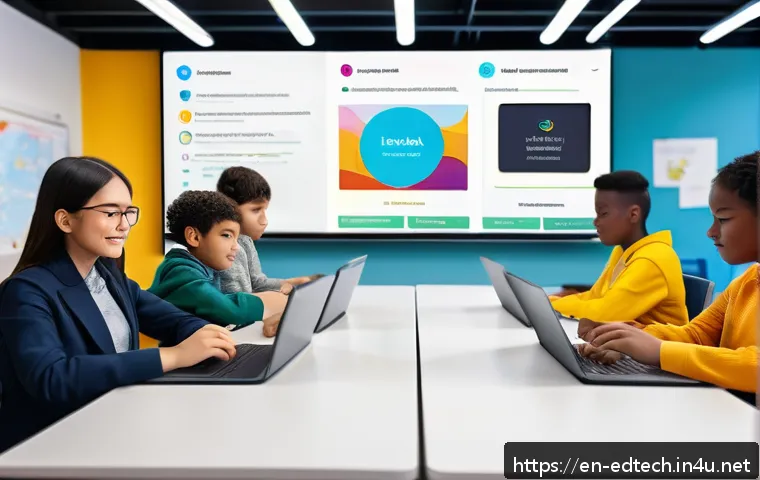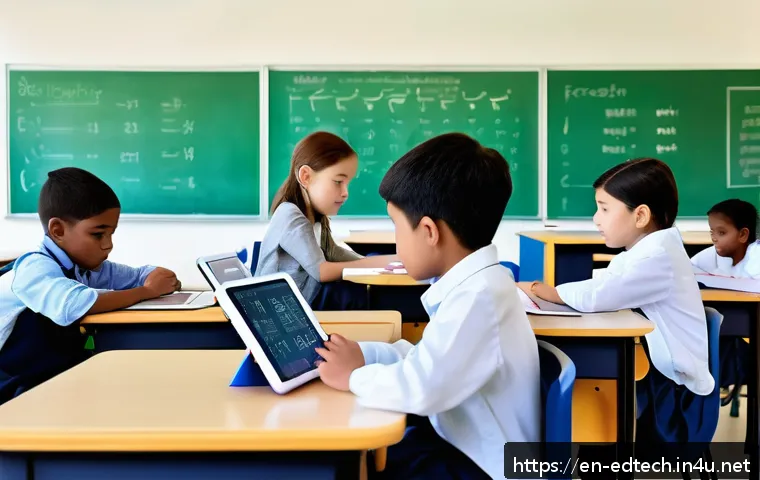
As classrooms worldwide rapidly embrace digital transformation, the way we learn is evolving faster than ever. From AI-powered tutoring to immersive virtual reality experiences, educational technology is reshaping how students engage with knowledge.
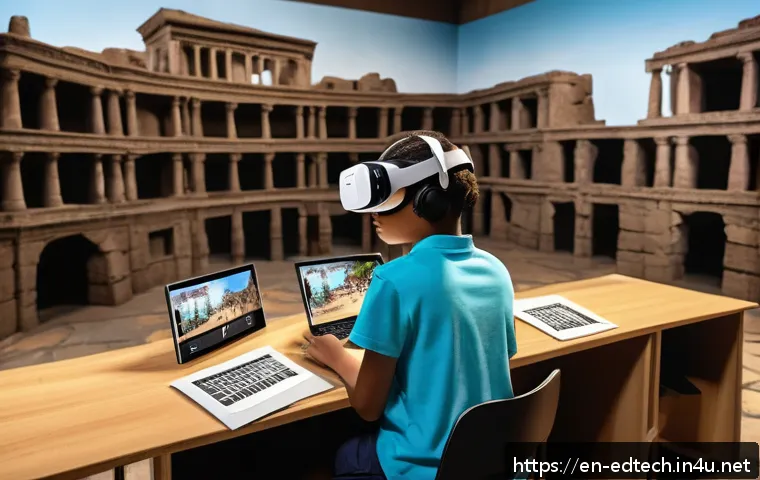
Whether you’re a teacher adapting to new tools or a learner craving more interactive content, this shift promises to make education more personalized and accessible.
In this post, we’ll explore how these innovations are breaking traditional barriers and unlocking exciting opportunities for the future of learning. Stay with us to discover how digital classrooms are not just a trend but a revolution in education.
The Rise of Adaptive Learning: Tailoring Education to Individual Needs
How AI Personalizes the Learning Journey
Adaptive learning technologies have completely transformed the one-size-fits-all approach that dominated classrooms for decades. By analyzing student data in real time, AI-powered platforms adjust the difficulty, pacing, and types of content to suit each learner’s unique strengths and weaknesses.
I’ve seen firsthand how this customization helps students stay engaged—no more boredom from material that’s too easy or frustration from content that’s too difficult.
The system constantly evolves based on performance, making education feel more like a conversation than a lecture.
Benefits Beyond Test Scores
While improved grades are a major outcome, adaptive learning offers benefits that go far deeper. Students develop critical thinking skills by being challenged just enough to stretch their abilities.
Moreover, these systems promote self-directed learning by encouraging students to take ownership of their progress. From my experience working with learners of various ages, the boost in confidence when they realize they can master complex topics at their own pace is truly inspiring.
Challenges in Implementing Adaptive Systems
Despite the clear advantages, integrating adaptive learning tools isn’t without hurdles. Schools often face budget constraints, and educators may need time and training to effectively incorporate these technologies.
Privacy concerns also arise since these platforms gather extensive personal data. But with thoughtful policies and ongoing support, these obstacles can be overcome, opening the door to more personalized, effective education.
Immersive Technologies: Bringing Learning to Life
Virtual and Augmented Reality in Classrooms
Immersive tech like VR and AR is no longer science fiction; it’s changing how students experience lessons. Imagine exploring ancient ruins or performing chemistry experiments in a safe virtual space—these technologies make abstract concepts tangible.
I’ve observed students who were once disengaged become fully absorbed when lessons incorporate immersive elements. The ability to interact with digital environments adds a layer of excitement and deeper understanding that traditional textbooks simply can’t match.
Enhancing Collaboration Through Digital Worlds
Virtual environments also foster collaboration across physical boundaries. Students from different schools or countries can work together in shared virtual labs or simulations, promoting global perspectives and teamwork skills.
This connectivity enriches learning by exposing students to diverse ideas and cultures, which is vital in today’s interconnected world.
Limitations and Considerations
Despite their promise, immersive tools require significant investment in hardware and reliable internet access, which can widen educational inequalities if not addressed.
Additionally, educators need to balance screen time with hands-on activities to prevent fatigue. When used thoughtfully, immersive tech can be a powerful supplement rather than a replacement for traditional learning methods.
Data-Driven Insights: Informing Smarter Teaching
Real-Time Analytics to Guide Instruction
One of the most exciting shifts is how data analytics empower teachers to make informed decisions. Platforms now provide instant feedback on student performance, highlighting areas that need reinforcement.
From my experience working with educators, having access to this data saves time and allows for more targeted interventions, which ultimately benefits student outcomes.
Predictive Models for Early Intervention
Advanced algorithms can predict which students might struggle, enabling proactive support before problems escalate. This early-warning system helps reduce dropout rates and ensures that no learner falls through the cracks.
It’s like having a digital assistant that helps teachers prioritize their attention where it’s needed most.
Ethical Use of Student Data
Handling sensitive data responsibly is crucial. Schools must establish transparent policies and secure systems to protect privacy. Educators and parents should be involved in discussions about how data is collected and used to maintain trust.
When done right, data-driven teaching enhances learning without compromising ethics.
Flexible Learning Environments: Anywhere, Anytime Education
The Power of Mobile Learning
Smartphones and tablets have become indispensable learning tools, enabling education to break free from traditional classrooms. I’ve noticed how students appreciate being able to study on the go, whether during a commute or in between activities.
Mobile apps offer bite-sized lessons that fit into busy schedules, making continuous learning more achievable.
Blended Learning Models
Combining online and face-to-face instruction creates a hybrid model that leverages the strengths of both worlds. This flexibility allows teachers to personalize lessons and students to learn at their own pace while still benefiting from social interaction.
Schools embracing blended learning report higher engagement and satisfaction levels among students and educators alike.

Addressing Access and Equity
While flexibility is a huge advantage, not all students have equal access to devices or stable internet. Schools and communities must work together to provide necessary resources and support.
Bridging this digital divide ensures that flexible learning truly serves all students, regardless of background.
Gamification: Making Learning Fun and Effective
Engaging Students Through Game Elements
Incorporating game design elements such as points, badges, and leaderboards taps into students’ natural motivation. I’ve seen shy or reluctant learners become more active participants when lessons feel like a challenge or competition.
Gamification transforms routine drills into exciting quests, making the process of acquiring knowledge more enjoyable.
Building Skills Beyond Content
Games often require strategic thinking, problem-solving, and collaboration—skills that are valuable beyond the classroom. Through gamified learning, students practice resilience and adaptability as they tackle increasingly complex tasks.
This experiential learning approach helps embed deeper understanding.
Balancing Competition and Cooperation
While competition can motivate, it’s important to foster a supportive environment where cooperation is equally valued. Well-designed educational games encourage teamwork and communication, helping students develop social skills alongside academic ones.
Finding this balance maximizes the benefits of gamification.
Supporting Educators Through Technology
Professional Development and Training
For digital transformation to succeed, teachers must feel confident and competent with new tools. Ongoing professional development tailored to educators’ needs is essential.
I’ve witnessed how hands-on workshops and peer mentoring can boost teachers’ enthusiasm and effectiveness, creating a culture of continuous learning.
Reducing Administrative Burdens
Technology can automate routine tasks like grading and attendance, freeing teachers to focus more on instruction and student engagement. This shift not only improves efficiency but also reduces burnout, which is a major concern in education today.
Building Communities of Practice
Online platforms allow educators to share resources, strategies, and support across schools and districts. These professional networks foster collaboration and innovation, making it easier to navigate the rapidly changing educational landscape together.
| Technology | Main Benefit | Key Challenge | Example Use Case |
|---|---|---|---|
| Adaptive Learning | Personalized instruction tailored to student needs | Training educators and protecting data privacy | AI-driven math tutoring adjusting difficulty in real time |
| Immersive Tech (VR/AR) | Engaging, interactive learning experiences | High costs and accessibility issues | Virtual field trips to historical sites |
| Data Analytics | Informed teaching and early intervention | Ethical data management | Dashboard showing student progress and risk alerts |
| Mobile Learning | Learning anytime, anywhere | Digital divide and device access | Educational apps for language practice on smartphones |
| Gamification | Motivation and skill development through play | Maintaining balance between competition and cooperation | Point systems and badges in science quizzes |
| Teacher Support Tech | Professional growth and workload reduction | Ensuring meaningful integration | Automated grading tools and online teacher communities |
Conclusion
As education continues to evolve, adaptive technologies are reshaping how we learn and teach by focusing on individual needs and real-world engagement. These innovations foster not only academic growth but also essential life skills, making learning more meaningful and accessible. Embracing these tools thoughtfully promises a future where education truly adapts to every learner’s journey.
Helpful Information to Know
1. Adaptive learning tailors content dynamically, helping students stay motivated and challenged without feeling overwhelmed.
2. Immersive technologies like VR and AR bring abstract concepts to life, boosting engagement and understanding through interactive experiences.
3. Data analytics provide teachers with real-time insights, enabling targeted support and early intervention for struggling students.
4. Mobile learning breaks down barriers of time and place, making education more flexible and convenient for diverse lifestyles.
5. Gamification enhances motivation by turning lessons into fun, skill-building challenges that balance competition with collaboration.
Key Takeaways
To fully harness the benefits of educational technology, it’s crucial to address challenges such as equitable access, data privacy, and proper training for educators. When these factors are managed well, technology becomes a powerful ally that enriches learning experiences without replacing the human connection at the heart of education.
Frequently Asked Questions (FAQ) 📖
Q: uestionsQ1: How does
A: I-powered tutoring improve the learning experience compared to traditional methods? A1: AI-powered tutoring tailors lessons to each student’s unique needs, pacing, and learning style.
From my experience, unlike one-size-fits-all classrooms, these systems adapt in real-time, offering instant feedback and personalized challenges. This keeps learners more engaged and helps them grasp difficult concepts faster.
Plus, it allows teachers to focus on creative instruction rather than routine drills, making the whole process more effective and enjoyable.
Q: What role does virtual reality (VR) play in enhancing classroom engagement?
A: Virtual reality transforms abstract or complex topics into immersive, hands-on experiences. For example, instead of reading about ancient civilizations, students can virtually walk through historical sites, making learning vivid and memorable.
In my observations, VR not only boosts motivation but also improves retention by engaging multiple senses. It breaks the monotony of lectures and brings subjects to life, which is especially beneficial for visual and kinesthetic learners.
Q: Are digital classrooms accessible to all students, regardless of their background or location?
A: While digital classrooms have the potential to democratize education by providing access to quality resources anytime, anywhere, challenges remain. Reliable internet access and appropriate devices are still barriers in some regions.
However, many schools and organizations are actively working to bridge this gap through grants, offline content options, and mobile-friendly platforms.
Personally, I’ve seen significant improvements in inclusivity when schools combine technology with thoughtful support systems, making learning more equitable over time.