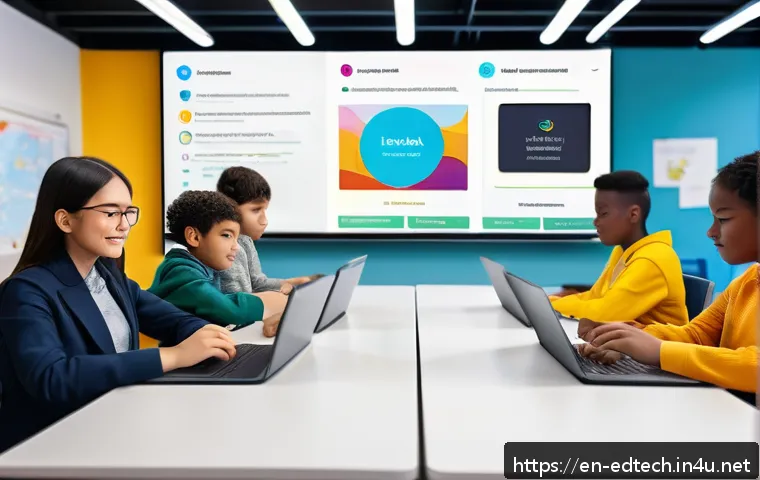
In today’s fast-paced digital world, the fusion of educational technology and online learning environments has transformed how knowledge is shared and absorbed.

From interactive platforms to AI-driven tools, these innovations are reshaping classrooms and making education more accessible than ever. Whether you’re a student, educator, or lifelong learner, understanding this evolving landscape is essential to maximize your learning experience.
I’ve explored firsthand how these tools can boost engagement and improve outcomes. Let’s dive deeper and uncover the key insights together!
Revolutionizing Engagement Through Interactive Learning Tools
Gamification as a Catalyst for Motivation
When I first experimented with gamified learning platforms, I was genuinely surprised at how much more engaged I felt compared to traditional methods.
The incorporation of points, badges, and leaderboards doesn’t just make lessons fun; it taps into our innate desire for achievement and competition. In classrooms, this means students are more likely to stay focused and motivated, even when tackling complex subjects.
Teachers report that gamification encourages repeated practice and deeper understanding because learners want to “level up” rather than just complete assignments.
The dynamic feedback loops created by these systems help learners identify areas they need to improve without feeling discouraged.
Collaborative Features Enhancing Peer Learning
One of the standout benefits I noticed in platforms equipped with real-time collaboration tools is how they foster a sense of community. Features like live chat, group workspaces, and peer review systems allow learners to share insights and solve problems together, replicating the social aspect of traditional classrooms.
This interaction not only boosts comprehension but also builds communication skills and empathy. From experience, I’ve seen shy students blossom when given the chance to contribute in a less intimidating digital environment.
The ability to work asynchronously also means that time zones and schedules are no longer barriers, allowing global learning networks to flourish.
Adaptive Learning Tailored to Individual Needs
Adaptive learning technologies are a game-changer in personalizing education. By analyzing a learner’s performance in real time, these systems adjust content difficulty, pacing, and even suggest additional resources tailored to individual strengths and weaknesses.
During my trial of such platforms, I appreciated how this approach reduced frustration and boredom — the lessons always felt “just right.” This flexibility is especially crucial in diverse classrooms where students come with varying backgrounds and abilities.
It empowers learners to progress at their own pace, leading to better retention and mastery of subjects.
Harnessing AI to Transform Educational Experiences
AI Tutors Providing Instant, Personalized Assistance
From my perspective, AI-powered tutoring systems have become invaluable, especially when immediate feedback is needed. Unlike waiting for a teacher’s availability, AI tutors can answer questions, explain concepts, and provide hints 24/7.
This instant support helps prevent the frustration that comes with getting stuck and losing momentum. Moreover, AI can analyze patterns in student errors and offer targeted interventions, which I found particularly effective during self-study sessions.
The scalability of these tutors also means that quality help is accessible to anyone with an internet connection, breaking down traditional barriers to education.
Content Generation and Curriculum Design
AI is not just assisting learners but also reshaping how educators develop materials. Tools that automatically generate quizzes, summaries, or even entire lesson plans based on specific learning objectives save educators significant time and effort.
Having experimented with some of these applications, I noticed the generated content is often surprisingly coherent and aligned with standards, although it still requires human oversight to ensure relevance and accuracy.
This fusion of human expertise and AI efficiency allows for more dynamic and up-to-date curricula, tailored to evolving educational needs.
Ethical Considerations and Data Privacy
While AI brings many benefits, it also raises important questions about data privacy and ethical use. During my research, I encountered concerns about how learner data is collected, stored, and utilized.
Transparency from providers and strict adherence to privacy laws are essential to build trust. It’s also vital to ensure AI systems do not perpetuate biases or reduce human interaction to a minimum.
Educators and institutions must strike a balance, integrating AI tools responsibly to enhance rather than replace the human touch that is fundamental in education.
Optimizing Online Learning Environments for Better Outcomes
Designing Intuitive User Interfaces
The first impression of any online learning platform often hinges on its usability. In my experience, platforms with clean, intuitive designs significantly reduce the cognitive load on learners, allowing them to focus more on content rather than navigation.
Features like clear menus, progress indicators, and easily accessible help sections contribute to a smoother experience. Accessibility options, such as adjustable font sizes and screen reader compatibility, also ensure inclusivity.
A well-designed interface can dramatically decrease dropout rates and increase learner satisfaction.
Incorporating Multimedia for Diverse Learning Styles
People absorb information differently, and I’ve found that platforms offering a rich mix of videos, podcasts, infographics, and text cater to a wider audience.
This multimodal approach helps maintain interest and addresses the needs of visual, auditory, and kinesthetic learners. For example, complex scientific concepts become more digestible through animations, while podcasts provide opportunities for learning on the go.
Using varied media also encourages active engagement, as learners can choose the formats that resonate best with their preferences and contexts.
Effective Assessment Strategies Online
Assessments in virtual environments must go beyond traditional quizzes to truly measure understanding and skills. From my experience, incorporating project-based tasks, peer assessments, and reflective journals enhances the depth of evaluation.
These methods encourage critical thinking and real-world application, which standardized tests often miss. Moreover, instant feedback mechanisms help learners recognize mistakes early and adjust their strategies.
The challenge lies in ensuring academic integrity without making assessments overly restrictive, which could stifle creativity and risk-taking.
Building Strong Learner Communities in Digital Spaces
Facilitating Meaningful Interaction
Creating a sense of belonging online can be tricky, but I’ve noticed that platforms with structured discussion forums, regular live sessions, and mentorship programs foster stronger connections.
These elements encourage learners to share experiences, ask questions, and offer support, replicating the camaraderie of physical classrooms. The role of educators shifts toward facilitators, guiding conversations and nurturing relationships.
This community aspect not only improves motivation but also helps learners persist through challenges by reducing feelings of isolation.
Leveraging Social Media for Educational Collaboration
Social media platforms have become unexpected allies in education. When I used groups on Facebook and LinkedIn for study purposes, the immediacy and informal tone made learning more approachable.

These spaces are excellent for sharing resources, announcing events, and forming study groups. However, moderation is key to prevent misinformation and maintain a respectful environment.
Integrating social media thoughtfully enhances engagement by meeting learners where they already spend time, bridging formal and informal learning.
Encouraging Lifelong Learning Habits
One of the best outcomes of strong digital learning communities is their role in fostering continuous education. I’ve seen peers support each other long after courses end, exchanging knowledge and experiences that keep skills fresh and relevant.
This ongoing interaction cultivates curiosity and adaptability, essential traits in today’s ever-changing job market. Platforms that provide alumni networks or interest-based clubs help maintain these connections, turning isolated learning events into lifelong journeys.
Measuring Success and Impact in Digital Education
Key Performance Indicators for Online Learning
Evaluating the effectiveness of online education requires a multi-faceted approach. Metrics such as course completion rates, learner satisfaction, engagement levels, and knowledge retention provide insights into what’s working.
I’ve observed that combining quantitative data with qualitative feedback gives a fuller picture. For instance, a course might have high completion but low satisfaction, signaling issues with content or delivery.
Tracking these KPIs helps educators iterate and improve offerings continuously.
Using Analytics to Personalize Learning Paths
Data analytics play a crucial role in tailoring education. Learning platforms equipped with analytics dashboards enable instructors to monitor individual progress and identify learners at risk of falling behind.
In my experience, timely interventions based on this data can prevent dropouts and encourage mastery. Furthermore, learners themselves benefit from access to their own analytics, empowering them to take ownership of their learning journey.
This transparency fosters accountability and motivation.
Challenges in Assessing Digital Learning Outcomes
Despite advances, accurately measuring learning outcomes online remains complex. Factors like varying learner environments, technological access, and self-reporting biases complicate data interpretation.
From what I’ve encountered, contextualizing results within broader educational goals is essential. Over-reliance on standardized metrics can overlook critical soft skills and creativity.
Therefore, a balanced assessment framework combining multiple data sources and human judgment is necessary to truly capture learner growth.
Cost-Effective Strategies for Implementing Digital Learning Solutions
Choosing the Right Platforms Within Budget
Budget constraints often dictate the choice of digital tools, but affordability doesn’t have to mean compromising quality. I’ve found that many open-source platforms offer robust features suitable for various educational needs.
Careful evaluation of licensing costs, scalability, and support services is crucial. Additionally, some commercial solutions provide tiered pricing or discounts for educational institutions, making them accessible without breaking the bank.
Prioritizing essential functionalities over flashy extras ensures efficient use of resources.
Training Educators to Maximize Technology Use
Technology adoption succeeds only if educators feel confident and competent. In my experience, investing in comprehensive training programs pays dividends in user satisfaction and learner outcomes.
Hands-on workshops, peer mentoring, and ongoing support help teachers integrate tools creatively into their pedagogy. Encouraging experimentation and sharing best practices within professional communities fosters innovation.
Neglecting this aspect often leads to underutilized investments and frustration.
Leveraging Cloud Solutions for Scalability
Cloud-based services offer flexible and scalable options for hosting learning environments, reducing upfront infrastructure costs. I’ve witnessed institutions rapidly expand their offerings by using cloud platforms that adjust to fluctuating user demands.
These solutions also simplify maintenance and updates, freeing IT staff for strategic tasks. Security and data privacy remain priorities, but reputable providers adhere to strict standards.
Embracing cloud technology enables sustainable growth and accessibility.
| Feature | Benefit | Example Platforms |
|---|---|---|
| Gamification | Increases motivation and engagement through rewards and competition | Kahoot!, Duolingo |
| AI Tutors | Provides instant, personalized assistance anytime | Querium, Squirrel AI |
| Collaborative Tools | Enhances peer interaction and social learning | Google Classroom, Microsoft Teams |
| Adaptive Learning | Customizes content to learner’s pace and level | Knewton, Smart Sparrow |
| Cloud Hosting | Offers scalable and cost-effective infrastructure | Amazon Web Services, Google Cloud |
In Conclusion
Interactive learning tools are transforming education by boosting engagement, personalization, and collaboration. Integrating gamification, AI, and adaptive technologies creates more effective and enjoyable learning experiences. As educators and learners embrace these innovations, the future of education looks more accessible and dynamic than ever before.
Useful Insights to Remember
1. Gamification significantly enhances motivation by making learning feel like a rewarding game rather than a chore.
2. Collaborative tools foster community and improve communication skills, especially in remote or asynchronous settings.
3. Adaptive learning tailors content to individual needs, reducing frustration and supporting steady progress.
4. AI-powered tutors provide instant, personalized help, breaking down traditional barriers to education access.
5. Well-designed user interfaces and diverse multimedia formats cater to different learning styles and improve retention.
Key Takeaways
Successful digital education hinges on balancing innovative technologies with human-centered approaches. Prioritizing learner engagement, personalized support, and ethical data use ensures meaningful outcomes. Investing in educator training and scalable, cost-effective solutions further strengthens online learning ecosystems. Ultimately, fostering strong learner communities and continuously measuring impact are vital for sustained success in digital education.
Frequently Asked Questions (FAQ) 📖
Q: How can educational technology improve student engagement in online learning?
A: From my experience, educational technology brings a dynamic element to online learning that traditional methods often lack. Interactive tools like quizzes, gamified lessons, and virtual breakout rooms make students active participants rather than passive listeners.
This increased interactivity helps maintain attention and motivation, especially when learners can see real-time feedback or collaborate with peers. I’ve noticed that when students engage with these tech features, their enthusiasm and willingness to dive deeper into the material naturally increase, leading to better retention and overall outcomes.
Q: What role does
A: I play in enhancing online education? A2: AI is a game changer in tailoring education to individual needs. Tools powered by AI can analyze a student’s progress and adapt the difficulty of exercises accordingly, providing personalized learning paths.
For instance, I’ve used AI-driven platforms that identify weak spots and suggest targeted practice, which feels like having a personal tutor available 24/7.
Beyond customization, AI also automates routine tasks for educators, such as grading or attendance tracking, freeing up more time to focus on meaningful student interaction.
This blend of personalization and efficiency is why AI is becoming a cornerstone of modern online education.
Q: What challenges should learners and educators be aware of when using educational technology?
A: While educational technology offers tremendous benefits, it’s not without hurdles. One major challenge is the digital divide—unequal access to reliable internet or devices can limit participation.
I’ve seen firsthand how technical glitches or platform complexity can frustrate both students and teachers, sometimes hindering the learning flow. Additionally, overreliance on technology might reduce face-to-face social interactions, which are crucial for developing communication skills.
Being mindful of these issues and seeking a balanced approach, combining tech with human touch, makes the learning experience more effective and inclusive.