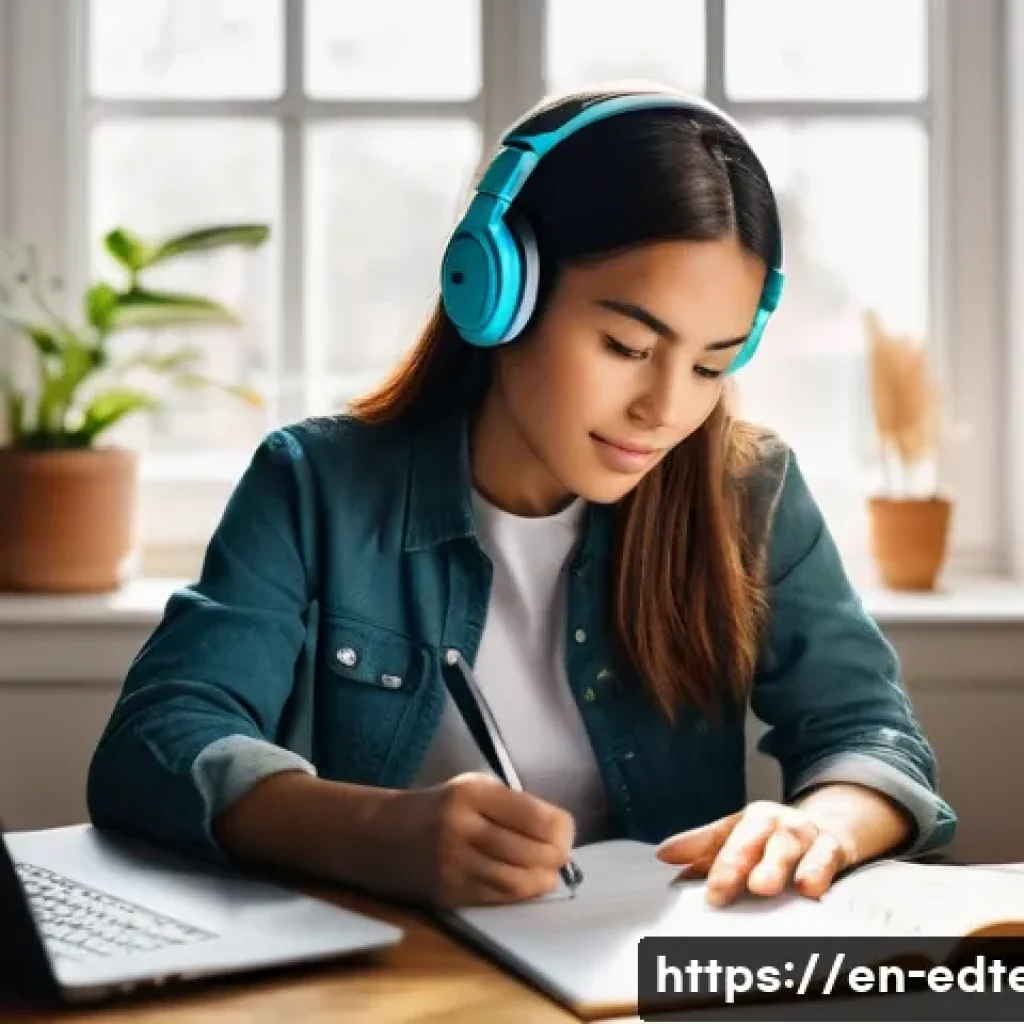
Podcast learning has become a game-changer in the field of educational technology, offering learners a flexible and engaging way to absorb knowledge on the go.
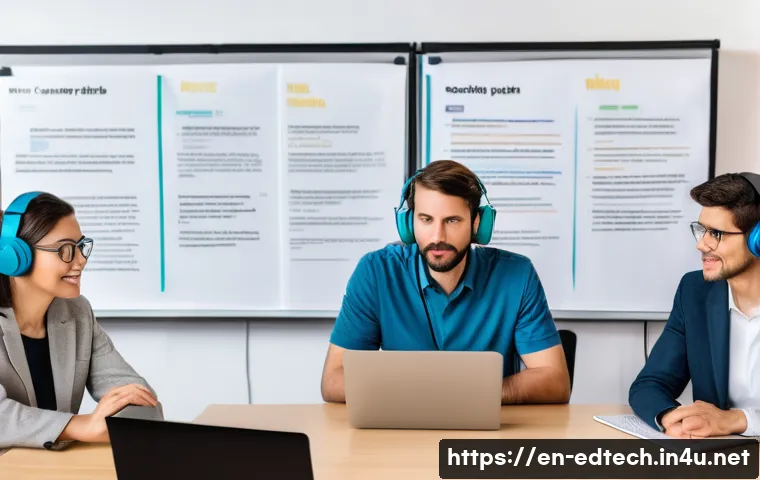
With the rise of smartphones and streaming platforms, podcasts provide an accessible medium for delivering complex concepts through storytelling and expert interviews.
Many educators are now harnessing this format to complement traditional teaching methods, making learning more interactive and personalized. From enhancing listening skills to fostering critical thinking, podcast-based learning opens up exciting possibilities.
Curious about how this innovative approach can transform your educational experience? Let’s dive in and explore the details together!
Unlocking the Power of Audio for Deeper Understanding
Why Listening Beats Reading Alone
Listening to content via podcasts engages your brain differently than reading does. When you hear a story or an explanation, your mind paints vivid images and interprets tone, emotion, and emphasis that written words sometimes fail to convey.
Personally, I found that absorbing complicated subjects like history or science through well-produced podcasts helped me grasp nuances that textbooks often miss.
The auditory cues and conversational style make ideas stick better, especially when you’re multitasking or on the move.
Storytelling as a Learning Catalyst
Podcasts excel at weaving educational content into compelling narratives. Instead of just presenting facts, they create immersive experiences that draw listeners in emotionally.
For example, a podcast about climate change might feature personal stories from scientists and activists, making the topic relatable and urgent. This storytelling approach helps learners connect with material on a human level, fostering curiosity and retention in ways traditional lectures sometimes lack.
Expert Insights Delivered Straight to Your Ears
One of the coolest aspects of podcast learning is access to subject matter experts who share their knowledge in a casual, digestible format. Unlike academic papers or dense textbooks, podcasts often present interviews with specialists who break down complex ideas into everyday language.
I’ve personally enjoyed episodes where researchers discuss breakthroughs in psychology or technology, making cutting-edge information accessible without feeling overwhelming.
Adapting Learning to Your Lifestyle
Learning Anytime, Anywhere
What makes podcasts truly revolutionary is their flexibility. You can listen during your commute, while cooking, or even on a jog. This convenience turns otherwise “dead time” into productive learning moments.
From my own routine, squeezing in a 20-minute episode during a morning walk transformed how I fit learning into a busy schedule. It’s a subtle but powerful shift that keeps education consistent without extra stress.
Personalized Learning Journeys
Podcasts come in countless niches, allowing you to curate a playlist that suits your interests and goals. Whether you’re into language learning, entrepreneurship, or health, there’s something tailored just for you.
This personalization feels empowering because you control the pace and topics, making education feel less like a chore and more like an adventure you look forward to.
Interactive Opportunities Beyond Listening
Many podcasters now encourage audience engagement through social media groups, live Q&A sessions, or supplemental materials. This interaction creates a community feel and deepens understanding by discussing ideas with others.
I’ve joined a few podcast listener forums where sharing perspectives clarified tricky concepts and motivated me to keep learning.
Boosting Critical Thinking Through Dialogue
Analyzing Multiple Perspectives
Podcasts often feature debates and panel discussions that expose listeners to diverse viewpoints. This format challenges you to weigh evidence, question assumptions, and form your own informed opinions.
I remember an episode on ethical dilemmas in AI that presented conflicting expert opinions, which sparked hours of reflection and research on my part—something rarely triggered by passive reading.
Encouraging Reflective Listening
Good podcasts don’t just bombard you with information; they prompt you to pause and reflect. Hosts might pose questions or summarize key points, nudging listeners to think critically rather than consume passively.
This reflective approach helped me develop a habit of active listening, where I jot down thoughts or look up related info immediately after an episode.
Applying Knowledge in Real Life
Many educational podcasts end with practical takeaways or challenges. This real-world application reinforces learning and makes abstract ideas tangible.
For instance, a finance podcast might suggest tracking expenses or setting savings goals after an episode, turning theory into action. Trying out these tips personally has made my learning feel purposeful and rewarding.
Enhancing Language Skills Through Natural Exposure
Immersive Language Practice
For language learners, podcasts provide authentic exposure to accents, idioms, and conversational rhythms. Unlike scripted lessons, podcast conversations flow naturally, helping listeners adapt to real-world speech patterns.

When I was improving my Spanish, tuning into storytelling podcasts from native speakers sharpened my listening comprehension far beyond classroom drills.
Expanding Vocabulary in Context
Podcasts introduce new words and phrases in meaningful contexts, making them easier to remember. Instead of memorizing lists, you hear vocabulary embedded in stories, interviews, or explanations.
This contextual learning stuck with me, especially when hosts repeated terms or elaborated on their usage, reinforcing retention without feeling like rote study.
Building Confidence Through Repetition
Since podcasts can be paused and replayed, they offer a low-pressure way to practice listening multiple times. I often rewound episodes when encountering tricky segments, gradually gaining confidence in understanding and pronunciation.
This repeated exposure helped bridge the gap between recognizing words and grasping their full meaning.
Maximizing Educational Podcast Benefits with Smart Listening Habits
Choosing Quality Over Quantity
With thousands of podcasts available, selecting reliable and well-produced content is crucial. I recommend looking for shows hosted by knowledgeable people with clear audio and engaging formats.
Subscribing to a few favorites prevents overwhelm and builds a steady learning routine, rather than hopping between too many sources.
Taking Notes to Reinforce Learning
Active note-taking during or after listening deepens retention. Whether jotting down key points, questions, or personal reflections, this habit transforms passive consumption into active engagement.
I found that digital note apps synced with my podcast player helped organize insights and review them later, making study sessions more effective.
Balancing Listening with Other Learning Methods
Podcasts are powerful but work best when combined with reading, writing, or hands-on practice. For example, after listening to a science episode, I might read articles or attempt experiments to solidify understanding.
This multi-modal approach caters to different learning styles and prevents reliance on a single source.
Comparing Podcast Learning Formats and Features
| Format | Strengths | Ideal Use Case |
|---|---|---|
| Interview-based | Expert insights, varied perspectives | Exploring new topics or current trends |
| Narrative storytelling | Emotional engagement, memorable content | History, science, or cultural subjects |
| Panel discussions | Debate, critical thinking | Ethics, politics, controversial topics |
| Language learning | Immersive listening, vocabulary building | Language practice and fluency |
| Educational series | Structured lessons, progressive learning | Step-by-step skill development |
Closing Thoughts
Harnessing the power of audio learning through podcasts opens up new ways to absorb information more deeply and flexibly. From engaging storytelling to expert insights, podcasts make complex topics accessible and enjoyable. By integrating listening into daily routines, anyone can enrich their knowledge while staying connected to their busy lifestyle.
Useful Tips to Keep in Mind
1. Choose podcasts that match your interests and learning goals to stay motivated and engaged.
2. Take notes while listening to reinforce key ideas and make review easier later on.
3. Don’t hesitate to replay difficult sections to improve comprehension and retention.
4. Combine podcasts with other study methods like reading or hands-on practice for a well-rounded approach.
5. Join podcast communities or discussion groups to deepen understanding and share perspectives.
Key Takeaways
Effective podcast learning relies on selecting quality content, practicing active listening, and applying knowledge in real life. The flexibility of audio allows you to learn anytime, anywhere, but combining this with note-taking and other educational activities maximizes results. Engaging with diverse perspectives and reflecting on material enhances critical thinking, making podcasts a powerful tool for continuous growth.
Frequently Asked Questions (FAQ) 📖
Q: How can podcasts improve my learning experience compared to traditional methods?
A: Podcasts offer a unique advantage by allowing you to learn anytime and anywhere, whether you’re commuting, exercising, or doing chores. Unlike textbooks or lectures that require full attention and time, podcasts deliver educational content in a conversational and storytelling format, which makes complex topics easier to digest.
From my own experience, listening to expert interviews or real-life examples on podcasts helped me grasp concepts faster and retain information longer because it felt more engaging and less like studying.
Q: Are podcasts suitable for all types of learners and subjects?
A: While podcasts are incredibly versatile, they tend to work best for auditory learners and subjects that benefit from discussion, storytelling, or interviews—like history, science, language learning, and personal development.
However, if you’re a visual learner, you might need to complement podcasts with other resources like videos or written materials. Personally, I found that combining podcast listening with note-taking or follow-up reading helped solidify my understanding, especially for more technical or detailed subjects.
Q: How can educators effectively integrate podcasts into their teaching strategies?
A: Educators can use podcasts as supplementary material to reinforce lessons, provide real-world insights, or introduce diverse perspectives. Assigning specific podcast episodes before or after class can spark meaningful discussions and critical thinking.
From what I’ve seen in practice, encouraging students to create their own podcast episodes also boosts creativity and deeper engagement with the content.
The key is to choose high-quality, relevant podcasts and guide students on how to critically analyze what they hear rather than passively consuming it.