In today’s fast-paced world, video-based learning has revolutionized the way we absorb and retain information. It combines visual and auditory elements, making complex concepts easier to understand and more engaging.
From classrooms to corporate training, videos offer flexible and personalized learning experiences that cater to diverse needs. I’ve personally noticed how incorporating videos into lessons boosts motivation and improves knowledge retention.
With technology advancing rapidly, video learning is set to become even more interactive and immersive. Let’s dive deeper into how video-based learning is reshaping education and why it’s gaining so much traction!
Enhancing Engagement Through Multimedia Integration
Visual Storytelling to Boost Comprehension
Videos excel at weaving narratives that captivate learners by blending images, text, and sound. When I first integrated animated stories into my training sessions, I noticed participants were not only more attentive but also better at recalling key information days later.
Visual storytelling taps into our brain’s natural affinity for stories, making abstract or complex topics feel tangible. For instance, demonstrating a scientific process with animated sequences allows learners to visualize steps that would otherwise remain theoretical.
This multisensory approach triggers deeper cognitive processing, which I find crucial for long-term retention.
Sound and Music as Emotional Anchors
Incorporating background music or sound effects can subtly influence learners’ emotions, creating a more immersive environment. I’ve experimented with different audio tracks during language lessons, and the right soundtrack helped maintain focus and reduce fatigue.
Sound cues can also signal important points or transitions, guiding viewers through the content smoothly. The emotional resonance from auditory stimuli often makes the learning experience memorable, which is a big win in educational settings where motivation tends to fluctuate.
Interactive Elements That Encourage Active Participation
The beauty of modern video platforms is their ability to embed quizzes, polls, and clickable hotspots directly into the content. I’ve used these interactive features in webinars, and they transformed passive watching into an active learning session.
Learners engage by answering questions or exploring additional resources without leaving the video, which keeps their attention locked in. This interaction not only reinforces learning but also provides immediate feedback, a critical factor for mastering new skills effectively.
Personalizing Learning Paths with Adaptive Video Content
Tailoring Complexity to Individual Needs
One of the most exciting advances is adaptive video technology, where content adjusts based on learner responses or preferences. From my experience using platforms that offer branching scenarios, learners appreciate receiving material that matches their skill level.
Beginners can review foundational concepts while advanced users dive deeper into specialized topics. This flexibility prevents frustration and boredom, making the educational journey feel more relevant and less one-size-fits-all.
Self-Paced Learning for Better Retention
Video-based learning naturally supports self-pacing, letting users pause, rewind, or speed up as needed. In my own practice, allowing learners to control the pace drastically improved understanding, especially for complex subjects like coding or medical procedures.
This autonomy reduces pressure and encourages repeated exposure to challenging segments, which is crucial for mastery. Unlike live lectures, videos provide a safe space to explore content at one’s own rhythm.
Data-Driven Insights to Guide Progress
Many video learning platforms now offer analytics that track viewing habits, quiz results, and engagement levels. I’ve leveraged these insights to identify which parts of my courses learners struggle with most, enabling me to refine content iteratively.
This feedback loop enhances the overall quality and ensures the material evolves alongside learner needs. Additionally, instructors can personalize follow-up support based on individual data, making education more effective and targeted.
Overcoming Common Challenges in Video Learning
Addressing Accessibility and Inclusion
Ensuring that video content is accessible to all learners is a challenge I’ve confronted head-on. Adding captions, transcripts, and audio descriptions is essential for inclusivity, especially for those with hearing or visual impairments.
I’ve found that these features not only comply with accessibility standards but also improve comprehension for everyone. For example, captions help non-native speakers follow along better, and transcripts allow quick searching of key concepts without rewatching entire videos.
Combating Digital Fatigue
Extended screen time can lead to cognitive overload and disengagement. I noticed this firsthand during back-to-back virtual training sessions. To mitigate digital fatigue, breaking videos into shorter segments with clear learning objectives helps maintain attention.
Integrating breaks or interactive tasks between clips refreshes learners’ minds. This chunking strategy also aligns well with how our brain processes information, promoting better absorption without feeling overwhelmed.
Ensuring Technological Compatibility
Technical issues can disrupt the learning flow and frustrate users. I always test videos across multiple devices and browsers to guarantee smooth playback.
Optimizing video quality for different internet speeds and providing downloadable alternatives ensures accessibility regardless of connectivity constraints.
Clear instructions on troubleshooting common problems also empower learners to resolve issues independently, reducing support requests and downtime.
Measuring the Impact of Video Learning on Outcomes
Tracking Engagement Metrics
Metrics like watch time, click-through rates, and interaction frequency offer valuable insights into how learners engage with video content. When analyzing these stats, I noticed that higher engagement correlates strongly with better quiz scores and course completion rates.

Monitoring these indicators allows educators to tweak content or delivery methods to maximize impact. For example, videos with interactive quizzes tend to keep viewers invested longer.
Evaluating Knowledge Retention
Assessing how well learners retain information after video sessions is vital. In my experience, combining videos with follow-up assessments, such as quizzes or practical exercises, reveals retention levels more accurately than passive observation.
Comparing test results before and after video-based modules often shows significant improvement, especially when videos are supplemented with real-world examples or simulations.
Gathering Learner Feedback
Direct feedback from participants provides qualitative data on video effectiveness. I routinely collect surveys and conduct informal interviews to understand what resonates or falls short.
Learners often appreciate when videos are concise, visually appealing, and directly applicable to their goals. Incorporating their suggestions has helped me refine content pacing, style, and complexity, creating a more learner-centered approach that fosters satisfaction and motivation.
Future Trends Shaping Video Learning Experiences
Immersive Technologies: VR and AR
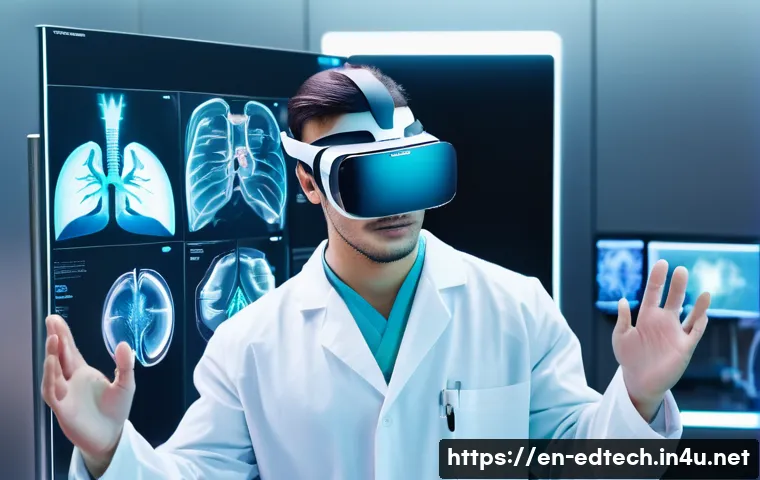
Virtual and augmented reality promise to transform video learning by creating fully immersive environments. I had the chance to experiment with VR simulations in a medical training context, and it was eye-opening how this technology enabled hands-on practice without real-world risks.
AR overlays can enrich videos with interactive 3D models, making abstract concepts tangible. These tools are set to raise engagement and deepen understanding beyond traditional video formats.
AI-Powered Customization and Assistance
Artificial intelligence is increasingly integrated into video platforms to personalize content delivery and provide real-time support. Chatbots and virtual tutors can answer questions or suggest supplementary materials based on learner progress.
From my trials with AI-driven learning systems, this immediate assistance reduces frustration and keeps learners motivated. As AI continues to evolve, its role in creating adaptive, responsive video learning experiences will only grow.
Social Learning and Collaborative Features
Video platforms are embracing social elements like discussion boards, group projects, and live Q&A sessions. I’ve observed that incorporating community features encourages peer-to-peer interaction, which enriches understanding through diverse perspectives.
Collaborative learning fosters accountability and builds a sense of belonging, making video-based education feel less isolating. This social dimension enhances motivation and reinforces knowledge through shared experiences.
Comparing Video Learning Modalities: Strengths and Limitations
| Learning Modality | Advantages | Challenges |
|---|---|---|
| Recorded Video Lectures | Flexible timing, repeatable content, broad accessibility | Limited interaction, potential passive learning |
| Live Streaming Sessions | Real-time interaction, immediate feedback, community feel | Scheduling constraints, potential technical issues |
| Interactive Video Modules | Active engagement, personalized pathways, instant assessment | Requires advanced technology, higher development costs |
| VR/AR-Based Learning | Immersive experience, hands-on practice, increased retention | High setup cost, accessibility limitations, technical complexity |
Wrapping Up
Integrating multimedia in video learning offers a powerful way to deepen engagement and enhance understanding. From visual storytelling to adaptive content, these strategies cater to diverse learning styles and needs. Embracing technology thoughtfully can transform educational experiences, making them more interactive, accessible, and effective for all learners.
Useful Information to Keep in Mind
1. Visual elements like animations and graphics help learners grasp complex ideas faster and retain them longer.
2. Sound and music influence mood and focus, making the learning environment more immersive and enjoyable.
3. Interactive features such as quizzes and clickable content boost active participation and immediate feedback.
4. Adaptive video content personalizes learning paths, preventing boredom and frustration by matching skill levels.
5. Breaking videos into shorter segments and including accessibility options improves comprehension and reduces fatigue.
Key Takeaways
Successful video learning hinges on combining engaging multimedia with personalized, accessible design. Prioritizing interactivity and data-driven adjustments enhances retention and motivation, while addressing technical and inclusivity challenges ensures no learner is left behind. Looking ahead, immersive technologies and AI will continue to redefine how we experience video education, making it more dynamic and learner-focused than ever before.
Frequently Asked Questions (FAQ) 📖
Q: How does video-based learning improve information retention compared to traditional methods?
A: Video-based learning engages multiple senses simultaneously—both visual and auditory—making it easier for the brain to process and store information. From my experience, watching a concept unfold visually while hearing explanations helps solidify understanding far better than just reading or listening alone.
Additionally, videos often use animations, real-life examples, and storytelling, which make complex topics more relatable and memorable. This multisensory approach naturally boosts motivation and keeps learners focused, ultimately improving retention.
Q: Can video learning be personalized to fit different learning styles and paces?
A: Absolutely! One of the biggest advantages of video-based learning is its flexibility. Learners can pause, rewind, or rewatch sections as many times as needed, catering perfectly to individual speeds and comprehension levels.
Some platforms even offer interactive quizzes or branching scenarios within videos to adapt content based on the learner’s responses. From what I’ve seen, this personalization empowers learners to take control of their education, making the experience more effective and less frustrating than one-size-fits-all methods.
Q: What future trends should we expect in video-based learning technology?
A: The future of video learning is incredibly exciting. Advances in augmented reality (AR) and virtual reality (VR) promise immersive experiences where learners can interact with 3D models or practice skills in simulated environments.
AI-driven analytics will personalize content even more by tracking engagement and tailoring lessons to individual needs in real-time. From my perspective, these innovations will make learning not just more effective but also more enjoyable, transforming education into an active, hands-on journey rather than passive watching.