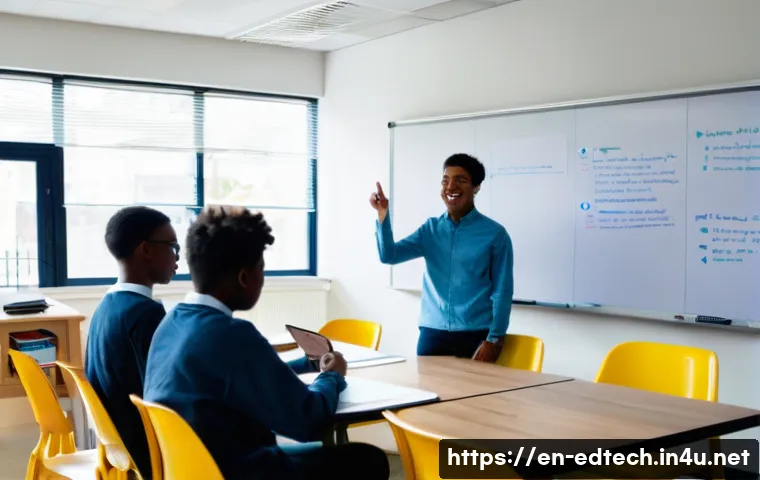
Hey there, fellow educators and lifelong learners! Have you ever walked out of a lecture feeling totally inspired, or perhaps, on the flip side, utterly bewildered by how disconnected the teaching felt from actual learning?
I know I have, on both ends of the spectrum, and it truly drives home a critical point: effective teaching isn’t just about what you know, but *how* you share it.
In today’s rapidly evolving educational landscape, with AI tools transforming everything from content creation to student engagement, and the constant push for more personalized, active learning experiences, the demands on professors are shifting dramatically.
It’s no longer enough to just deliver information; we need to be architects of understanding, facilitators of discovery, and mentors who genuinely empower our students.
As someone deeply invested in the academic world, constantly exploring cutting-edge pedagogy and instructional design, I’ve seen firsthand the profound impact when faculty are truly equipped with the latest strategies – the kind that resonate with modern learners and leverage new technologies without losing the human touch.
From mastering new digital tools to refining classroom management for hybrid environments, and even understanding the psychological underpinnings of deep learning, there’s so much exciting ground to cover.
If you’ve been pondering how to truly elevate your teaching game, make your courses unforgettable, and ensure your students are not just learning but *thriving*, then you’re exactly where you need to be.
I’m incredibly excited to pull back the curtain on the most impactful instructional design and teaching methods training out there. Let’s discover exactly what you need to know to transform your classroom and empower every learner!
Crafting Engaging Learning Experiences for the Modern Student
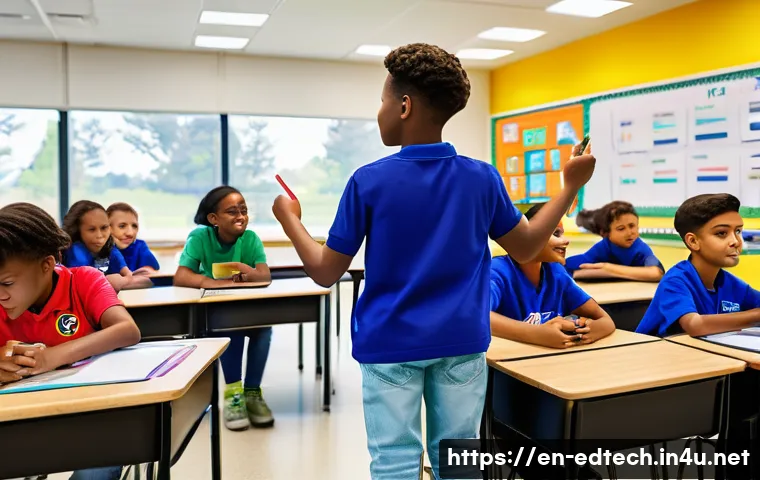
In my years within academia, I’ve noticed a significant shift in what truly captures students’ attention and fuels their desire to learn. It’s no longer about simply disseminating information from a podium, but rather about designing an environment where learning is an active, dynamic process. Today’s students, having grown up in an era of instant information and interactive content, crave engagement and relevance. If we want to truly make an impact, we’ve got to move beyond the traditional lecture model and embrace pedagogical strategies that make students feel seen, heard, and deeply involved in their educational journey. This means thinking about every aspect of a course, from how content is delivered to how students interact with it and each other. It’s a challenge, sure, but also an incredible opportunity to create truly transformative learning experiences that stick with them long after they leave our classrooms. I’ve found that when you actively involve students, when they feel like they’re “doing” rather than just “listening,” their retention and understanding skyrocket.
Fostering Active Participation and Collaboration
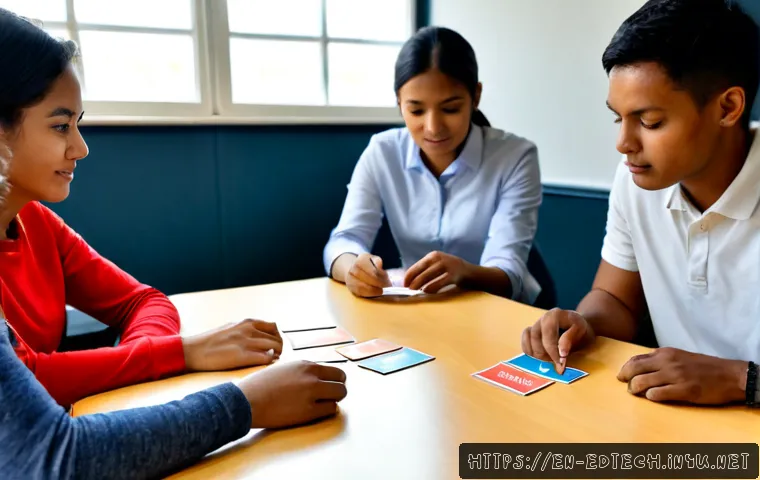
One of the most impactful changes I’ve implemented in my own courses is a deliberate pivot towards active learning and collaborative strategies. Gone are the days when I’d talk for an hour straight, only to see glazed-over eyes. Now, I make it a point to break up content delivery with interactive activities every 5-10 minutes. I’ve seen firsthand how incorporating methods like “Think-Pair-Share” or quick polling questions can instantly reset attention spans and get everyone’s brain gears turning. Imagine posing a thought-provoking question, giving students a minute to jot down their initial thoughts, then letting them discuss it in small breakout groups—either physically in class or in virtual rooms for hybrid setups—before coming back together to share their collective insights. It’s amazing how this simple structure not only encourages deeper reflection but also helps students learn from their peers, making the content much more sticky and meaningful. Group projects, when structured thoughtfully with clear roles and expectations, also cultivate essential skills like teamwork, communication, and problem-solving, which are so crucial in today’s world.
Designing for Experiential and Applied Learning
Let’s be real: students remember what they *do*, not just what they hear. That’s why I’m such a huge advocate for experiential learning. It’s about getting students to “learn by doing” and then deeply reflecting on that experience. This could mean anything from hands-on lab experiments and field trips to intricate simulations, case studies, or even community-based projects. I’ve found that when students grapple with real-world problems, discover and test solutions, and interact with others in an authentic context, the learning becomes incredibly powerful. For example, instead of just lecturing on environmental policy, I might have students conduct a local community impact assessment, interview stakeholders, and present their findings to a real organization. The practical application of theoretical knowledge not only cements their understanding but also helps them develop critical skills for their future careers. Providing opportunities for students to apply their knowledge in realistic situations, accompanied by constructive feedback, dramatically enhances retention and usability of the learned material.
Embracing Technology for Personalized and Flexible Education
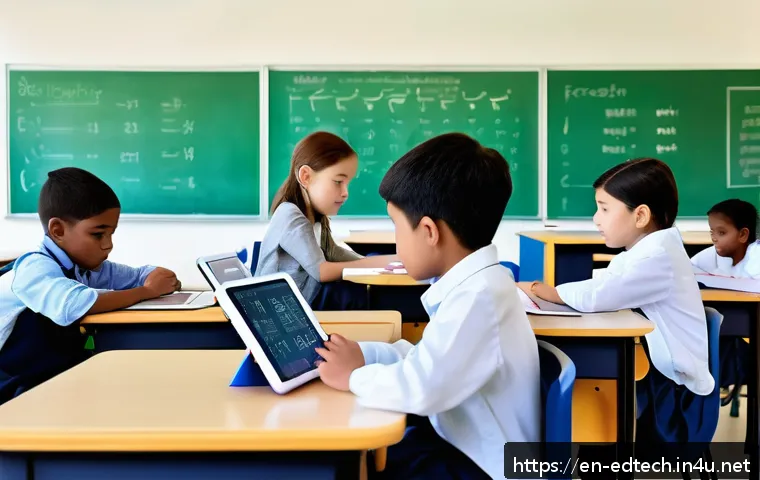
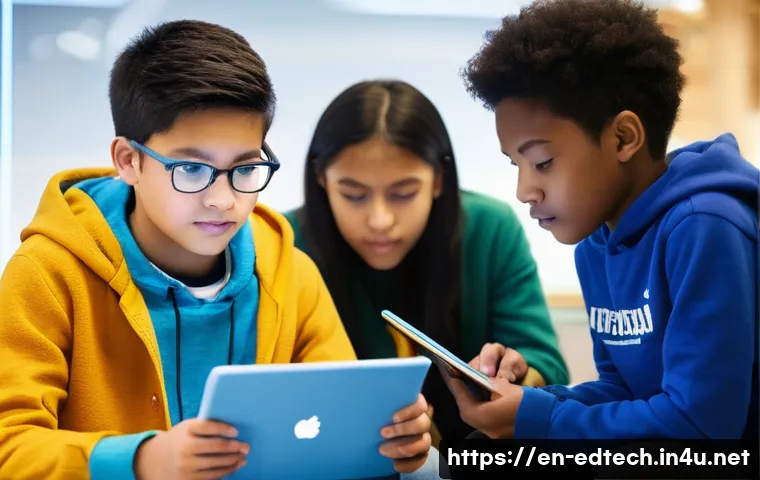
The digital age has fundamentally reshaped how students learn and interact with educational content, and honestly, if we’re not adapting, we’re missing out on some incredible opportunities. Today’s learners expect flexibility, seamless access to resources, and experiences tailored to their individual needs. I’ve witnessed firsthand how thoughtfully integrated technology can transform a classroom, making learning more accessible, engaging, and personal for every student. It’s not about replacing the human element, but rather leveraging tools to enhance our ability to connect and empower. From my perspective, neglecting these technological advancements is like trying to teach physics without ever touching a calculator – it just doesn’t make sense in our current landscape. We have the power to create dynamic, interactive learning environments that meet students where they are, literally and figuratively.
The Power of Personalized Learning Pathways
One of the most exciting shifts I’ve seen is the rise of personalized learning. It moves away from the old “one-size-fits-all” lecture model, which, let’s face it, rarely worked perfectly for everyone. Instead, personalized learning tailors content, pace, and teaching methods to each student’s unique needs, learning style, and interests. This is where technology truly shines! Adaptive learning platforms, powered by AI and data analytics, can assess a student’s strengths and weaknesses, then recommend customized learning paths and resources. I’ve used tools that allow students to revisit complex topics at their own pace or delve deeper into areas that truly spark their curiosity. It fosters a sense of autonomy and ownership over their learning journey, which I’ve found significantly boosts engagement and motivation. It’s like having a personal tutor for every student, constantly adjusting to keep them in their optimal learning zone. The result? Better academic performance, higher retention rates, and ultimately, more confident and capable learners.
Leveraging Digital Tools for Engagement and Accessibility
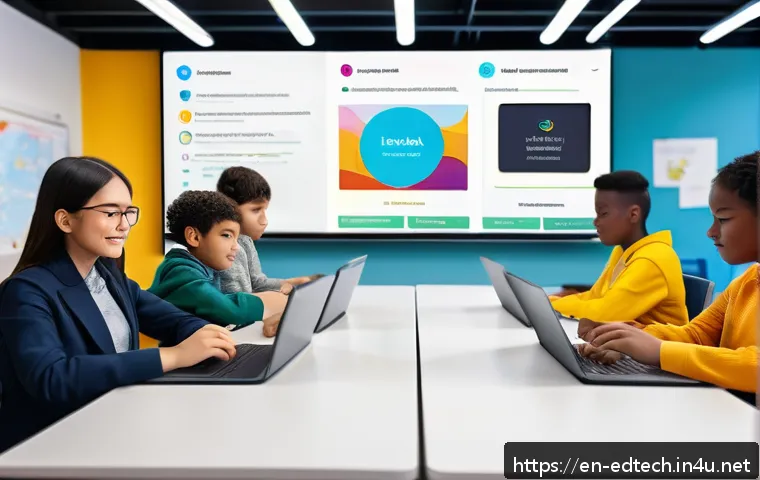
Modern teaching demands modern tools, and I’ve found that integrating a variety of digital resources makes a world of difference. It’s no longer enough to just upload static lecture slides; students today expect interactive content. Think about incorporating interactive videos with built-in quizzes, gamified elements to make learning fun, or even 3D modeling software to illustrate complex concepts. For my hybrid classes, I rely heavily on robust Learning Management Systems (LMS) to centralize course materials, assignments, and discussions, ensuring equitable access for all students, whether they’re in the classroom or joining remotely. I also make sure to offer materials in multiple formats—text, audio, video—and utilize features like captions and adjustable font sizes to accommodate diverse learning needs. This creates an inclusive environment where every student feels supported and empowered to fully engage, bridging the gap between traditional learning and the digital world they inhabit every day.
Navigating the AI Revolution in Academia
Okay, let’s talk about the elephant in the room: Artificial Intelligence. It’s everywhere, and honestly, if you’re not at least exploring how AI can support your teaching, you’re missing a trick. For me, it was a bit daunting at first, but after diving in, I’ve seen its incredible potential to streamline administrative tasks and even enhance the learning experience. It’s not about letting AI do all the work, but rather using it as a smart assistant, freeing up our time to focus on what truly matters: connecting with our students and fostering deeper understanding. Think of it as having a super-efficient teaching assistant who never sleeps and can handle all the repetitive stuff, leaving you to be the brilliant, inspiring mentor you truly are.
AI as Your Instructional Design Co-Pilot
The role of AI in instructional design is rapidly expanding, and it’s genuinely exciting. I’ve found AI tools to be invaluable for tasks that used to eat up so much of my time. For instance, I’ve used AI to quickly generate quiz questions, summarize lengthy research articles for student readings, and even create initial drafts of lesson plans or rubrics. Some platforms can analyze learner behavior and provide personalized content recommendations, almost like a smart tutor guiding students through material at their own pace. Imagine the time saved on mundane tasks, allowing us to focus more on nuanced discussions, individualized feedback, and those “aha!” moments that make teaching so rewarding. It’s about working smarter, not harder, and making sure our teaching is as impactful and efficient as possible. Of course, it’s crucial to remember that AI is a tool to *enhance* human-centered design, not replace it.
Professional Development for an AI-Integrated Future
With AI becoming such a significant force, it’s absolutely essential for faculty to stay ahead of the curve. Many students are already using AI tools in their studies, and they expect us to understand how to leverage this technology responsibly and effectively. I’ve actively sought out professional development opportunities focused on AI in education, and let me tell you, they are game-changers. These programs, often offered by universities or even tech giants like Google, provide practical, hands-on experience in using generative AI tools like Gemini to personalize instruction, enhance lessons, and save time on everyday tasks. They also delve into critical topics like ethical considerations, potential biases, and how to foster academic integrity in an AI-rich environment. It’s about building our own AI literacy so we can guide our students, develop responsible strategies for its integration, and ultimately, ensure we’re preparing them for a future where AI is an undeniable part of their professional and personal lives.
Building Community and Social-Emotional Support
In our increasingly digital and often isolated world, I’ve found that fostering a strong sense of community and providing robust social-emotional support is more crucial than ever in the classroom, especially in hybrid or online settings. It’s easy for students to feel disconnected when they’re not physically present, and that sense of isolation can seriously hinder their learning and overall well-being. My personal experience has shown me that when students feel truly connected to their peers and to me, their instructor, they’re far more willing to take risks, ask questions, and fully immerse themselves in the learning process. It’s about creating a safe, welcoming space where every student feels valued and knows that their success matters.
Cultivating Connections in Hybrid Environments
Creating a vibrant classroom community when some students are online and others are in person can feel like a juggling act, but it’s absolutely doable and so rewarding. I make a conscious effort to design activities that bridge this physical gap. Online discussion boards, for example, aren’t just for assignments; I use them as spaces for informal check-ins, peer-to-peer support, and even just sharing interesting articles related to our course. Virtual study groups and collaborative projects that intentionally pair in-person students with remote ones can break down barriers and foster meaningful interaction. It’s also vital to establish clear “rules of engagement” for communication in hybrid settings, so everyone knows how to ask questions, participate in discussions, and get help, which helps reduce anxiety and ensures everyone feels heard. I also actively utilize built-in chat features during live sessions, monitoring them closely to respond to questions and encourage dialogue, making sure no one feels left out of the conversation.
Prioritizing Student Well-being and Flexibility
Modern students often juggle multiple responsibilities—work, family, personal commitments—and recognizing this is key to their success. I truly believe that offering flexibility wherever possible can make a huge difference in their ability to thrive. Personalized learning, as we discussed, allows students to learn at their own pace, accommodating diverse schedules. Asynchronous lectures and self-paced online coursework can be incredibly beneficial for those with unpredictable schedules. Beyond flexibility, establishing dedicated and on-demand check-ins can provide much-needed support. This could be regular one-on-one virtual office hours, or providing readily accessible resources for when they hit a roadblock in their asynchronous work. Showing empathy and providing a safe space for students to voice challenges fosters trust and cooperation. When students feel genuinely supported and understood, their motivation and engagement naturally increase, leading to better outcomes not just academically, but personally as well.
Designing for Diverse Learners: Universal Design and Accessibility
You know, one thing that’s become crystal clear to me over the years is that a truly effective learning environment isn’t one-size-fits-all. Every student walks into our classroom with a unique background, different strengths, and varying needs. If we want to empower *all* of them to succeed, we simply must design our courses with diversity and accessibility at the forefront. It’s not just about compliance; it’s about creating a truly inclusive and equitable space where every single student feels like they belong and has the tools they need to flourish. I’ve found that when I intentionally design with accessibility in mind, I’m not just helping a few students, I’m actually making the learning experience better for everyone.
Implementing Universal Design for Learning (UDL)
Universal Design for Learning (UDL) isn’t just a buzzword; it’s a game-changer. It’s a framework that guides us to design learning environments that are accessible to all individuals from the outset, regardless of their abilities or learning styles. This means providing multiple means of representation for content (e.g., offering text, audio, and video formats), multiple means of action and expression for assignments (e.g., allowing students to demonstrate understanding through written essays, oral presentations, or creative projects), and multiple means of engagement to motivate learners (e.g., varying teaching methods, offering choice, and fostering collaboration). I’ve personally found that when I bake UDL principles into my course design from the very beginning, it eliminates many barriers before they even arise. This proactive approach ensures that every student has pathways to access information, participate meaningfully, and show what they know in ways that genuinely reflect their strengths. It’s about creating an educational landscape that truly works for the beautiful spectrum of human learners.
Ensuring Equitable Access to Resources
One of the most significant barriers to student engagement, especially in hybrid and online environments, is unequal access to learning materials and technology. It’s a reality we simply cannot ignore. My commitment to equitable access means ensuring that all course materials are readily available, easy to navigate, and compatible with assistive technologies. This includes using digital textbooks that are often more affordable and flexible, integrating all resources seamlessly into our Learning Management System (LMS), and providing materials in multiple formats. I also make a point to ensure that any videos have accurate captions, font sizes are adjustable, and high-contrast visuals are used. These might seem like small details, but they make a world of difference for students with diverse needs, from those using screen readers to those with visual impairments. By doing so, we create an environment where every student, regardless of their circumstances or abilities, has an equal opportunity to connect with the course content and participate fully, fostering a sense of fairness and inclusion that truly underpins successful learning.
Assessing Learning for Growth, Not Just Grades
Assessment, to me, has always been more than just slapping a grade on a paper. It’s a powerful tool for learning, a compass that guides students on their educational journey, and a mirror that helps us, as educators, reflect on our own teaching effectiveness. In today’s dynamic learning landscape, where knowledge is constantly evolving and skills are paramount, our assessment strategies need to evolve too. I’ve learned that truly effective assessment empowers students, helps them understand their progress, and provides actionable feedback that fosters continuous growth. It’s not about catching them out; it’s about helping them shine. When students understand *why* they’re being assessed and *how* it helps them, they become active partners in the evaluation process, which is incredibly motivating.
Formative Assessment as a Learning Catalyst
I’m a huge believer in formative assessment – the kind that happens *during* the learning process, not just at the end. It’s about providing continuous feedback and opportunities for students to course-correct, rather than waiting until it’s too late. Think about low-stakes quizzes, minute papers where students briefly summarize a key concept, or even a quick “muddiest point” question at the end of a session to gauge understanding. These aren’t just for grades; they’re immediate checkpoints that help both students and me identify knowledge gaps on the spot. I’ve found that using these strategies helps students reflect in the moment and allows me to clarify concepts or adjust my teaching approach right away. When students receive consistent, constructive feedback, they’re much more likely to grasp difficult material and feel supported in their learning journey. It’s an ongoing conversation, not a one-time judgment, and it fosters a mindset of continuous improvement.
Beyond Traditional Grading: Authentic and Reflective Assessment
While grades are a necessary part of the academic world, I strive to make my assessments truly meaningful. This often means moving beyond traditional multiple-choice tests towards more authentic and reflective assessments. Project-based assignments, where students solve real-world problems or create tangible outputs, allow them to apply their knowledge in a way that truly matters. Peer evaluations can teach critical self- and peer-assessment skills. I also integrate reflective journals or portfolios where students document their learning journey, articulate their growth, and connect their experiences back to course concepts. The key is to make grading policies transparent and easy to understand, sharing rubrics and showing students exactly how their work will be evaluated. But beyond the numbers, I emphasize that assessment helps them understand their achievement and helps me meet their needs, making it a powerful tool for both learning and teaching. It’s about empowering students to take ownership of their learning and truly understand their progress, not just a letter on a transcript.
Cultivating a Growth Mindset and Lifelong Learning
As educators, our mission extends far beyond the confines of a single course or semester. We’re not just imparting facts; we’re shaping future thinkers, problem-solvers, and innovators. What I’ve come to realize, through countless interactions with students, is that fostering a growth mindset – the belief that abilities can be developed through dedication and hard work – is absolutely foundational to their long-term success. It’s about instilling a love for learning that transcends the classroom walls and equips them with the resilience and adaptability needed in an ever-changing world. From my perspective, this isn’t just a pedagogical strategy; it’s a philosophy that empowers students to embrace challenges, learn from setbacks, and continue growing throughout their lives. It’s about inspiring curiosity and making learning an exciting, continuous adventure.
Empowering Student Autonomy and Self-Direction
One of the most powerful things we can do for our students is to empower them to take ownership of their learning. This means moving away from a purely teacher-centric model and towards one where students have a say in *what* and *how* they learn. I’ve experimented with offering choices in project topics, assignment formats, and even allowing some flexibility in deadlines (within reason, of course!). Personalized learning naturally lends itself to this by allowing students to progress at their own pace and explore content aligned with their interests. When students are encouraged to set their own goals and targets for progression, they become much more invested and motivated. It’s a delicate balance, providing structure while also fostering self-direction, but the payoff is immense. When students feel like active agents in their education, they develop critical self-management skills and a deeper sense of responsibility, preparing them not just for academics, but for navigating the complexities of life beyond the university.
Encouraging Reflection and Meta-Cognition
True learning isn’t just about acquiring information; it’s about understanding *how* you learn, and that’s where reflection and meta-cognition come into play. I regularly incorporate activities that prompt students to think about their own learning processes. This could be through reflective journals where they articulate what they found challenging, how they overcame obstacles, or how new concepts connect to their existing knowledge. Structured debrief sessions after experiential activities are also incredibly powerful, guiding them to analyze what happened, why outcomes occurred, and how the experience relates back to theory. By explicitly teaching and encouraging these reflective practices, we help students become more aware of their own strengths and areas for growth, enabling them to adapt their learning strategies for future challenges. It’s about developing critical thinking skills and the ability to learn from every experience, transforming them into lifelong learners who are constantly curious and self-improving. When students learn to ask themselves “What worked? What didn’t? What will I do differently next time?”, they unlock a profound level of self-awareness and academic agility.
Innovative Pedagogy: Beyond the Traditional
Let’s be honest, the world outside our classroom doors is changing at lightning speed, and our teaching methods need to keep pace. The traditional lecture, while still having its place, just isn’t enough to prepare students for the complex, interconnected, and tech-driven world they’ll step into. I’ve always been drawn to innovative approaches, the kind that spark genuine curiosity and make learning feel less like a chore and more like an adventure. It’s about creating dynamic experiences that stick with students, equipping them with skills that go beyond rote memorization – skills like critical thinking, creativity, and the ability to collaborate effectively. From my perspective, if we’re not pushing the boundaries of what’s possible in education, we’re doing our students a disservice.
The Flipped Classroom Model and Blended Learning
I’ve personally found the “flipped classroom” model to be incredibly effective, especially for engaging modern learners. Instead of spending precious class time on lectures, students engage with foundational material – like videos, readings, or interactive online modules – *before* class. This frees up our synchronous time for more dynamic, active learning. We can use class sessions for deep discussions, problem-solving exercises, hands-on projects, or clarifying concepts where students are truly struggling. It allows for much more targeted instruction and gives me more opportunities to assist students individually or in small groups. Blended learning takes this a step further, integrating traditional face-to-face instruction with online activities to create a seamless, flexible learning experience. It’s the best of both worlds, offering the richness of in-person interaction alongside the flexibility and varied resources of digital learning. This approach ensures that we’re catering to different learning styles and maximizing engagement, whether students are physically present or participating online.
Gamification and Immersive Experiences
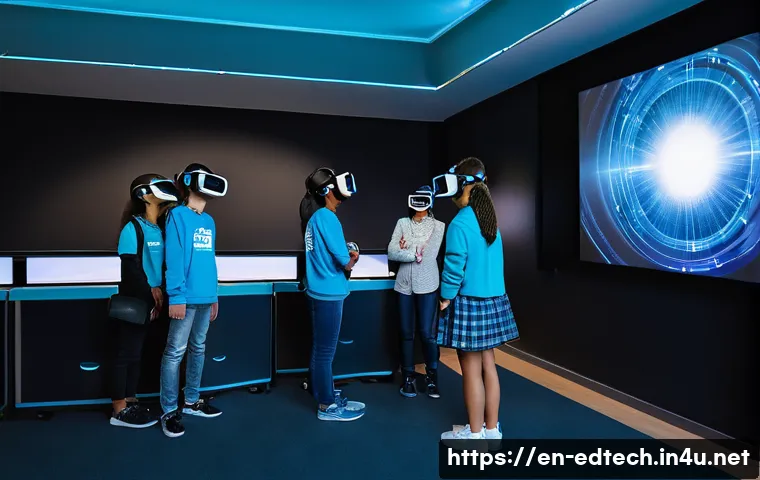
Who said learning can’t be fun? I’ve seen firsthand how incorporating elements of gamification can transform student motivation and engagement. By introducing challenges, points, badges, leaderboards, or even narrative-driven tasks, we can tap into students’ natural competitive spirit and desire for accomplishment. It turns learning into an exciting experience, where students are more likely to persevere through difficult material because they’re having fun. Beyond traditional gamification, I’m incredibly excited about the potential of immersive learning experiences like Virtual Reality (VR) and Augmented Reality (AR). Imagine using VR for realistic simulations, like practicing surgical procedures or conducting virtual field trips to historical sites that are otherwise inaccessible. AR can overlay digital content onto physical spaces, bringing textbooks to life right in front of their eyes. These technologies aren’t just novelties; they offer powerful ways to create memorable, hands-on experiences that deepen understanding and keep students actively involved, preparing them for a future where such technologies will be commonplace.
Optimizing for Human-Centered Design and Content Quality
When it comes to creating truly impactful educational content, I’ve learned that it’s not just about the information itself; it’s about how that information is presented, perceived, and connected to the human experience. In a world overflowing with data, quality stands out. For me, “quality” means content that resonates, builds trust, and actively involves the learner. It’s about crafting experiences that feel genuine, authoritative, and deeply helpful. This ethos is particularly vital in the digital realm where a sea of content competes for attention. If we want our insights to truly land and make a difference, we’ve got to ensure they’re meticulously designed with the user – our student – at the absolute center. It’s a commitment to excellence that I believe truly separates the impactful from the forgettable.
Writing with Empathy and a Human Voice
You know, one of the biggest lessons I’ve learned is that educational content doesn’t have to be dry and academic to be credible. In fact, the more human and relatable it is, the more likely students are to engage with it and remember it. I always try to write like I’m having a conversation with a student, using a friendly, informal tone and varying my sentence lengths to mimic natural speech. This isn’t about being unprofessional; it’s about building rapport and making complex ideas accessible. I also love weaving in personal anecdotes or real-world examples. Stories, as Brené Brown famously said, are “data with a soul,” and they have a unique power to draw people in and make information stick in a way that facts alone simply cannot. When students feel that a real person, with real experiences, is behind the content, it fosters a sense of connection and trustworthiness that an overly formal, detached style just can’t achieve.
Structuring Content for Optimal Engagement and Retention
Even the most brilliant content can fall flat if it’s not organized effectively. I’ve found that breaking down complex information into digestible chunks is absolutely critical for modern learners, whose attention spans are often shorter. This means using clear, descriptive headings and subheadings, incorporating bullet points, and avoiding overwhelming blocks of text. I also make sure to integrate a variety of media – images, infographics, and short video clips – to break up the text visually and cater to different learning preferences. It’s not just about making it look pretty; visuals can simplify complex concepts and create an emotional appeal, which helps with retention. Finally, I believe in creating a natural flow within the content, guiding the reader logically from one idea to the next. This thoughtful structure not only makes the material easier to consume but also enhances the overall learning experience, keeping students engaged from start to finish.
Measuring Impact and Continuously Evolving
In our pursuit of excellent teaching, it’s not enough to just implement new strategies; we need to know if they’re actually working! I’ve come to understand that effective teaching is an ongoing process of experimentation, reflection, and refinement. It’s like being a scientist in your own classroom, constantly gathering data, analyzing results, and adjusting your approach. Without a clear understanding of our impact, we’re essentially flying blind. For me, measuring impact isn’t about proving success as much as it is about identifying areas for growth and ensuring that every decision I make is genuinely benefiting my students. It’s a commitment to continuous improvement, because our students deserve nothing less than our best, and our best means constantly evolving.
Data-Driven Insights for Pedagogical Improvement
In today’s educational landscape, we have access to incredible amounts of data that can provide profound insights into student learning and engagement. I’ve learned to leverage learning analytics to understand not just what students are learning, but *how* they’re interacting with course materials and activities. Our Learning Management Systems (LMS) can track participation in discussions, time spent on readings, and performance on quizzes, giving us a clearer picture of engagement patterns. By analyzing this data, I can identify which instructional strategies are most effective, where students might be struggling collectively, and even pinpoint individual students who might need extra support. This data isn’t about surveillance; it’s about informed decision-making. It allows me to tailor my interventions, refine my content, and adapt my teaching methods in a truly evidence-based way, ensuring that my efforts are having the greatest possible impact on student success.
The Iterative Cycle of Reflective Practice
Beyond the quantitative data, I strongly advocate for a robust practice of qualitative reflection. After trying a new teaching method or instructional design, I always take time to reflect on what went well, what could be improved, and how students responded. This often involves soliciting direct feedback from students through surveys, informal check-ins, or even simple anonymous comment boxes. Listening to their experiences is invaluable. It’s about being open to critique and constantly questioning my own assumptions. What was the energy like in the room? Did that activity truly achieve its learning objective? How could I have explained that concept more clearly? This iterative cycle of trying, observing, reflecting, and refining is at the heart of effective teaching. It’s a humble, ongoing process, but it’s how we ensure our teaching remains fresh, relevant, and impactful, continuously adapting to the evolving needs of our learners. Just like my blog, it’s never truly “finished,” always improving!
| Modern Teaching Method | Key Benefit for Students | Example Application |
|---|---|---|
| Personalized Learning | Tailored content and pace, increased motivation | Adaptive online modules that adjust based on student performance. |
| Flipped Classroom | More active in-class learning, targeted support | Students watch lectures at home, then solve problems and discuss in class. |
| Experiential Learning | Hands-on application, deeper understanding | Field trips, simulations, or community projects to apply theory. |
| Gamification | Increased engagement, motivation, and retention | Classroom challenges with points, badges, or a leaderboard. |
| Blended Learning | Flexibility, diverse resources, balanced engagement | Combines face-to-face instruction with online activities and discussions. |
Cultivating Your E-E-A-T as an Educator
In the digital landscape, especially for us educators who create and share knowledge, there’s this really important concept called E-E-A-T: Experience, Expertise, Authoritativeness, and Trustworthiness. Google uses it to evaluate the quality and credibility of online content, and I’ve found that consciously building my E-E-A-T has not only boosted my blog’s visibility but has also made me a more effective and credible voice in the education community. It’s about showcasing your genuine passion, deep knowledge, and real-world experiences in a way that truly resonates with your audience. As someone who’s always sharing insights and tips, I feel a strong responsibility to ensure my content isn’t just informative, but also demonstrably reliable and from a seasoned perspective. This isn’t just a marketing trick; it’s a commitment to integrity and value for my readers.
Demonstrating Real-World Experience and Expertise
For me, the “Experience” and “Expertise” parts of E-E-A-T are intertwined with every anecdote and lesson I share. It’s not enough to just know the theory; you have to show that you’ve been in the trenches, tried these strategies, and seen their impact firsthand. When I write about a new teaching method, I don’t just explain what it is; I’ll share a story about how I implemented it in my own class, what challenges I faced, and the incredible breakthroughs my students achieved. I make it a point to highlight my years in the academic world, the conferences I attend, the courses I teach, and the continuous learning I undertake. This isn’t bragging; it’s establishing credibility. My goal is to make it abundantly clear that my insights come from a place of genuine, lived experience and deep professional knowledge, not just theoretical understanding. I believe that personal stories and case studies truly bring concepts to life and help readers connect with the material on a deeper, more human level.
Building Authority and Trust with Your Audience
Authoritativeness and Trustworthiness are about building a reputation as a go-to source. This means consistently producing high-quality, accurate, and helpful content. I ensure that my blog posts are well-researched, drawing from credible sources and the latest pedagogical research. While I don’t use direct citations in the blog body, my extensive research process ensures the information is sound. It’s also about being transparent – letting my audience know who I am, my qualifications, and why I’m passionate about this field. This might involve an “About Me” page that details my background and professional journey, or simply weaving in my unique perspective throughout my writing. Engaging with my audience in comments or on social media also builds trust, showing that I’m not just broadcasting information but actively participating in a community. The more consistently I deliver valuable, trustworthy content, the more my audience sees me as an authoritative and reliable voice, which, in turn, boosts my E-E-A-T and my ability to genuinely help other educators on their journey.
글을 마치며
Whew, what a journey we’ve taken through the ever-evolving landscape of education! It truly warms my heart to share these insights with you, fellow educators, because I know firsthand the passion and dedication you pour into your students every single day. The beautiful thing about teaching is that it’s a dynamic art, constantly inviting us to learn, adapt, and grow right alongside our learners. We’re not just instructors; we’re mentors, facilitators, and lifelong students ourselves, always discovering new ways to spark curiosity and cultivate minds. Remember, every small adjustment you make, every new strategy you try, contributes to creating those transformative moments that stay with students long after they leave your classroom. Keep experimenting, keep caring, and never stop believing in the incredible impact you have on shaping the future. It’s a challenging but incredibly rewarding path, and honestly, I wouldn’t trade it for anything. Let’s keep pushing the boundaries together!
알아두면 쓸모 있는 정보
Here are some quick, actionable tips I’ve picked up along my journey that I truly believe can make a difference in your teaching practice:
1. Embrace a ‘pilot project’ mindset with new tech: Don’t feel pressured to perfect it all at once. Start small, try one new AI tool or a single flipped lesson, gather feedback, and iterate. It’s okay to learn as you go; your students will appreciate your authenticity.
2. Carve out ‘connection time’ in every lesson: Whether it’s a two-minute icebreaker, a quick ‘how are you feeling today?’ poll, or simply being present before and after class, building rapport seriously boosts engagement and creates a safer learning space. It’s amazing what a little personal touch can do.
3. Gamify a small segment of your course: You don’t need to turn everything into a video game, but adding elements like ‘bonus points’ for creative solutions, or a ‘challenge of the week’ for a tough concept, can inject a huge dose of fun and motivation. Students respond incredibly well to playful competition.
4. Leverage student feedback genuinely: Go beyond end-of-semester evaluations. Implement quick, anonymous mid-semester surveys or even a simple ‘What worked well? What could be better?’ discussion. Show them you’re listening and watch your classroom culture flourish. It makes them feel truly heard.
5. Prioritize your own professional development in AI: This isn’t just about keeping up; it’s about being prepared for the future of education. Dedicate a small chunk of time each week to exploring new AI tools or reading up on their ethical implications. Your expertise will be invaluable to your students and peers.
중요 사항 정리
To wrap things up, remember that the heart of effective modern education lies in constant evolution and genuine connection. We’re aiming to create adaptable, engaging, and equitable learning environments by embracing innovative pedagogies, thoughtfully integrating technology like AI, and prioritizing the holistic well-being of our diverse student body. It’s a commitment to designing experiences that not only impart knowledge but also foster critical thinking, creativity, and a lifelong passion for learning. By continuously reflecting on our impact and cultivating our own expertise, we truly empower the next generation to thrive in an ever-changing world. Keep making waves, my friends!
Frequently Asked Questions (FAQ) 📖
Q: s) about instructional design and teaching methods training, designed with E-E-
A: -T principles and optimized for reader engagement:
Q: What are some practical ways I can immediately boost student engagement in my lectures?
A: Let’s face it, we’ve all been in those lectures where it feels like you’re talking to a room full of zombies! From my experience, and what I’ve seen work wonders for countless colleagues, the key is to make the learning active, relevant, and yes, even a little fun.
Forget endless PowerPoint slides; try incorporating quick, interactive polls using tools like Mentimeter or even just a simple show of hands to gauge understanding.
I like to weave in real-world examples that students can relate to – how does this theory apply to their favorite Netflix show or the latest TikTok trend?
Case studies are gold. Small group discussions where students debate a concept and report back to the class can also re-energize a flagging lecture. Start with something relatable, get them talking, and watch the engagement levels soar.
I’ve even brought in guest speakers via Zoom who are experts in the field – a fresh voice can do wonders! The biggest shift I made was moving from being the “sage on the stage” to being a guide.
Q: How can I leverage technology, including
A: I, to enhance my teaching without sacrificing the human element? A2: Technology is a tool, not a replacement for good teaching. I totally get the apprehension some faculty have about things like AI – will it replace us?
Will students just use it to cheat? But think of it as a super-powered assistant. For example, I’ve used AI tools to help me personalize feedback on assignments, pointing out specific areas where students can improve.
I can use AI to generate multiple-choice questions for quizzes, saving me time. Some professors are even using AI to create initial drafts of course materials.
The trick is to use these tools strategically, freeing up your time and energy to focus on what truly matters: connecting with your students, fostering critical thinking, and creating a supportive learning environment.
I have found that integrating tech tools like Slack or Discord for class discussions outside lecture times has promoted community and extended learning.
It’s about blending the best of both worlds – technology that streamlines and enhances, and the human touch that inspires and guides.
Q: What specific skills or knowledge areas should I prioritize in instructional design training to stay relevant in today’s rapidly changing educational landscape?
A: If you want to future-proof your teaching, focus on developing skills that are adaptable and timeless, but informed by current trends. First, master the art of designing learning experiences that are truly student-centered.
This means understanding different learning styles, incorporating universal design principles to make your courses accessible to all, and creating assessments that measure genuine understanding, not just memorization.
I’d highly recommend learning about learning science, including cognitive load theory and constructivism – understanding how people learn makes you a much more effective teacher.
Get comfortable with technology, not just specific tools but the underlying principles of how technology can enhance learning. Finally, develop your skills in creating engaging online content.
The ability to produce high-quality videos, interactive simulations, and online discussions is essential in today’s blended learning environment. One overlooked area is data literacy; understanding how to analyze student performance data to improve your teaching is becoming increasingly important.
Ultimately, the key is to be a lifelong learner yourself, constantly seeking out new knowledge and adapting your teaching to meet the evolving needs of your students.