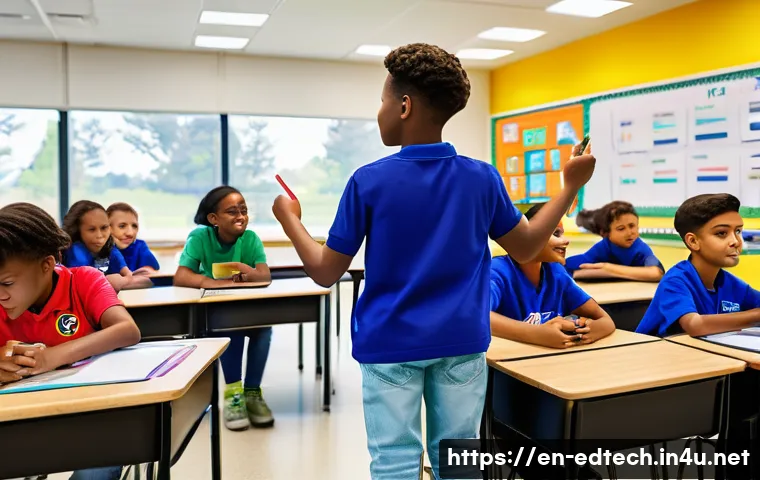
Understanding learning theories is essential for anyone passionate about education and instructional design. These theories offer valuable insights into how people acquire knowledge, develop skills, and retain information.

By exploring various approaches—from behaviorism to constructivism—we can create more effective and engaging learning experiences. Whether you’re an educator, a trainer, or just curious about how learning works, grasping these concepts will enhance your ability to facilitate growth.
Let’s dive deeper and uncover the fascinating world of learning theories together!
How Motivation Shapes the Learning Journey
Intrinsic vs. Extrinsic Motivation
When it comes to learning, motivation acts like the fuel that powers the entire process. Intrinsic motivation is that inner spark—when you learn because you’re genuinely curious or passionate about a subject.
Extrinsic motivation, on the other hand, comes from external rewards like grades, praise, or even money. From my own teaching experience, I’ve noticed students who are intrinsically motivated tend to dive deeper and retain information longer, while extrinsic motivators can sometimes kickstart engagement but don’t always sustain it over time.
Balancing these two can be tricky but incredibly rewarding when done right.
The Role of Goal Setting in Learning
Setting clear, achievable goals can dramatically change how learners approach their studies. I’ve seen firsthand that when learners break down big, intimidating tasks into smaller, manageable goals, their confidence skyrockets.
It’s like climbing a mountain; focusing on one step at a time makes the whole journey less daunting. Plus, hitting those milestones releases dopamine, reinforcing the desire to keep going.
Whether it’s mastering a language or learning a new skill, goal-setting strategies are an essential part of effective instruction.
Self-Efficacy: Believing You Can Learn
Belief in one’s ability to learn, known as self-efficacy, is a game-changer. I recall working with learners who initially doubted their capacity but gradually built confidence through small wins and supportive feedback.
This sense of self-efficacy encourages persistence even when challenges arise. It’s why creating an environment where mistakes are seen as learning opportunities, not failures, is so crucial.
When learners feel capable, they’re more likely to take risks and explore new ideas without fear.
How Our Brains Process and Store Information
Encoding: Making Sense of New Information
Encoding is the first step where the brain transforms incoming information into a form it can store. Think of it like translating a foreign language into your native tongue.
From my experience, learners who engage actively—by taking notes, asking questions, or summarizing concepts—encode information more effectively. Passive listening rarely cuts it.
The more senses involved, the better: combining visuals, sounds, and movement helps cement knowledge much more firmly.
The Power of Spaced Repetition
One technique that truly revolutionized my study habits is spaced repetition. Instead of cramming, revisiting material over increasing intervals strengthens memory recall.
It’s like watering a plant regularly rather than flooding it once and hoping it grows. This approach aligns perfectly with how our neural pathways strengthen over time with repeated exposure.
Many language apps and educational tools now incorporate this method, and it’s a testament to how understanding brain science can improve learning efficiency.
Chunking Information to Avoid Overload
Chunking is a strategy where complex information is broken down into smaller, more digestible pieces. Imagine trying to remember a 12-digit phone number all at once—it’s nearly impossible.
But if you split it into three or four chunks, it becomes manageable. I’ve noticed that chunking not only makes learning less overwhelming but also helps with organizing knowledge logically, making retrieval faster and easier during tests or real-world application.
Creating Meaning Through Social Interaction
Collaborative Learning: More Than Just Group Work
Social interaction is a cornerstone of meaningful learning experiences. Collaborative learning isn’t just about putting people together; it’s about sharing perspectives, challenging ideas, and building knowledge collectively.
From my classroom observations, learners who engage in thoughtful discussions and peer teaching tend to develop a deeper understanding and critical thinking skills.
The social context adds layers of meaning that solitary study often lacks.
Feedback: The Dialogue That Drives Improvement
Feedback is more than a grade or a comment—it’s a dialogue that shapes the learning path. I’ve found that timely, specific, and constructive feedback motivates learners to reflect and adjust their strategies.
It’s essential that feedback is framed positively to encourage growth rather than trigger discouragement. When learners understand what they’re doing well and where they can improve, they take ownership of their progress.
Modeling and Observational Learning
Watching others can be a powerful teacher. Observational learning, where learners imitate behaviors or strategies modeled by others, is something I’ve used extensively in training sessions.
Whether it’s demonstrating a skill or showing problem-solving approaches, modeling helps learners internalize processes that might be difficult to grasp through explanation alone.
This social aspect is particularly effective in hands-on or practical learning environments.

Adapting Learning Strategies for Different Needs
Personalized Learning: Tailoring to Individual Strengths
No two learners are alike, which is why personalized learning has become a buzzword in education. From experience, when instruction aligns with a learner’s interests, prior knowledge, and preferred style, engagement and outcomes improve significantly.
Technology now allows educators to customize content and pacing, but even simple adjustments—like offering choices in assignments—can make a huge difference.
Addressing Learning Challenges with Flexibility
Learning is rarely a smooth ride; obstacles and challenges pop up. I’ve worked with learners who struggle with attention, memory, or anxiety, and the key is flexibility.
Adapting teaching methods, providing additional support, or incorporating assistive technologies can level the playing field. Recognizing and respecting these differences is crucial for creating inclusive environments where everyone has the chance to succeed.
Blending Traditional and Digital Techniques
The modern learner often straddles the line between analog and digital worlds. Combining traditional methods like storytelling, hands-on activities, and face-to-face interaction with digital tools such as apps, videos, and virtual simulations creates a richer learning experience.
From my perspective, this blend caters to diverse preferences and keeps learners engaged by varying the delivery and interaction modes.
Understanding How Motivation and Memory Intersect
Emotional Connection Enhances Retention
I’ve noticed that when learners emotionally connect with material, whether through storytelling or real-world relevance, their memory retention skyrockets.
Emotions act like a highlighter for the brain, making certain information stand out. This insight has encouraged me to incorporate narratives and examples that resonate personally with learners, transforming dry facts into memorable experiences.
The Role of Rewards and Reinforcement
Positive reinforcement isn’t just for children—it works across all ages. From my teaching practice, rewarding progress, no matter how small, encourages continued effort and builds momentum.
The key is to keep rewards meaningful and aligned with the learner’s values rather than arbitrary. This approach taps into the brain’s reward system and makes the learning process more enjoyable and sustainable.
Overcoming Forgetting Through Active Recall
Forgetting is natural, but active recall techniques can fight it effectively. Rather than rereading notes passively, actively trying to retrieve information from memory strengthens neural connections.
I often suggest learners quiz themselves or explain concepts aloud as if teaching someone else. These practices not only improve retention but also boost confidence when facing exams or practical applications.
Comparing Core Learning Approaches at a Glance
| Learning Approach | Key Characteristics | Typical Application | Strengths | Limitations |
|---|---|---|---|---|
| Behaviorism | Focus on observable behaviors, reinforcement, and conditioning | Skill drills, habit formation, classroom management | Clear structure, measurable outcomes | May neglect internal thought processes, creativity |
| Cognitivism | Emphasizes mental processes like memory, problem-solving | Instructional design, problem-based learning | Deep understanding, promotes critical thinking | Can be complex to implement, less focus on emotion |
| Constructivism | Learning as active construction of knowledge through experience | Project-based learning, collaborative environments | Encourages exploration, personal meaning | May lack structure, challenging for novices |
| Social Learning | Learning through observation, imitation, social interaction | Peer learning, mentoring, group projects | Builds communication skills, motivation | Dependence on group dynamics, potential for misinformation |
In Conclusion
Motivation and memory play vital roles in shaping how we learn and retain knowledge. By understanding the different types of motivation, the brain’s processing methods, and the power of social interaction, learners can craft more effective and enjoyable learning experiences. Tailoring strategies to individual needs and reinforcing positive habits help unlock true potential. Embracing these insights transforms the learning journey into a dynamic and rewarding process.
Useful Information to Keep in Mind
1. Intrinsic motivation fuels deeper engagement, but combining it with extrinsic rewards can jumpstart and sustain learning.
2. Breaking goals into smaller, achievable steps boosts confidence and keeps momentum steady.
3. Active participation, like note-taking and discussion, enhances how the brain encodes information.
4. Incorporating spaced repetition and chunking techniques improves long-term memory retention.
5. Personalized learning and flexible approaches create inclusive environments where every learner can thrive.
Key Takeaways
Understanding motivation types helps maintain learner engagement over time. Effective learning relies on clear goal-setting and fostering self-efficacy through supportive feedback. Combining cognitive strategies like encoding, spaced repetition, and chunking with social learning methods enriches comprehension and retention. Adapting techniques to individual strengths and challenges ensures a more inclusive, successful educational experience. Remember, learning is a personal journey shaped by both the mind and the environment around it.
Frequently Asked Questions (FAQ) 📖
Q: What are the main types of learning theories, and how do they differ from each other?
A: The main learning theories include behaviorism, cognitivism, and constructivism. Behaviorism focuses on observable behaviors and how they’re shaped by stimuli and responses, often using reinforcement or punishment.
Cognitivism dives into the mental processes behind learning, like memory and problem-solving, emphasizing how information is processed internally. Constructivism, on the other hand, suggests learners actively build their own understanding through experience and reflection.
Each theory offers a different lens on how learning happens, which helps educators choose strategies that best fit their teaching goals.
Q: How can understanding learning theories improve instructional design?
A: Knowing learning theories allows instructional designers to create more tailored and effective learning experiences. For example, if you understand behaviorism, you might incorporate clear rewards or feedback to motivate learners.
With cognitivism, you’d focus on organizing content logically to support mental processing. Constructivism encourages creating interactive, real-world problem-solving activities that engage learners deeply.
From my experience, blending these approaches based on your audience’s needs leads to higher engagement and better knowledge retention, making your training or lessons far more impactful.
Q: Can learning theories be applied outside of traditional education settings?
A: Absolutely! Learning theories aren’t just for classrooms—they’re powerful tools in workplaces, online courses, coaching, and even everyday life. For instance, behaviorism principles are often used in employee training to reinforce safety practices.
Cognitivism helps in designing apps that improve memory or focus, while constructivism supports mentorship programs where learners explore solutions collaboratively.
From what I’ve seen, understanding these theories helps anyone who wants to facilitate meaningful learning, no matter the environment.