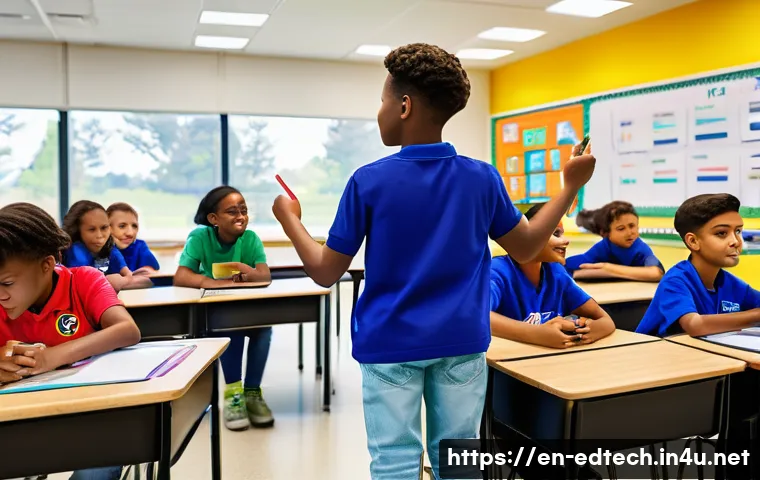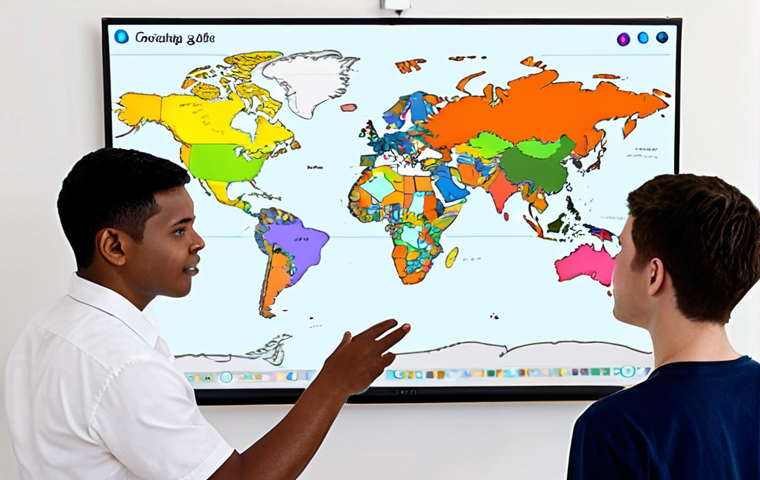
Remember those endless hours poring over textbooks alone, hoping it would all stick? It felt like a solo expedition, didn’t it? Well, the world of learning has truly undergone a seismic shift, and honestly, it’s exhilarating to witness.
My own journey, both as a student struggling to retain information and later as someone deeply immersed in how people truly learn, has shown me time and again that the old ways are fading fast.
Now, imagine a learning environment where technology isn’t just a tool, but a vibrant, interconnected ecosystem, and where learning isn’t a solitary climb but a shared adventure.
This is precisely where educational technology and social learning beautifully converge, crafting experiences that are not only more effective but profoundly human.
We’re talking about everything from AI-powered personalized paths adapting to *your* unique pace, leveraging the latest advancements in natural language processing to provide instant, tailored feedback, to collaborative platforms that transform group projects into genuine global brainstorming sessions.
It’s a dynamic space, constantly evolving with new insights into how we best acquire knowledge and skills in this digital age, grappling with challenges like the digital divide while pushing boundaries with virtual reality classrooms.
So, what does this brave new world of interconnected learning truly entail, and how can we leverage its power for a more engaging, impactful future? Let’s uncover the full picture together.
Remember those endless hours poring over textbooks alone, hoping it would all stick? It felt like a solo expedition, didn’t it? Well, the world of learning has truly undergone a seismic shift, and honestly, it’s exhilarating to witness.
My own journey, both as a student struggling to retain information and later as someone deeply immersed in how people truly learn, has shown me time and again that the old ways are fading fast.
Now, imagine a learning environment where technology isn’t just a tool, but a vibrant, interconnected ecosystem, and where learning isn’t a solitary climb but a shared adventure.
This is precisely where educational technology and social learning beautifully converge, crafting experiences that are not only more effective but profoundly human.
We’re talking about everything from AI-powered personalized paths adapting to *your* unique pace, leveraging the latest advancements in natural language processing to provide instant, tailored feedback, to collaborative platforms that transform group projects into genuine global brainstorming sessions.
It’s a dynamic space, constantly evolving with new insights into how we best acquire knowledge and skills in this digital age, grappling with challenges like the digital divide while pushing boundaries with virtual reality classrooms.
So, what does this brave new world of interconnected learning truly entail, and how can we leverage its power for a more engaging, impactful future? Let’s uncover the full picture together.
The Dawn of Collective Intelligence: Beyond Rote Memorization
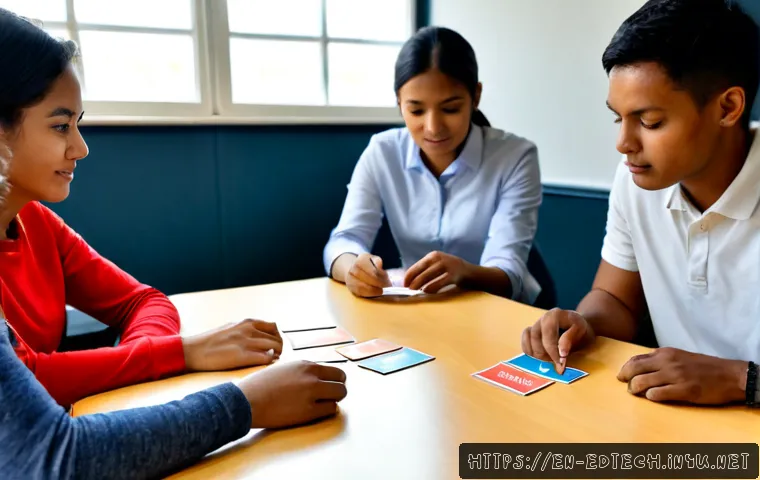
I remember sitting through lectures, desperately trying to jot down every word, feeling like a sponge absorbing water only to have most of it evaporate by the next day. It was a passive experience, really. But what I’ve seen unfold in the last few years, as I’ve dived headfirst into the ed-tech space, is nothing short of revolutionary. We’re moving away from that isolated, individualistic model towards one where learning isn’t just about what you know, but who you learn with and how you interact. Think about it: when you’re discussing a complex topic with peers, each person brings a different perspective, a unique lens through which to view the problem. This isn’t just about getting answers; it’s about building a deeper, more nuanced understanding that simply isn’t possible when you’re navigating concepts alone. I’ve witnessed firsthand how a struggling student, previously disengaged in a traditional setting, absolutely lights up when given the chance to collaborate on a project using a shared digital workspace. The energy shifts, the questions become more probing, and the answers become richer, often leading to ‘aha!’ moments that stick because they were co-created. This collective intelligence, fueled by digital tools, transforms the learning landscape into an active, vibrant forum where every voice has the potential to contribute to a shared pool of knowledge.
1. From Isolation to Interaction: The Power of Peer Connection
There’s a unique magic that happens when individuals connect over a shared learning goal. In the old days, that might have meant a study group in the library, which was great, but often limited by geography and schedules. Now, with platforms like dedicated learning management systems or even specialized social media groups, the boundaries just dissolve. I’ve personally joined forums where learners from different continents tackle the same coding challenge or analyze the same literary text. The diversity of thought that emerges is astounding. It’s not just about getting help when you’re stuck; it’s about seeing how someone in Tokyo approaches a problem versus someone in London, or how a concept resonates differently across cultural contexts. This constant, fluid exchange fosters not only better comprehension but also crucial soft skills like communication, empathy, and constructive criticism. It truly feels like a global classroom, breaking down the walls that once confined our educational experiences to physical spaces.
2. Amplifying Voices: How Digital Tools Facilitate Rich Dialogue
One of the most profound shifts I’ve observed is how digital tools give a voice to learners who might otherwise be hesitant to speak up in a traditional classroom setting. For introverted students, or those who need more time to process information, online discussion boards or collaborative document editing allow for thoughtful, measured contributions. I’ve seen incredibly insightful comments from students who rarely spoke in live sessions, simply because the digital environment gave them the space and time to formulate their thoughts without immediate pressure. Features like asynchronous discussions mean that learning isn’t confined to a specific time slot; insights can be shared and built upon 24/7. This constant dialogue, facilitated by everything from shared whiteboards to integrated video conferencing, creates a persistent learning community where ideas are constantly flowing, challenged, and refined, leading to a much deeper and more enduring understanding of the subject matter.
Crafting Personalized Journeys: Adapting Education to Every Learner
For years, education felt like a one-size-fits-all conveyor belt. Everyone moved at the same pace, regardless of their prior knowledge, learning style, or even their personal interests. As someone who always felt either ahead in some subjects and lagging in others, I yearned for a more adaptable system. And honestly, this is where educational technology, particularly when infused with social learning principles, truly shines. We’re moving into an era where learning paths can genuinely be tailored to the individual. Imagine an AI tutor that not only identifies your weak points but also recommends specific peer groups or collaborative projects where you can strengthen those areas, or connects you with a mentor who has expertise in exactly what you’re struggling with. It’s not just about remedial help; it’s about optimizing for growth, helping each learner find their optimal pace and method. I’ve seen the sheer relief and renewed motivation in students when they realize they don’t have to keep up with the fastest in the class, or wait for the slowest. Instead, they can progress at their own rhythm, with resources and support systems that are specifically designed for *them*. This level of personalization, powered by smart algorithms and enriched by human connection, makes learning feel less like a chore and more like a bespoke adventure.
1. AI-Powered Adaptive Learning: Your Personal Guide
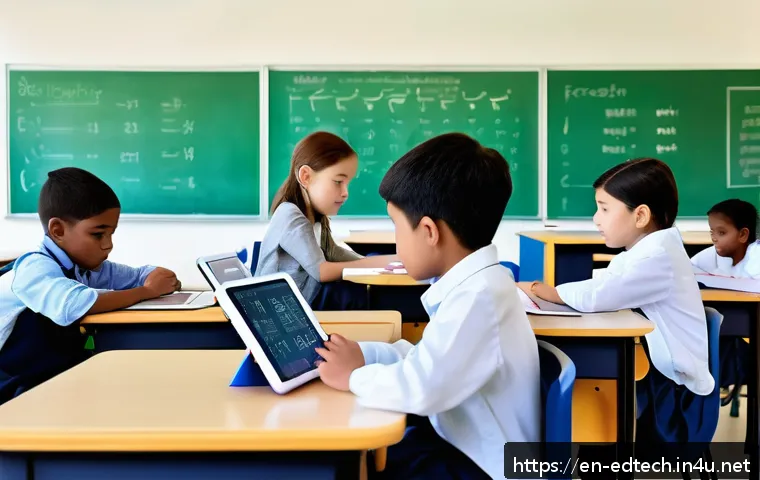
Gone are the days of rigid curricula. With AI-powered adaptive learning platforms, the content itself can flex and bend to meet individual needs. From my own exploration of these systems, what truly stands out is their ability to continuously assess understanding and adjust the difficulty or presentation of material in real-time. If you grasp a concept quickly, it moves you forward; if you struggle, it provides additional resources, different explanations, or even suggests a small group session with peers who are also working on that specific challenge. It’s like having a dedicated tutor who not only knows your current knowledge level but also understands *how* you learn best, whether that’s through visual aids, interactive simulations, or practical exercises. This intelligent adaptation ensures that no time is wasted on what you already know, and ample support is provided where it’s most needed, creating a highly efficient and deeply engaging learning experience that feels uniquely your own.
2. Blending Digital and Human Mentorship: A Holistic Approach
While AI can personalize content delivery, the human element in mentorship remains irreplaceable, and this is where the synergy with social learning truly blossoms. I’ve found that the most effective personalized learning environments combine the precision of AI with the empathy and nuanced understanding of human mentors. For instance, an AI might flag that a student is consistently struggling with a particular mathematical concept, but a human mentor can then step in, understand the root cause – perhaps a specific type of anxiety, or a misunderstanding that an algorithm might miss – and provide targeted, compassionate guidance. Furthermore, peer mentorship, facilitated by digital platforms, allows advanced learners to support those who are struggling, reinforcing their own understanding while building leadership skills. This blend ensures that personalization isn’t just about content, but also about emotional support, community building, and the development of interpersonal skills essential for navigating the real world.
The Educator’s Evolving Role: From Lecturer to Facilitator
I distinctly remember teachers standing at the front of the classroom, delivering information as if from a sacred scroll. Their role was primarily to disseminate knowledge. But the landscape has irrevocably shifted. With vast amounts of information readily available online, the educator’s role is no longer just about content delivery. It’s transformed into something far more dynamic and impactful: that of a facilitator, a guide, a mentor, and even a community builder. I’ve seen incredible teachers embrace this transition, moving from simply lecturing to orchestrating rich, collaborative learning experiences. They now design projects that require students to engage with diverse online resources, connect with experts globally, and present their findings in innovative ways. This shift is not about diminishing the teacher’s importance; rather, it elevates it, demanding new skills in curating resources, fostering critical thinking, managing digital collaborative spaces, and providing truly personalized feedback. It’s a challenging but incredibly rewarding evolution that makes the classroom, whether physical or virtual, a much more engaging and effective place to learn.
1. Orchestrating Collaborative Learning Environments
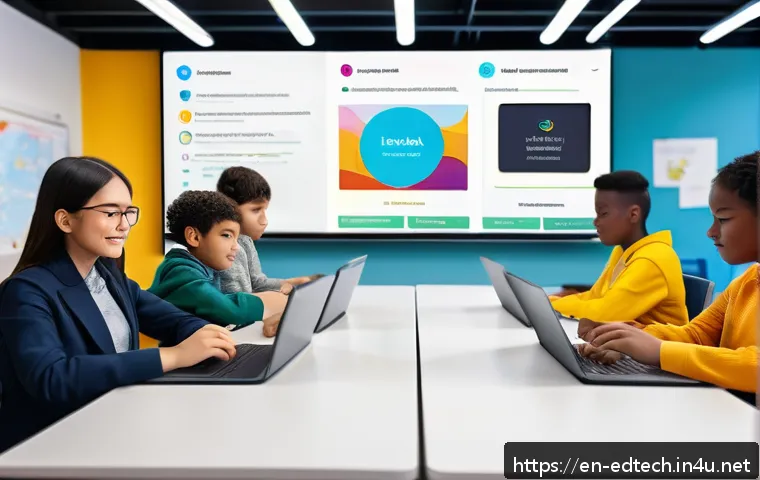
The modern educator, in my experience, is less of a sage on the stage and more of a guide on the side, but a highly skilled one at that. Their new superpower lies in their ability to design and manage engaging collaborative activities. They’re no longer just planning lessons; they’re curating digital tools, setting up group projects on platforms that allow for real-time collaboration, and fostering a culture of peer-to-peer learning. I’ve observed educators masterfully using breakout rooms in virtual sessions, directing discussions on online forums, and even connecting their students with real-world professionals for mentorship opportunities. This requires not only technological fluency but also a deep understanding of group dynamics and effective communication strategies. The goal is to move beyond mere information transfer and towards the co-creation of knowledge, where the teacher’s role is to ensure every student is engaged, supported, and challenged to contribute meaningfully to the collective understanding.
2. Data-Driven Insights and Personalized Feedback
Another monumental shift I’ve witnessed in the educator’s role is the increasing reliance on data for personalized feedback and intervention. Modern educational technology platforms provide teachers with a wealth of insights into student performance, engagement levels, and even typical learning patterns. For example, a dashboard might show which concepts an entire class is struggling with, or highlight an individual student who consistently gets stuck on a particular type of problem. This data isn’t just for grading; it’s a powerful diagnostic tool. I’ve seen teachers use these insights to tailor their next lesson, provide targeted one-on-one support, or suggest specific collaborative activities to address common misconceptions. This data-driven approach, combined with the human intuition and empathy of a skilled educator, allows for incredibly precise and effective feedback, ensuring that every student receives the support they need to thrive, moving far beyond generic comments on assignments.
Navigating the Digital Landscape: Challenges and Equitable Access
While the promise of educational technology and social learning is immense, it would be disingenuous to ignore the very real hurdles we face. From my vantage point, immersed in this field, the challenges are as significant as the opportunities, and they demand our urgent attention. The “digital divide” isn’t just a buzzword; it’s a stark reality where access to reliable internet, modern devices, and even digital literacy skills varies dramatically, creating an uneven playing field. I’ve personally seen rural communities struggle with slow internet speeds that make real-time collaboration impossible, or families with multiple children sharing a single, outdated laptop. Moreover, the sheer volume of digital tools can be overwhelming for both educators and learners, leading to “tech fatigue” if not managed thoughtfully. There are also critical discussions around data privacy and the ethical implications of AI in learning, ensuring that personalized learning doesn’t inadvertently lead to biased outcomes or compromise student data. Overcoming these challenges isn’t just about throwing more technology at the problem; it requires thoughtful policy, community engagement, and a commitment to ensuring that these powerful new learning paradigms are truly accessible and beneficial for *everyone*, not just those who are already privileged. It’s a complex landscape, but one we must navigate with intention and equity at the forefront of our minds.
1. Bridging the Digital Divide: A Collective Responsibility
The stark reality is that for all the advancements in ed-tech, if students don’t have consistent, high-speed internet access or appropriate devices at home, the gap between those who can fully participate in modern social learning environments and those who cannot widens dramatically. I’ve consulted with school districts where significant portions of the student body rely solely on mobile hotspots or public Wi-Fi, making synchronous online collaboration nearly impossible. Addressing this requires a multi-faceted approach: government initiatives for broadband expansion, public-private partnerships for device provision, and community programs that offer accessible tech hubs. It’s not just about providing the tools; it’s about ensuring reliable, sustained access for every learner, regardless of their socioeconomic background or geographical location. Until we conquer this fundamental barrier, the full potential of interconnected learning will remain out of reach for too many, and that, to me, is simply unacceptable.
2. Cybersecurity and Data Privacy in Online Learning
As more of our learning shifts online, and as sophisticated AI systems gather data to personalize experiences, the importance of robust cybersecurity and strict data privacy protocols becomes paramount. I’ve had countless conversations with parents and educators concerned about who has access to student data, how it’s being used, and whether it’s truly secure. The reality is that personal learning analytics, while beneficial for tailoring education, also contain sensitive information that must be protected. Educational institutions and ed-tech companies have a solemn responsibility to implement state-of-the-art encryption, adhere to global privacy regulations like GDPR and FERPA, and be transparent about their data handling practices. It’s not just about compliance; it’s about building and maintaining trust within the learning community. Without that trust, the willingness to fully embrace collaborative online environments will inevitably be hampered, and rightly so. Ensuring a safe digital learning space is as critical as ensuring physical safety in a traditional classroom.
| Aspect | Traditional Learning Environment | Tech-Enhanced Social Learning Environment |
|---|---|---|
| Interaction Style | Primarily passive (lectures), limited peer-to-peer discussion | Active, dynamic (forums, group projects, virtual discussions), peer-to-peer learning is central |
| Resource Access | Limited to physical textbooks, library resources, teacher’s knowledge | Vast digital libraries, open educational resources, global expert connections |
| Feedback Mechanism | Delayed, generalized from teacher; limited peer review | Instant, personalized (AI-driven), comprehensive peer feedback, self-assessment tools |
| Flexibility | Rigid schedules, fixed locations, one-size-fits-all pace | Flexible scheduling, remote access, adaptive pacing based on individual needs |
| Skill Development Focus | Content knowledge, individual problem-solving | Collaboration, critical thinking, digital literacy, communication, global citizenship, emotional intelligence |
Cultivating Tomorrow’s Innovators: Skills Beyond the Textbook
If there’s one thing my journey in the digital learning space has taught me, it’s that the world our students are entering is vastly different from the one we grew up in. Rote memorization and individual performance, while still important, simply aren’t enough anymore. The workplace of today, and certainly of tomorrow, demands collaborative problem-solvers, critical thinkers, adaptable learners, and effective communicators. This is precisely where the convergence of educational technology and social learning truly shines, moving beyond mere academic achievement to cultivate the practical, human-centric skills that are absolutely essential for success. I’ve observed firsthand how students engaged in collaborative online projects develop an incredible sense of accountability to their peers, learning to manage diverse opinions and work towards a shared goal. They’re not just learning about teamwork; they’re *doing* it, in real-time, often with classmates they’ve never met in person. This immersive experience accelerates the development of skills that cannot be taught from a textbook, preparing them not just for exams, but for life and career in a rapidly evolving global landscape. It’s exciting to think about the kind of innovators and leaders these environments are fostering.
1. The Essential Four C’s: Communication, Collaboration, Critical Thinking, Creativity
In our increasingly interconnected world, the “Four C’s” are no longer just buzzwords; they are non-negotiable skills for navigating a complex global society and dynamic workforce. What I’ve found fascinating is how social learning, amplified by technology, provides an unparalleled environment for developing these competencies organically. When students work on a shared digital project, they’re constantly communicating their ideas, negotiating solutions, and providing constructive feedback – honing their communication skills in a very authentic context. Collaboration becomes second nature as they learn to leverage each other’s strengths. Critical thinking is sharpened as they evaluate diverse perspectives and problem-solve together in real-time. And creativity flourishes as they collectively brainstorm innovative approaches to complex challenges, often using digital tools that expand their expressive capabilities. It’s not about isolated lessons on these skills; it’s about embedding them into the very fabric of the learning process, making their development intuitive and deeply ingrained.
2. Building Global Citizenship Through Digital Connection
One of the most profound outcomes of tech-enhanced social learning, in my estimation, is its capacity to foster genuine global citizenship. I’ve seen students in virtual exchange programs collaborate on environmental projects with peers from different continents, or discuss social justice issues with young people from vastly different cultural backgrounds. These aren’t just superficial interactions; they are deep, meaningful exchanges that build empathy, broaden perspectives, and highlight the interconnectedness of our world. Through shared digital spaces, learners gain an appreciation for diversity, learn to navigate cross-cultural communication, and develop a sense of shared responsibility for global challenges. This kind of authentic exposure to diverse viewpoints, impossible for most in traditional settings, is absolutely vital for raising a generation that is not only knowledgeable but also compassionate, understanding, and equipped to contribute positively to a truly global society.
The Horizon of Learning: Immersive Futures and Lifelong Engagement
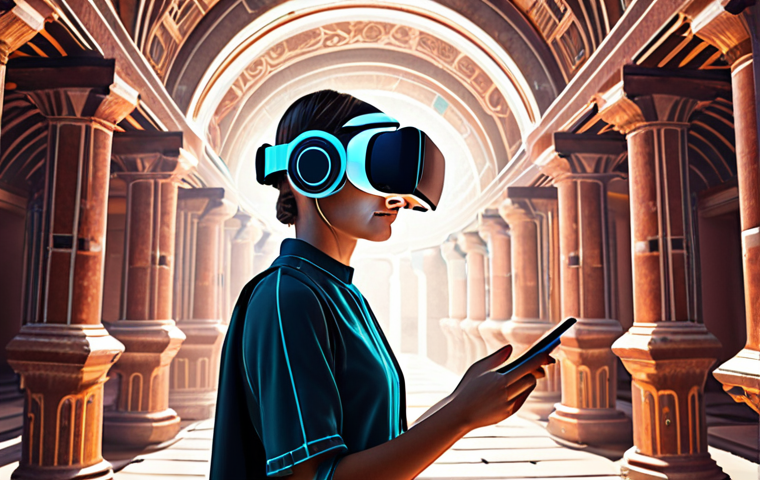
Looking ahead, the convergence of educational technology and social learning isn’t just about incremental improvements; it’s about opening up entirely new dimensions of human potential. I’m constantly amazed by the pace of innovation, from virtual reality classrooms that transport learners to ancient civilizations or into the human body, to augmented reality applications that allow us to interact with digital information in our physical surroundings. What’s most exciting is how these immersive technologies are being integrated with social elements. Imagine a group of medical students collaborating on a virtual dissection, or engineering students jointly designing a bridge within a shared simulated environment. These aren’t just passive experiences; they demand active participation, problem-solving, and real-time collaboration, deepening understanding in ways static textbooks simply cannot. Furthermore, as the world changes ever more rapidly, the concept of “lifelong learning” isn’t just a nice idea; it’s a necessity. And tech-enabled social learning environments are perfectly poised to support this, offering flexible, community-driven pathways for continuous skill development and knowledge acquisition, ensuring that learning isn’t a phase, but a perpetual journey. The future of learning, to me, looks incredibly bright and boundless.
1. Virtual and Augmented Reality: Learning Without Limits
When I first tried a VR headset for an educational simulation, I was genuinely blown away. It’s one thing to read about the human heart; it’s another entirely to virtually step inside it, observe its functions, and collaborate with peers who are also “inside” the same anatomical model, discussing observations in real-time. This level of immersion, coupled with social interaction, fundamentally changes the learning experience. AR, on the other hand, allows digital information to overlay our real world, enabling interactive learning experiences right in our physical environment. Imagine learning about architecture by pointing your tablet at a historical building and seeing its original design principles superimposed, then discussing its structural integrity with a study group in a shared AR space. These technologies move learning from abstract concepts to tangible, shared experiences that engage multiple senses and foster deeper understanding, transforming the very definition of a “classroom” into anything and anywhere.
2. Lifelong Learning: A Community-Driven Continuous Journey
The days of learning ending with a degree are long gone. In our fast-evolving world, continuous learning is not just an advantage; it’s a survival skill. And what I find most compelling about the marriage of educational technology and social learning is how it empowers this lifelong journey. Online communities, MOOCs (Massive Open Online Courses) with interactive forums, professional development platforms, and interest-based learning groups provide accessible, flexible avenues for adults to continually acquire new skills or deepen existing knowledge. I’ve seen retired professionals pick up new hobbies through online courses with global communities, or experienced marketers upskill on the latest digital tools by collaborating with peers in a dedicated forum. These platforms foster a sense of belonging and sustained motivation, making lifelong learning not a solitary pursuit but a vibrant, supportive community endeavor. It ensures that regardless of age or stage of life, anyone can remain engaged, relevant, and continuously growing.
Concluding Thoughts
My journey through the ever-evolving landscape of educational technology and social learning has been nothing short of inspiring. What began as a personal quest to understand how people truly learn has blossomed into a profound appreciation for the interconnected, human-centric future of education.
We’re moving beyond isolated learning, embracing a dynamic ecosystem where technology amplifies human connection, personalizes paths, and empowers educators to foster deep, meaningful understanding.
It’s a world where every voice can contribute, where learning is a shared adventure, and where the skills for tomorrow are being honed today. The challenges are real, but the potential to build a more engaged, equitable, and intelligent global community through these converging forces is immense and truly exhilarating.
Useful Information to Know
1. When exploring online learning platforms, look for those with robust community features like active discussion forums, peer review options, and virtual group project spaces. A strong community can significantly enhance your learning experience.
2. Embrace digital etiquette! In collaborative online environments, clear, respectful communication is key. Be mindful of your tone, provide constructive feedback, and always cite your sources when contributing to discussions or shared documents.
3. Balance your screen time effectively. While digital learning is immersive, it’s crucial to schedule breaks, engage in offline activities, and maintain a healthy lifestyle to prevent burnout and ensure sustained engagement.
4. Always be aware of privacy policies. Before joining any new platform or sharing personal information, understand how your data will be used, stored, and protected. Your digital safety is paramount.
5. Don’t just consume content; actively participate. Ask questions, share your insights, offer help to peers, and initiate discussions. The more you engage with the community, the richer your learning journey will become.
Key Takeaways
The convergence of educational technology and social learning is fundamentally transforming how we acquire knowledge and skills. We are moving away from passive, isolated learning towards dynamic, interactive, and collaborative models.
AI-powered adaptive platforms are enabling highly personalized learning paths, while digital tools are amplifying voices and facilitating rich dialogue among learners globally.
Educators are evolving from information disseminators to facilitators, leveraging data and orchestrating collaborative experiences. While challenges like the digital divide and data privacy persist, addressing them is crucial for equitable access.
Ultimately, this brave new world of interconnected learning is fostering essential 21st-century skills such as communication, collaboration, critical thinking, and creativity, preparing individuals for lifelong engagement and global citizenship through immersive technologies and community-driven continuous learning.
Frequently Asked Questions (FAQ) 📖
Q: You spoke about learning shifting from a “solo expedition” to a “shared adventure.” What does that actually feel like in practice for someone like me who’s used to the traditional grind?
A: Oh, believe me, I get it. I spent years hunched over textbooks, feeling like if I didn’t lock myself in a library, nothing would stick. It was lonely, and honestly, often ineffective.
The shift? It’s like discovering you’re not climbing a mountain alone anymore, but with a full, lively climbing party. Imagine this: instead of just reading about a complex economic theory, you’re on a collaborative platform, debating its real-world implications with peers from different continents, getting instant feedback from an AI that points out nuances you missed, and then seeing a peer’s brilliant, simple explanation click into place for you.
It’s that “aha!” moment, but amplified by collective intelligence. It’s less about brute-force memorization and more about active, dynamic engagement.
You’re not just consuming information; you’re co-creating understanding. The frustration of being stuck melts away when you know a resource, a person, or an AI is just a click away to offer a fresh perspective.
It’s truly liberating and, dare I say, fun.
Q: You touched on personalized paths, NLP, and collaborative platforms. Can you give me a more concrete, real-world example of how these cutting-edge technologies are truly making learning “more effective and profoundly human”?
A: Absolutely! Let’s take personalized paths first. I remember struggling with calculus, just needing that one concept explained differently.
Now, picture an AI tutor that isn’t just a generic chatbot. It analyzes your learning patterns, your specific mistakes, and intuitively knows if you learn better through visual examples, hands-on problems, or a step-by-step breakdown.
It adapts the content just for you, not just pushing you along a preset track. It’s like having a dedicated, infinitely patient private tutor who understands your unique brain.
For Natural Language Processing (NLP) providing feedback, imagine you’ve drafted an essay on climate change. Instead of waiting a week for your professor’s red ink, an NLP tool provides instant, actionable feedback: “Your argument in paragraph three could be strengthened with more specific data,” or “Consider rephrasing this sentence for better clarity and impact.” It’s not just grammar; it’s about refining your thought process, honing your communication skills in real-time.
And collaborative platforms? My favorite: transforming a standard group project into a global hackathon. Students from different cities, maybe even different countries, pooling their diverse insights and skills to tackle a real-world problem, all facilitated by intuitive online tools.
It’s no longer about just sharing documents, but truly building, ideating, and innovating together. It fosters empathy, critical thinking, and a sense of shared purpose that traditional classrooms could only dream of.
Q: This sounds incredibly promising, but are there any significant challenges or pitfalls we need to be wary of as we lean into this interconnected, tech-driven learning future?
A: That’s a crucial question, and yes, there are definitely hurdles we need to navigate thoughtfully. The biggest one that keeps me up at night is the “digital divide.” All this amazing technology is only impactful if everyone has equitable access to it – reliable internet, devices, and the digital literacy to use them effectively.
We can’t leave communities behind. Then there’s the human element; while technology enhances connection, it’s not a substitute for genuine human interaction, mentorship, and the messy, beautiful spontaneity of face-to-face learning.
We need to ensure these tools augment our humanity, not diminish it. Another challenge is the sheer pace of change; keeping curricula and educators updated requires constant effort and investment.
And finally, the critical evaluation of information. In a world awash with data, teaching students how to discern credible sources from misinformation is more vital than ever.
It’s not just about getting answers quickly; it’s about asking the right questions and thinking critically about the information we receive. So, while I’m profoundly optimistic, it’s a journey that demands vigilance, thoughtful design, and a steadfast commitment to ensuring it serves all of us, not just the privileged few.
📚 References
Wikipedia Encyclopedia
구글 검색 결과
구글 검색 결과
구글 검색 결과
구글 검색 결과
구글 검색 결과