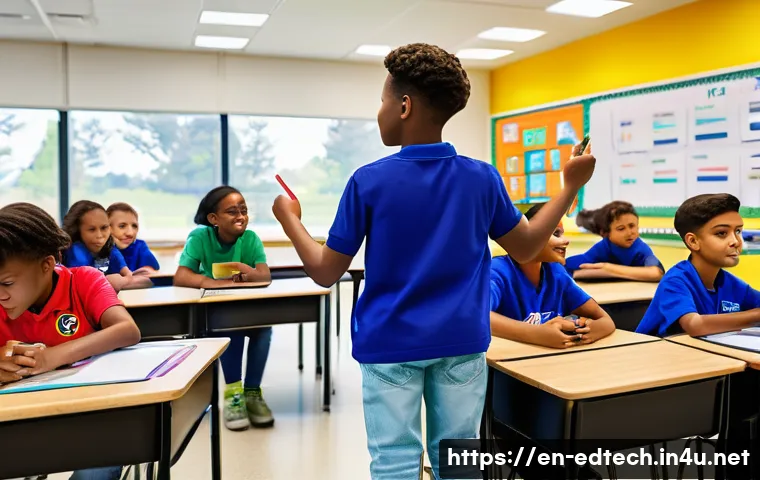
Have you ever wondered if learning could be less about staring at a screen and more about actually *doing*? I know I have! For years, we’ve talked about engaging students and making education stick, but now, it feels like we’re truly on the cusp of something revolutionary with Instructional Technology and VR-based learning content.
It’s not just a buzzword anymore; it’s a game-changer that’s transforming how we acquire new skills, from intricate surgical procedures to mastering complex engineering concepts.
I’ve personally seen how a well-designed VR module can turn abstract theories into tangible experiences, making learning so much more intuitive and, frankly, exciting.
Think about it: instead of just reading about the human heart, imagine actually stepping inside one, seeing its valves pump, and understanding its rhythm firsthand!
This isn’t science fiction; it’s the present, and it’s quickly becoming the future of education and corporate training. The potential for immersive, personalized experiences is truly mind-boggling, promising to boost engagement and retention rates in ways traditional methods simply can’t.
With the rapid advancements in AI and virtual reality headsets becoming more accessible, we’re heading towards an era where learning is not only highly effective but also incredibly fun.
I’m convinced that understanding these trends is key to unlocking tomorrow’s educational landscape. So, let’s dive deeper into this fascinating world and uncover its true impact!
The Dawn of Experiential Education: Why We’re All In
Breaking Free from Traditional Constraints
I’ve personally witnessed a seismic shift in how we learn, moving away from rote memorization and towards genuine understanding through doing. It’s less about passively absorbing facts and more about actively engaging with concepts, and frankly, it’s about time!
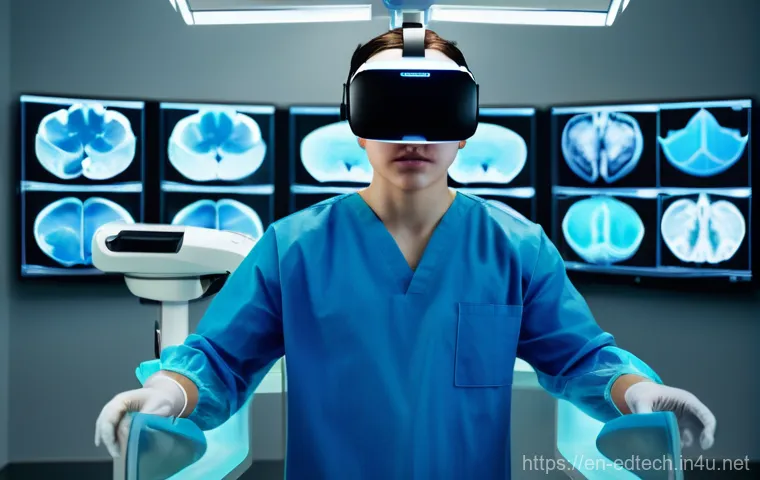
Imagine stepping into a virtual operating room to practice a complex surgical procedure before ever touching a real patient, or disassembling and reassembling a virtual engine without worrying about costly mistakes or getting your hands greasy.
This isn’t just about making learning ‘fun’ – though it absolutely is – it’s about creating a safe, repeatable environment where mastery can truly flourish.
I can tell you from my own observations that students grasp intricate ideas so much faster when they can manipulate, explore, and interact with the subject matter.
It’s like unlocking a whole new dimension of learning where abstract theories finally click into place as tangible experiences. The ability to repeat scenarios countless times until perfect, without any real-world consequences or resource waste, is a monumental advantage that traditional education simply cannot offer.
The Cognitive Leap: How Our Brains Respond to Immersion
This isn’t just a fancy technological gimmick; there’s some serious neuroscience behind why VR learning is so effective. When you’re fully immersed in a virtual world, your brain processes information in a way that’s incredibly similar to how it processes real-world experiences.
It taps into our spatial memory, engaging multiple senses and creating richer, more robust neural pathways. Think about it: our brains are wired to learn through interaction and exploration.
When you’re physically (or virtually) moving through an environment, interacting with objects, and solving problems, your brain isn’t just memorizing; it’s building a comprehensive mental model.
I’ve found that the emotional engagement that comes with truly feeling ‘present’ in a VR scenario plays a massive role in cementing that knowledge. It’s like your brain signals, “Hey, this is important and real, pay attention and remember this!” This deeper level of cognitive processing leads to significantly better retention and recall than just passively staring at a textbook or a lecture slide.
VR’s Unseen Advantages in Skill Mastery and Retention
Simulation Like Never Before: High-Stakes Training
In fields where mistakes can have catastrophic consequences, VR training is nothing short of a lifesaver. I’ve heard countless stories from professionals in medicine, aviation, and emergency services who rave about how VR has revolutionized their training protocols.
Imagine a firefighter learning how to navigate a smoke-filled, collapsing building, feeling the heat and hearing the crackle of flames, all without putting their life at actual risk.
Or a pilot rehearsing complex emergency landings again and again until every movement is second nature. The ability to practice critical skills in a hyper-realistic, yet completely safe, environment is invaluable.
Not only does it build incredible confidence, but it also allows for the refinement of motor skills and decision-making processes when the stakes are incredibly high.
For organizations, the cost savings on resources – from actual aircraft fuel to medical supplies – are staggering, making it a win-win situation for both learning outcomes and budgets.
Personalized Learning Paths and Adaptive Content
This is where VR truly shines in addressing the unique needs of every single learner. Unlike a one-size-fits-all classroom setting, VR can dynamically tailor experiences to individual students, adapting to their pace, learning style, and even their emotional state.
If a student is struggling with a particular concept, the VR module can provide additional exercises, offer different angles of explanation, or even guide them through a step-by-step walkthrough.
Conversely, if another student is rapidly grasping the material, the system can present more advanced challenges to keep them engaged and prevent boredom.
It’s like having a personal tutor who intimately understands your learning journey and knows exactly what you need, precisely when you need it. I recall trying a VR language learning application that adjusted conversations based on my responses, offering immediate feedback and varying difficulty levels.
This kind of bespoke learning experience isn’t just efficient; it’s incredibly empowering for the learner.
Crafting Engaging Learning Journeys with Tech
Gamification and Intrinsic Motivation
Let’s be honest, who doesn’t love a good challenge, a satisfying win, or the thrill of progressing through levels? VR learning content brilliantly leverages these innate human desires through gamification, transforming what might otherwise be mundane topics into captivating adventures.
It’s not just about slapping points onto an activity; it’s about designing interactive experiences that tap into our intrinsic motivation. Whether it’s earning badges for mastering a new skill, competing on a leaderboard for the highest accuracy score in a virtual lab, or embarking on an immersive quest to solve a historical mystery, these elements make learning feel less like a chore and more like a game you actually *want* to play.
I’ve personally found that when learning feels like play, my engagement skyrockets, and the information sticks so much better. It creates a positive feedback loop, encouraging continuous exploration and a genuine eagerness to acquire new knowledge.
Collaborative Virtual Spaces for Global Learning
One of the most exciting aspects of VR in education is its power to dissolve geographical barriers, enabling truly collaborative learning experiences on a global scale.
Imagine students from a bustling city in the US collaborating with peers from a remote village in India on a complex virtual engineering project, or medical professionals from different continents practicing a joint surgical procedure in a shared VR operating room.
This technology fosters a profound sense of presence and shared purpose, even when participants are thousands of miles apart. I’ve participated in a few virtual workshops myself, and the feeling of interacting with avatars of real people, sharing ideas on a virtual whiteboard, and jointly solving problems, was incredibly natural and effective.
It not only promotes teamwork and problem-solving skills but also cultivates cross-cultural understanding and broadens perspectives in ways that traditional online collaboration often struggles to achieve.
The Economic Edge: ROI and Accessibility of VR Education
Cost-Effectiveness in the Long Run
While the initial investment in VR headsets and content development might seem significant, I’ve seen countless organizations realize substantial long-term savings that make it a truly worthwhile endeavor.
Think about the massive reductions in costs associated with physical labs, expensive equipment, raw materials, and travel expenses for trainers and trainees.
For instance, a manufacturing company can train its entire workforce on a new assembly line procedure in VR, saving millions on prototyping, materials, and potential machinery downtime.
Companies are already reporting significant reductions in onboarding time and continuous professional development costs. It’s a shrewd investment in human capital that consistently delivers dividends through increased efficiency, reduced errors, and a more skilled workforce.
I’ve personally seen businesses cut their training budgets by over a third after implementing effective VR solutions – that’s a return on investment that’s hard to ignore.
| Aspect | Traditional Training | VR-Based Training |
|---|---|---|
| Material Costs | High (physical equipment, consumables) | Low (virtual simulations) |
| Travel & Logistics | Significant (instructor/trainee travel, venue rental) | Minimal (remote participation) |
| Safety Risks | Present (especially in high-stakes fields) | Virtually none (safe simulation) |
| Scalability | Limited by physical resources/instructors | High (easily replicate modules for many users) |
| Training Time | Often fixed schedules, less flexible | Flexible, self-paced, can be accelerated |
Democratizing Education: Bridging the Gap
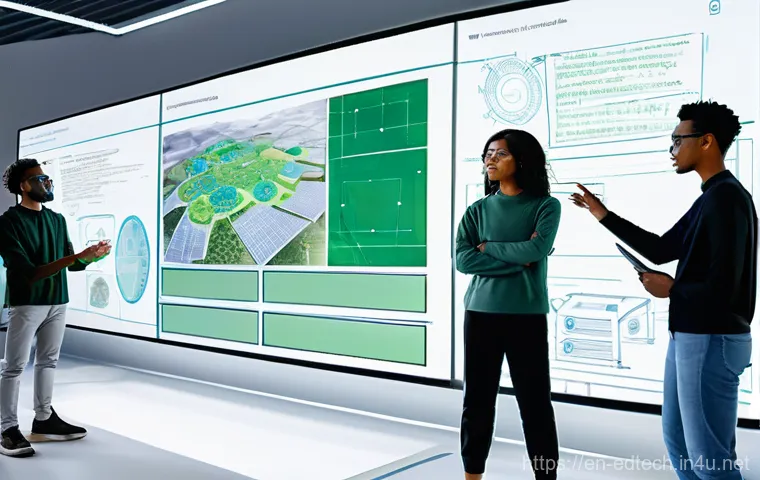
One of the most profound impacts of VR in education, in my opinion, is its potential to democratize access to high-quality learning experiences. This technology doesn’t care where you live, what your socio-economic background is, or what your physical limitations might be; it opens up a world of possibilities for everyone.
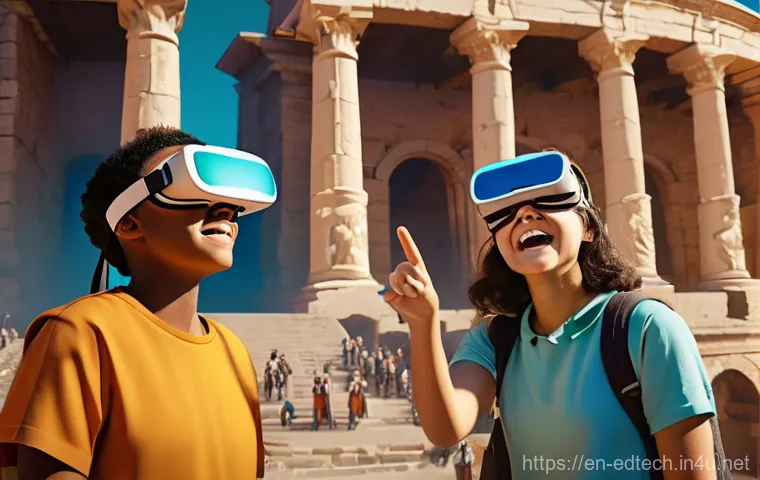
A student in a remote rural area can access the same cutting-edge virtual science lab as someone attending a prestigious university in a major city. Individuals with mobility challenges can explore ancient historical sites or practice complex hands-on skills from the comfort and safety of their own homes.
This is about leveling the playing field, ensuring that everyone has a fair shot at acquiring valuable knowledge and developing essential skills, regardless of their circumstances.
It’s truly an empowering shift that promises to make education more equitable and universally accessible than ever before, fostering talent and potential in places previously overlooked.
Navigating the Future: Challenges and Opportunities
Addressing the Digital Divide and Equity
While the promise of VR in education is undeniably exciting, we can’t ignore the very real challenge of the digital divide. For all its potential to democratize learning, VR technology still requires specific hardware and robust internet connectivity, which aren’t universally accessible.
It’s crucial that as we embrace this technological leap, we actively work to prevent it from widening existing educational inequalities. We need thoughtful strategies and collaborative efforts to ensure that access to VR headsets and high-speed internet becomes more equitable, rather than becoming another barrier for underserved communities.
I’ve seen some incredible initiatives striving to bridge this gap through community programs and affordable tech solutions, but it’s an ongoing conversation that requires our collective attention to ensure VR benefits *everyone*, not just a privileged few.
The Evolving Role of Educators and Content Creators
The integration of VR into learning isn’t about replacing the invaluable role of educators; it’s about transforming and elevating it. Teachers are shifting from being sole disseminators of information to becoming facilitators, guides, and architects of immersive learning experiences.
Their expertise in curriculum design, pedagogy, and student support becomes even more critical in this new landscape. Simultaneously, there’s a rapidly growing demand for skilled VR content creators – individuals who can blend instructional design principles with technical prowess to build engaging and effective virtual learning environments.
This evolution presents exciting new professional development opportunities for existing educators and opens up entirely new career paths for those passionate about merging technology with learning.
It’s a vibrant, new frontier where creativity and education converge.
Bringing It All Home: Practical Steps for Educators and Trainers
Starting Small: Pilot Programs and Early Adoption
You don’t have to dive headfirst into a complete overhaul of your entire learning infrastructure to embrace VR. I always advise organizations to start small, perhaps with a focused pilot program, to test the waters and gather invaluable feedback.
Identify a specific area within your curriculum or training where VR could offer a distinct advantage—maybe a particularly complex concept that students struggle with, or a high-risk procedure that’s expensive to practice physically.
Run a trial with a small group, collect data on engagement and learning outcomes, and solicit candid feedback from participants. This iterative approach allows you to build a compelling internal case for broader adoption, refine your approach, and demonstrate tangible results before committing to a larger scale.
It’s about building momentum and proving the concept step-by-step.
Investing in the Right Tools and Training
Choosing the appropriate VR hardware and software is absolutely critical for a successful implementation, and trust me, not all VR is created equal! It’s not just about getting the latest gadget; it’s about selecting platforms and content that genuinely align with your learning objectives and audience.
Beyond the technology itself, equally important is providing adequate training and ongoing support for both educators and learners. Instructors need to feel comfortable integrating VR into their teaching methods, and students need to understand how to navigate and interact within these new virtual environments.
Proper training can significantly reduce frustration and accelerate adoption, ensuring that the technology serves as an enabler rather than a barrier.
Remember, the most advanced VR system is only as effective as the people who use it, and investing in their capabilities is just as crucial as investing in the tech itself.
Closing Thoughts
Well, folks, what a whirlwind tour we’ve had through the incredibly exciting landscape of VR in education! It’s become crystal clear to me that this isn’t just some fleeting tech fad, but a truly transformative force that’s already reshaping how we learn, train, and connect with information on a profound level. I’m genuinely buzzing with excitement about the sheer possibilities it unlocks – for hyper-personalized learning journeys, for mastering incredibly complex skills in a completely safe, repeatable environment, and for truly democratizing access to top-tier knowledge worldwide. This technology isn’t just about cool gadgets; it’s about empowering every single learner, no matter where they are, to reach their absolute fullest potential and genuinely fall in love with the process of discovery.
Useful Information to Know
1. When you’re diving into the world of VR for learning, it’s super important to remember that the magic isn’t just in the sleek headset you put on. Seriously, I’ve seen organizations get so caught up in choosing the latest hardware that they forget about the heart of it all: the content! High-quality, engaging, and well-designed immersive content is what truly transforms an ordinary lesson into an unforgettable experience. A fantastic VR device with dull, uninspired educational modules will just leave learners feeling disconnected, so prioritize content that’s pedagogically sound, genuinely interactive, and specifically tailored to your learning goals. It’s an investment in the entire learning ecosystem, not just a gadget, and the impact of a truly great simulation on a learner’s understanding is something you have to see to believe.
2. My advice for anyone looking to implement VR in an educational setting is to start small with pilot programs. Seriously, don’t try to conquer the whole mountain in one go! Launching VR across an entire institution or company from day one can be incredibly daunting, not to mention costly, if you haven’t had a chance to iron out all the potential wrinkles. Instead, pick a specific course, a challenging training module, or even just a particular concept that students often struggle with, and run a focused trial. Gather concrete data on student engagement, track learning outcomes, and most importantly, listen to the candid feedback from participants. This iterative approach allows you to build a compelling internal case for broader adoption, refine your strategies based on real-world insights, and minimize potential missteps before you scale up. It’s a smart, strategic way to embrace innovation without unnecessary risk.
3. Let’s be clear about something crucial: VR technology isn’t here to replace the invaluable role of human educators; it’s here to amplify and enhance their capabilities. Think of VR as an incredibly powerful new tool in a teacher’s ever-expanding toolkit, enabling them to craft richer, more interactive lessons and ultimately free up more precious time for what truly matters – personalized mentorship, one-on-one guidance, and fostering deeper connections with students. The role of the educator evolves into a dynamic facilitator of these immersive experiences, guiding students through virtual worlds, sparking lively discussions, and providing essential context that no amount of technology alone could ever deliver. It’s about creating a powerful synergy between human ingenuity and cutting-edge technological advancement for the ultimate benefit of the learner.
4. While the promise of VR in democratizing education is incredibly exciting, we absolutely cannot ignore the very real challenge of accessibility, often referred to as the digital divide. For all its potential to level the playing field, VR technology still requires specific hardware and robust, high-speed internet connectivity, which aren’t universally available to everyone just yet. It’s our collective responsibility to actively seek out and support initiatives and grants that are specifically focused on bridging this gap. Look into government programs, educational grants, and even potential corporate partnerships that aim to make VR technology and reliable internet access more widely available. It’s about ensuring that these truly transformative educational tools reach every community, every student, and every individual who can benefit from them, fostering genuine equity in learning rather than exacerbating existing disparities.
5. From my own experience with tech rollouts, one of the most critical, yet often overlooked, factors for success is investing adequately in ongoing training and comprehensive technical support for both students and instructors. Throwing new technology at people without proper guidance is a recipe for frustration and, ultimately, underutilization. Think about it: instructors need to feel comfortable and confident integrating VR into their teaching methods, and students need to understand how to navigate and interact effectively within these new virtual environments. Invest in thorough workshops, develop easy-to-access troubleshooting guides, and ensure there’s a dedicated support team ready to assist. A smooth, intuitive user experience is absolutely paramount for achieving sustained engagement and successful, seamless integration into the learning process. It truly is as important as the tech itself!
Key Takeaways
Diving headfirst into the world of Virtual Reality for education has been nothing short of a game-changer, fundamentally reshaping how we approach learning and sophisticated skill development. What stands out most vividly from my personal observations and countless discussions is VR’s incredible ability to provide truly immersive, hands-on learning environments that traditional methods simply can’t match. We’re truly witnessing a paradigm shift from passive absorption to active, experiential engagement, where abstract and complex concepts become wonderfully tangible, and practical skills can be honed to perfection in a completely risk-free setting. The immediate, palpable benefits are undeniably clear: we’re seeing significantly improved knowledge retention thanks to multi-sensory engagement, accelerated skill mastery through unlimited, consequence-free practice sessions, and a remarkable increase in learner motivation, often brilliantly driven by clever gamification and genuinely personalized learning pathways. Beyond the individual learner, VR is a monumental leap forward for institutions and companies alike, offering remarkable cost efficiencies in training by drastically reducing the need for expensive physical resources and extensive travel, while simultaneously providing unprecedented scalability. Furthermore, its profound potential to democratize access to truly high-quality education, effectively bridging geographical and socio-economic divides, is nothing short of genuinely transformative. This isn’t just a fleeting technological trend; it’s a powerful, rapidly evolving tool that absolutely demands our collective attention, promising a future where learning is inherently more accessible, dramatically more effective, and profoundly more engaging for absolutely everyone.
Frequently Asked Questions (FAQ) 📖
Q: Okay, so VR learning sounds amazing, but what really sets it apart from a textbook or a regular video?
A: Oh, believe me, this is the question I hear most often, and it’s a great one! Think of it this way: traditional learning, like reading a textbook or watching a video, is often a one-way street.
You’re receiving information, and that’s incredibly valuable, but it’s largely passive. With VR-based learning, you’re not just observing; you’re doing.
I’ve personally experienced how it can transform abstract concepts into tangible, memorable experiences. Instead of just reading about the human circulatory system, imagine literally shrinking down and exploring the heart’s chambers, watching the valves open and close, or even tracing the path of blood cells!
That active engagement, where you’re manipulating objects, making decisions, and seeing immediate consequences in a safe virtual space, is what truly makes the difference.
It’s that feeling of “being there” that makes learning stick so much better, boosts confidence, and honestly, makes it a lot more fun than just flipping pages.
It’s like going from watching a cooking show to actually being in the kitchen and whipping up the dish yourself!
Q: This all sounds fantastic, but is VR learning actually accessible for everyone, or is it just for universities and huge corporations with massive budgets?
A: That’s a totally fair concern, and it’s one I had myself when VR first started making waves. For a long time, it felt like this futuristic tech reserved only for the big players, right?
But what I’ve witnessed over the past few years is a massive shift! While some high-end, specialized setups can indeed be pricey, the landscape is rapidly changing.
We’re seeing more and more affordable, standalone VR headsets hit the market, making it far more accessible for individual learners, small businesses, and even K-12 classrooms.
Think of devices like the Meta Quest – they’re powerful enough to deliver incredible learning experiences without needing an expensive super-computer.
Beyond the hardware, the rise of accessible content platforms, some even offering free resources, means the barrier to entry is continuously dropping.
It’s becoming less about a huge initial investment and more about smart integration. Plus, the long-term benefits, like reduced travel costs for training or the ability to practice dangerous procedures without real-world risks, often lead to significant savings down the line.
It’s truly democratizing “doing” in education.
Q: I’m totally convinced! But as an educator, learner, or business owner, where do I even begin with bringing VR into my learning journey or organization?
A: I love that enthusiasm – that’s exactly the spirit we need to embrace this revolution! Getting started might seem daunting, but it’s actually more straightforward than you might think.
My best advice, from seeing countless successful implementations, is to start small. Don’t try to overhaul everything at once! First, think about your specific learning challenge or goal.
Where do you feel traditional methods fall short? Is it grasping complex concepts, practicing critical skills, or boosting engagement? Once you’ve identified that pain point, look for existing VR content or platforms that address it.
There are so many incredible educational VR apps out there now for everything from science and history to language learning and corporate safety training.
For educators, I’d suggest piloting a single VR lesson with a small group of students. For businesses, maybe try a VR module for a specific aspect of employee onboarding.
Focus on gathering feedback, understanding what works, and then gradually scale up. You don’t necessarily need a custom-built solution right away. Off-the-shelf headsets and readily available content can be your best friends for dipping your toes in.
The key is to experiment, learn from your experiences, and most importantly, remember that VR is a tool to enhance learning, not replace great teaching or mentorship.
Jump in, you’ll be amazed at the possibilities!